
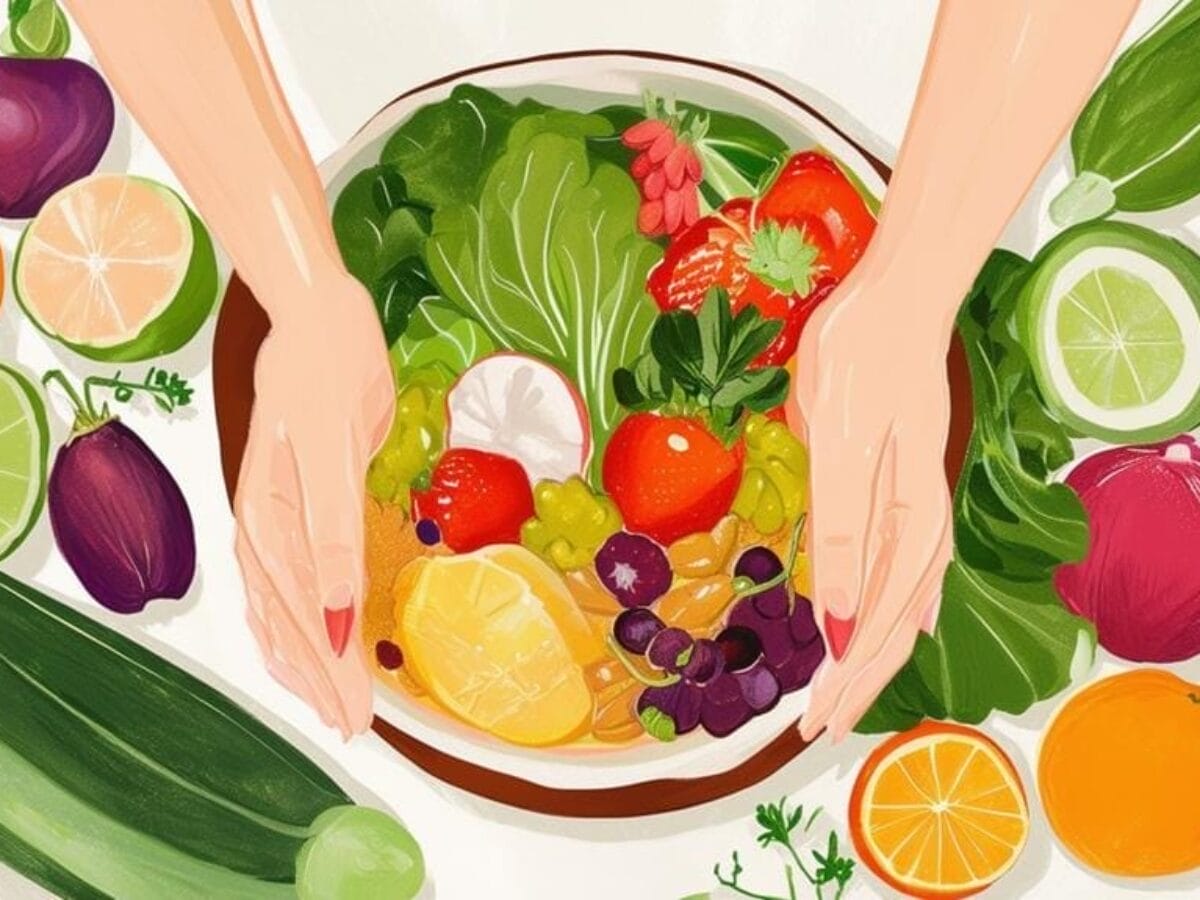
If you have Polycystic Ovary Syndrome (PCOS), incorporating tailored nutrition strategies can help alleviate symptoms and improve overall health outcomes. Focus on eating whole, unprocessed foods to manage insulin resistance, which affects 50%-75% of women with PCOS. Include high-fiber foods, lean proteins, and healthy fats, such as fatty fish and nuts, to improve blood sugar control and support hormone balance. Additionally, prioritize low glycemic carbs, like legumes and whole grains, and hydrate with low sugar drinks, such as unsweetened beverages or seltzer with a splash of juice. By implementing these strategies, you can set the stage for more effective symptom management and overall wellness. For further support, consider working with a registered dietitian who specializes in PCOS to develop a personalized meal plan and provide ongoing guidance. They can offer valuable insight and healthy eating tips to keep you on track and address any specific dietary concerns related to PCOS. In addition to nutrition, regular physical activity and stress management techniques can also contribute to improved symptom management and overall well-being. Remember, small changes in your daily routine can make a big difference in managing PCOS and promoting a healthier lifestyle.
Key Takeaway
- Focus on whole, unprocessed foods like fruits, vegetables, and whole grains to manage insulin resistance and improve hormone balance.
- Incorporate lean proteins and healthy fats, such as fatty fish and nuts, to support metabolic health and reduce PCOS symptoms.
- Eat low glycemic carbs like quinoa, broccoli, and lentils to improve insulin sensitivity and manage blood sugar levels.
- Hydrate with low sugar drinks like unsweetened tea, coffee, and seltzer with a splash of juice to stabilize insulin levels and optimize metabolic function.
- Aim for a daily intake of at least 25 grams of high-fiber foods to improve blood sugar control and support overall health improvements.
Eat Whole and Unprocessed Foods
For many women with PCOS, managing insulin resistance is a top priority, and a key strategy for achieving this is to focus on whole and unprocessed foods. Consuming these foods can help you manage insulin resistance, a common issue affecting 50% to 75% of women with PCOS. Whole, unprocessed foods, such as fresh fruits and vegetables, provide essential nutrients and fiber, which aid in digestion and hormone balance. To incorporate more whole foods into your diet, consider meal prepping on the weekends or making superfood smoothies with frozen berries and spinach. In addition to focusing on whole and unprocessed foods, it’s important to explore various nutrition strategies for PCOS management that cater to individual preferences and lifestyles. Incorporating healthy fats, such as avocados and nuts, along with adequate protein sources can further enhance your overall dietary approach. Additionally, staying hydrated and monitoring portion sizes can play a significant role in managing insulin resistance effectively.
Aiming to include a variety of whole foods in your diet can provide numerous benefits. High-fiber foods, for example, can improve blood sugar control and reduce cholesterol levels, with a recommended daily intake of at least 25 grams. Additionally, incorporating lean proteins and healthy fats from whole sources, such as fatty fish and nuts, supports metabolic health and provides anti-inflammatory benefits. By prioritizing whole and unprocessed foods, you can take a proactive approach to managing your PCOS symptoms and improving your overall health. By making informed dietary choices, you can reduce your risk of insulin resistance and related health issues. Moreover, engaging in healthy meal prep benefits for women by planning and preparing balanced meals in advance can further enhance your dietary goals. This practice enables better portion control, reduces the temptation of unhealthy snacking, and ensures you have quick access to nutritious options throughout the week. Ultimately, establishing a routine around meal prep fosters consistency, making it easier to adhere to a healthy eating plan that supports your long-term wellness.
Focus on Low Glycemic Carbs
By shifting your focus to low glycemic carbs, you can effectively manage your PCOS symptoms and improve insulin sensitivity. Low GI carbohydrates release glucose more slowly into the bloodstream, reducing insulin spikes and mitigating symptoms. Incorporating low GI carbs into your diet can help you manage weight and metabolic health.
To make the most of low GI carbs, aim for a balanced diet with approximately 40% of daily calories from these sources. Substitute refined carbohydrates with low GI alternatives, such as legumes, non-starchy vegetables, and whole grains like quinoa and barley.
| Low GI Food | GI Value | Benefits |
|---|---|---|
| Quinoa | 35 | Rich in protein and fiber |
| Broccoli | 10 | High in vitamins and antioxidants |
| Lentils | 29 | Good source of protein and fiber |
| Whole Wheat Bread | 30 | Rich in fiber and nutrients |
Incorporate low GI snacks and meal planning into your daily routine to maintain stable blood sugar levels and improve insulin sensitivity. By making informed choices, you can take control of your PCOS symptoms and improve your overall health. A well-planned diet with low GI carbs can lead to improved dietary satisfaction and long-term adherence to healthier eating patterns.
Hydrate With Low Sugar Drinks

Regularly drinking enough water is essential for managing PCOS symptoms and supporting overall metabolic function. As a woman with PCOS, you need to prioritize hydration to aid in regulating your metabolism and alleviating symptoms. Unsweetened beverages like coffee, tea, and herbal teas are excellent alternatives to sugary drinks, which can cause insulin spikes and worsen health risks associated with PCOS.
Incorporating hydration strategies into your daily routine can make a significant difference in your overall health. Opt for low to no sugar options when selecting beverages, such as seltzer combined with a splash of fruit juice, to maintain stable insulin levels and assist in weight management. Evidence suggests that hydration can influence metabolic health, making it vital to regularly drink water and low sugar options to optimize health outcomes in PCOS patients. By choosing low sugar drinks and staying hydrated, you can take a proactive approach to managing your PCOS symptoms and supporting your overall well-being. Make hydration a priority by incorporating healthy, low sugar drinks into your daily routine, and reap the benefits of improved metabolic function and reduced symptoms.
Frequently Asked Questions
What Is the Nutritional Advice for PCOS?
You’ll want to focus on whole, unprocessed foods like high-fiber veggies, lean proteins, and healthy fats, which can help manage insulin levels and improve metabolic health; also, choose foods low on the glycemic index.
What Is the Nutritional Therapy for PCOS?
You’ll focus on managing insulin resistance through low-glycemic index foods, and receive personalized supplement recommendations and meal planning guidance to alleviate symptoms, while working closely with healthcare professionals to guarantee a safe and effective nutritional therapy plan.
How to Reduce PCOS Symptoms?
You can reduce PCOS symptoms by incorporating regular exercise, which has a significant impact on insulin sensitivity and hormone regulation, and focusing on weight management through a balanced diet and healthy lifestyle habits. In addition, incorporating stress management techniques such as yoga or meditation can further alleviate symptoms associated with PCOS. It’s also beneficial to explore hmpv health protection strategies that prioritize holistic wellness and promote overall reproductive health. By taking a comprehensive approach, individuals can empower themselves to manage PCOS more effectively and enhance their quality of life. Additionally, incorporating the best collagen peptides for women can support skin health and improve overall well-being, which may be beneficial for those experiencing PCOS-related symptoms. Staying hydrated and ensuring adequate protein intake are also essential components of a supportive diet. By making informed nutritional choices, individuals can foster a healthier body and mind, further mitigating the impact of PCOS.
How to Balance Hormones in PCOS?
To balance hormones in PCOS, you’ll want to focus on addressing hormonal imbalance by boosting insulin sensitivity through healthy eating and regular exercise, which can help regulate your body’s hormonal fluctuations and alleviate symptoms safely. Incorporating nutrient-rich foods such as whole grains, lean proteins, and plenty of vegetables can further support hormone regulation. Additionally, integrating collagen into your diet may promote collagen benefits for skin firmness, enhancing your skin’s overall appearance while you work on balancing your hormones. Staying hydrated and managing stress through mindfulness practices can also contribute to better hormonal health and improved well-being.