
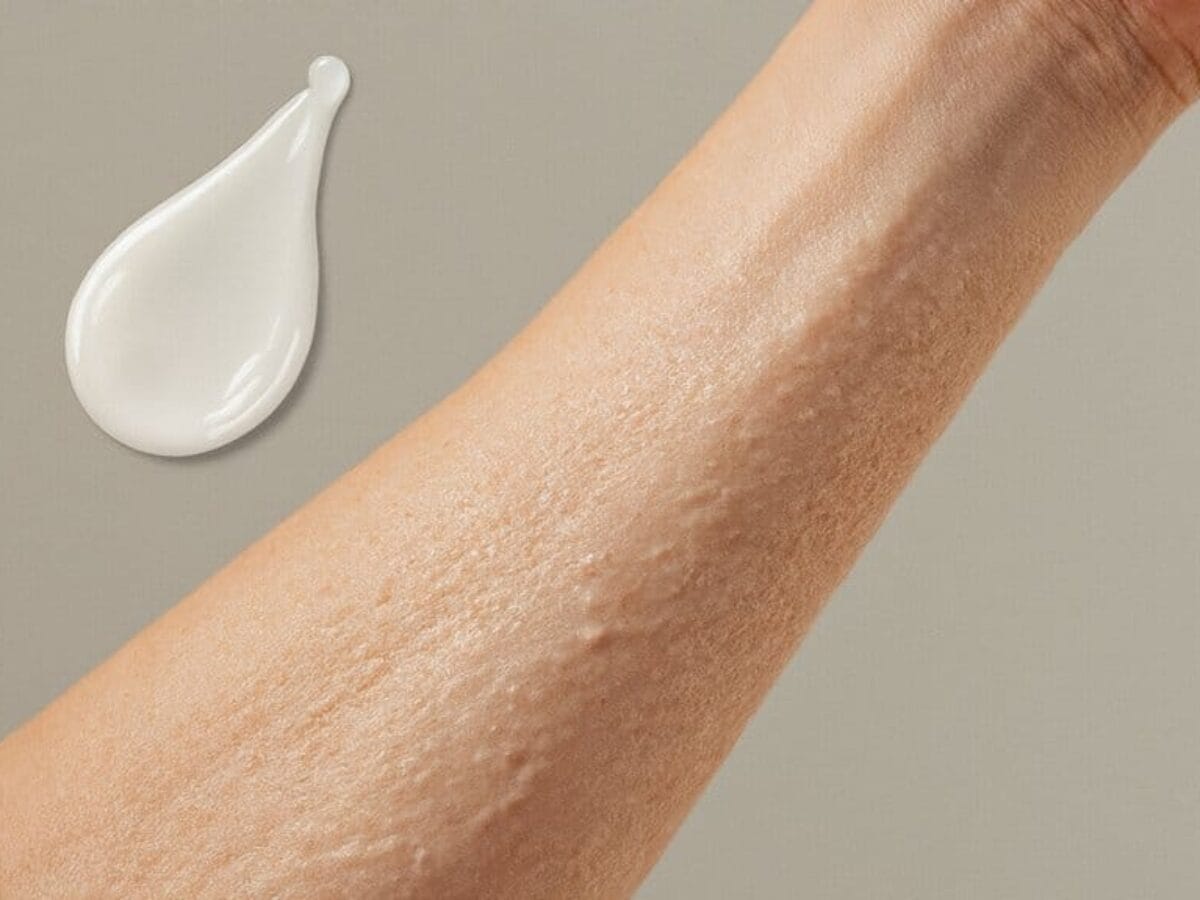
If you’ve ever noticed your skin feeling tight or looking a bit dull, you might be dealing with dry skin . It’s not just about aesthetics; recognizing the signs can help you maintain your skin’s health. From rough patches to itchy sensations, these symptoms can really disrupt your day. Curious about what to look for and how to tackle it? Let’s explore those seven telltale signs that could change your skincare routine for the better.
কী টেকওয়ে
- Hydrate your skin daily: Incorporate a rich moisturizer into your skincare routine to lock in moisture and combat rough, flaky patches. Don’t forget to apply it right after showering for maximum benefits!
- Embrace a nourishing diet: Fuel your body with foods rich in omega-3 fatty acids and antioxidants to support skin health from the inside out. Think avocados, nuts, and leafy greens for a glow that shines!
- Soothe the itch: If you’re experiencing persistent itching, try using a gentle, hydrating body wash and limit hot showers to prevent further dryness. Your skin will thank you for the tender care!
- Monitor for cracks: Keep an eye out for any cracks or fissures—these can lead to pain and infection. If you notice them, treat them promptly with a healing ointment and consult a dermatologist if needed.
- Nurture with natural remedies: Consider adding natural ingredients like aloe vera or coconut oil to your skincare routine for their moisturizing and soothing properties. Your skin deserves the best care nature has to offer!
- Listen to your skin: Pay attention to any red or irritated patches, as they may require more focused attention. Keep a skincare journal to track changes and reactions—this will empower you to tailor your routine for optimal wellness!
Key Physical Signs of Dry Skin
When it comes to identifying dry skin , you’ll often notice a few key physical signs that can’t be ignored. Your skin might feel rough, flaky, or scaly, almost like a lizard’s! Additionally, using luxury skin moisturizer can help provide the hydration your skin craves.
Identifying dry skin? Look for rough, flaky patches that feel almost lizard-like!
You’ll also see fine lines এবং wrinkles becoming more pronounced due to dehydration. Keep an eye out for cracks or fissures, which can bleed if they get severe.
After a shower, your skin may feel tight or stiff, making you want to reach for lotion immediately.
Finally, if your skin appears red or irritated, that’s a clear signal of excessive dryness. উপরন্তু, ব্যবহার করে moisturizers for dry skin can significantly help in soothing and restoring your skin’s hydration levels.
Recognizing these signs early can help you take action and restore your skin’s health before it becomes a bigger issue—no one wants that!
Sensory Symptoms Associated With Dry Skin
As you go about your day, you might find that dry skin isn’t just a visual concern; it brings a host of sensory symptoms that can be downright bothersome. You may experience persistent itching, a sensation that can interfere with your focus and sleep. Rawness or burning in cracked areas can make you feel like your skin’s on fire! Additionally, tightness and discomfort can intensify in dry environments. Incorporating hydrating facial masks into your skincare routine can provide much-needed relief and moisture. Using a moisturizing body lotion regularly helps to lock in hydration and soothe dry skin effectively.
| Sensory Symptoms | বর্ণনা |
|---|---|
| Persistent Itching | Ranges from mild annoyance to severe discomfort |
| Rawness or Burning | Especially in cracked, dry areas |
| Skin Tightness | Feels uncomfortable, particularly in cold weather |
| Pain or Tenderness | Common around fissures and cracks |
Recognizing these symptoms is the first step to finding relief!
Visual and Structural Changes in Dry Skin
Dry skin doesn’t just feel uncomfortable; it can also lead to noticeable visual and structural changes that are hard to ignore.
You might notice your skin becoming rough, flaky, or scaly due to a loss of moisture. Those fine lines এবং wrinkles ? They’ll become more pronounced as your skin loses elasticity.
You may even see cracks or fissures forming, which can be quite painful if left untreated. Your skin might feel tight, especially after a shower, and can look red or irritated.
Areas like your hands and legs are often the most affected. Additionally, using luxury dry skin products can significantly improve the overall appearance and health of your skin.
Underlying Causes and Risk Factors
যখন এটি আসে dry skin , several underlying causes and risk factors can play a significant role in your skin’s health.
Environmental factors like low humidity or harsh soaps can wreak havoc on your skin, while age often means your skin’s moisture-retaining abilities decline.
Plus, if your job involves frequent exposure to water or chemicals, you might find your skin battling dryness more than others.
Environmental Factors Influence
If you’ve ever wondered why your skin feels like sandpaper in the winter or after a long day in the sun, environmental factors play a huge role in that uncomfortable sensation.
Cold air, low humidity, and blazing heat can sap moisture right out of your skin, leaving it dry and flaky. Even indoor heating and air conditioning can contribute to that tight feeling you dread.
Frequent exposure to hot water, especially during long showers, can strip your skin of its natural oils, making matters worse. Additionally, harsh soaps and detergents may further disrupt your skin’s barrier.
Age and Hydration Decline
As you age, your skin undergoes significant changes that can leave it feeling less hydrated and more susceptible to dryness. The decline in your skin’s natural ability to retain moisture is a key factor here.
Your skin produces fewer lipids, which are essential for maintaining hydration. This means you might notice more fine lines, a rough texture, and that annoying tightness after a shower.
Environmental factors also play a role—think about those colder, drier months when your skin seems to rebel. Combine this with your habits, like hot showers or using harsh soaps, and it’s a recipe for dryness.
Embracing a ভাল ময়েশ্চারাইজার can be your best friend as you navigate these changes!
Occupational Risk Exposure
While aging naturally increases your skin’s vulnerability to dryness, your occupation can considerably heighten this risk. Certain jobs expose you to conditions that can sap your skin’s moisture. For instance, if you work with water or harsh chemicals, you might notice your skin feeling drier than usual.
Here’s a look at common occupations that pose a risk:
| Occupation | Risk Factor |
|---|---|
| Hairdressers | Repeated wetting and chemicals |
| Healthcare Workers | Frequent handwashing and sanitizers |
| Construction Workers | Harsh weather conditions |
| Chefs | Constant exposure to water |
| Factory Workers | Exposure to irritants and chemicals |
Being aware of these risks can help you take proactive steps to protect your skin. After all, healthy skin is happy skin!
Diagnostic Indicators for Dry Skin
When you’re dealing with dry skin , recognizing the diagnostic indicators can be your first step toward relief and recovery.
Here are three key signs to look out for:
- Flaky or Scaly Texture: Your skin may appear rough and uneven, signaling a lack of moisture.
- Persistent Itching: If you find yourself scratching more than usual, it could be a sign that your skin’s thirst isn’t being quenched.
- Tightness After Water Exposure: Feeling stiff or tight after showering? That’s your skin crying out for hydration.
Understanding these indicators can help you distinguish dry skin from similar conditions, ensuring you get the right care.
Potential Complications and Severity Signs
আপনি যদি লড়াই করছেন dry skin , it’s essential to be aware of potential complications that could arise from neglecting this condition. Ignoring severe dryness can lead to painful sores and bleeding fissures, making even simple tasks uncomfortable.
You might also find that persistent itching results in scratches and scarring, compromising your skin’s integrity. Additionally, cracked skin creates an entry point for germs, increasing the risk of infections characterized by swelling, crusting, and pus.
Chronic dryness can even escalate to skin diseases like asteatotic eczema. So, don’t brush off those signs! Taking action early can help you avoid these complications and keep your skin healthy and happy.
When to Seek Medical Advice
If you’re experiencing severe pain or discomfort from your dry skin, it’s time to get help.
Persistent itching or a rash that just won’t quit can be more than just annoying; it could signal a bigger issue.
And don’t ignore any signs of infection like swelling or pus—those are your skin’s way of waving a red flag and saying, “I need some medical attention!”
Severe Pain or Discomfort
Severe pain or discomfort from dry skin can feel like a relentless nagging, demanding your attention. You shouldn’t ignore it!
Here are three signs that it’s time to seek medical advice:
- Cracks or fissures: If your skin has deep cracks that bleed, it’s a clear sign that you need professional help.
- Unmanageable pain: If the discomfort interferes with your daily activities or sleep, don’t hesitate to reach out to a healthcare provider.
- Signs of infection: If you notice swelling, pus, or crusting, those could indicate an infection requiring immediate treatment.
Listening to your body is essential!
Don’t let dry skin steal your joy—get the care you deserve!
Persistent Itching or Rash
Persistent itching or a rash can be more than just an annoyance; it’s your body’s way of signaling that something’s not right.
If you find yourself scratching more than usual or dealing with an ongoing rash, it’s time to pay attention. These symptoms can indicate excessive dryness or even dermatitis, which may require a bit of TLC.
Don’t brush it off! When itching disrupts your sleep or daily activities, it’s wise to seek medical advice. A healthcare provider can help identify the underlying cause and suggest effective treatments.
Signs of Infection
When your skin starts showing signs of infection, it’s crucial to act swiftly, as ignoring these symptoms can lead to more serious health issues.
Here are some key signs to watch for:
- Increased redness or swelling around the affected area, indicating inflammation.
- Pus or yellow crusting may appear, suggesting a bacterial infection.
- Fever or chills can accompany skin infections, signaling your body’s response to a more serious issue.
If you notice these symptoms, don’t hesitate to seek medical advice.
Early intervention can prevent complications and help you get back to your best self.
প্রায়শই জিজ্ঞাসিত প্রশ্নাবলী
How Can I Prevent Dry Skin During Winter Months?
To prevent dry skin during winter, moisturize daily, use a humidifier, limit hot showers, and wear gloves outdoors. Stay hydrated and choose gentle, fragrance-free cleansers to maintain your skin’s natural moisture barrier.
Are There Specific Skincare Products Recommended for Dry Skin?
You should look for thick creams or ointments containing glycerin, hyaluronic acid, or ceramides. Avoid alcohol-based products, and consider using a gentle cleanser to maintain moisture while nourishing your skin effectively.
Can Diet Influence the Condition of Dry Skin?
Yes, your diet can influence dry skin. Consuming healthy fats, vitamins, and antioxidants helps maintain skin hydration. Staying hydrated and avoiding excessive sugar or processed foods can also improve your skin’s overall condition and appearance.
Is Dry Skin More Common in Certain Age Groups?
Yes, dry skin tends to be more common in older adults. As you age, your skin loses moisture and natural oils, making it more susceptible to dryness. Younger individuals can still experience it, but less frequently.
How Does Hydration Affect Skin Health?
Hydration directly influences your skin health by maintaining moisture levels, enhancing elasticity, and preventing dryness. When you stay hydrated, your skin looks plumper, feels softer, and reduces the appearance of fine lines and irritation.
চূড়ান্ত চিন্তাভাবনা
To sum up, recognizing the signs of dry skin early can make all the difference in maintaining your skin’s health. From rough patches to persistent itching, these symptoms signal the need for action. By understanding the underlying causes and knowing when to seek help, you can prevent complications and keep your skin glowing. So, don’t ignore those telltale signs—your skin deserves the best care! হাইড্রেটেড থাকুন and keep that moisture locked in for a happier, healthier you!