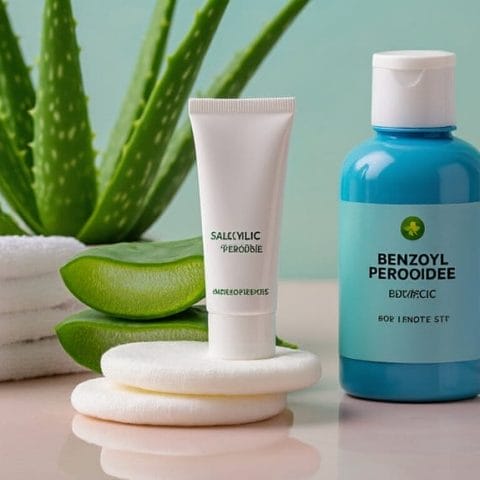
When it comes to benzoyl peroxide, you’ve probably heard mixed reviews about its effects on skin. Does it really bleach your skin, or is it just a myth? The truth is, while it doesn’t bleach in the conventional sense, it can cause temporary lightening due to dryness and irritation. Curious about how this works and what you can do to keep your skin healthy during treatment? Let’s unpack the details together.
Key Takeaway
- Stay Informed: Understand that benzoyl peroxide may cause temporary skin lightening due to dryness, not actual pigment loss. This knowledge empowers you to make informed choices about your skincare routine.
- Nurture Your Skin: If you have sensitive or darker skin, be extra gentle. Regularly moisturize your skin to counteract dryness and help maintain your natural glow.
- Adjust Your Routine: Listen to your skin! If you experience irritation, consider reducing the frequency of benzoyl peroxide use to find a balance that works for you.
- Shield Your Skin: Protect yourself from sun exposure every day with a broad-spectrum sunscreen. This simple step can help prevent increased sensitivity and keep your skin looking its best.
- Embrace Self-Care: Prioritize your skincare journey by incorporating soothing products and treatments that cater to your unique skin type, enhancing your overall wellness and confidence.
Understanding Benzoyl Peroxide and Its Effects on Skin
Benzoyl peroxide is like a superhero for your skin, swooping in to tackle acne with its powerful bactericidal properties. It is one of the most widely used benzoyl peroxide skin care treatments available.
Benzoyl peroxide acts as your skin’s superhero, combating acne with its mighty bacteria-fighting abilities.
It’s not just about fighting breakouts; it helps reduce the bacteria that cause them, making your skin feel fresher. You might notice some dryness or peeling as it works, which can temporarily make your skin look lighter or patchy—don’t worry, that’s not true bleaching!
While it’s effective, using it properly is key; too much can lead to irritation, especially for sensitive skin. Remember to introduce it gradually and keep your skin moisturized.
And don’t forget your sunscreen! Benzoyl peroxide can make your skin more sensitive to UV rays, so protect that superhero skin of yours! Additionally, incorporating benzoyl peroxide skincare products can enhance your treatment routine for better results.
Temporary Skin Lightening: What to Expect
When using benzoyl peroxide, you might notice some temporary skin lightening due to dryness or mild irritation, which can make your skin look a bit lighter or patchy. Don’t worry, though—these effects are usually mild and reversible once you adjust your usage. Just keep in mind that this isn’t true bleaching; it’s more like your skin’s way of reacting to the treatment! Additionally, acne treatment products can help minimize irritation and support your skin’s recovery process. To further aid in your skin’s health, consider incorporating effective benzoyl peroxide products that can enhance your treatment regimen.
Causes of Temporary Lightening
While many users hope for clear skin, temporary lightening from benzoyl peroxide can sometimes surprise you. This lightening happens mainly due to dryness and peeling, which can give your skin a lighter or patchy appearance.
It’s not about losing pigment; it’s just that irritation can make the surface look different. In rare cases, particularly if you have sensitive or darker skin, you might notice lighter spots from overuse or irritation.
But don’t worry—these changes are usually mild and temporary! Once you cut back on use or stop, your skin tone should return to normal.
Just remember, it’s not actual bleaching, so keep your expectations in check while you chase that clearer complexion!
Skin Reaction Variability
Understanding how your skin might react to benzoyl peroxide can help you set realistic expectations.
While it won’t chemically bleach your skin, you may notice some temporary lightening due to dryness or minor irritation.
Here’s what you can expect:
- Your skin might feel tighter or drier, leading to a lighter appearance.
- Peeling could create a patchy look that feels alarming at first.
- If you have sensitive skin, you may experience more noticeable changes.
Reversibility of Effects
Although temporary skin lightening can be a concern for some users of benzoyl peroxide, rest assured that these effects are typically mild and reversible.
You might notice your skin appearing lighter or patchy due to dryness and peeling, but this isn’t true pigment loss—just a temporary reaction. If you reduce or stop use, your skin tone will likely return to normal.
While rare cases of post-inflammatory hypopigmentation can occur, especially in sensitive skin types, it’s usually nothing to worry about.
Just keep an eye on your skin’s reaction, and remember, hydration is key!
With proper care and attention, any lightening effects will fade away, letting your natural beauty shine through once again.
The Mechanism Behind Skin Color Changes
When you use benzoyl peroxide, its powerful oxidizing properties can lead to unexpected skin color changes.
While it doesn’t chemically bleach your skin pigment, irritation from the product can cause temporary lightening or patchy appearances. Incorporating effective benzoyl peroxide treatment options can help minimize these reactions and enhance your skin’s overall health.
Understanding how these reactions occur helps you manage your skin’s response and keep your glow intact!
Oxidizing Properties Explained
Benzoyl peroxide’s oxidizing properties are fascinating, especially when you consider how they interact with skin and hair.
While it doesn’t bleach skin pigment, its powerful oxidizing action can lead to temporary changes that catch you off guard. You might notice:
- Skin appearing lighter or patchy due to dryness and peeling.
- Lighter patches on your hair if the product accidentally gets too close.
- A sense of confusion when you see these changes, wondering if it’s permanent.
These effects are usually mild, temporary, and reversible, giving you peace of mind.
Skin Irritation Effects
While using benzoyl peroxide can be a game-changer for acne treatment, it’s important to understand how skin irritation might affect your complexion.
When you apply this powerful ingredient, dryness and peeling can occur, which may temporarily lighten your skin or create a patchy appearance.
Don’t panic! This isn’t true bleaching but rather a reaction to irritation.
In rare cases, especially for those with sensitive or darker skin types, you might notice lighter spots due to post-inflammatory hypopigmentation.
Luckily, these effects are usually mild, temporary, and reversible once you adjust your usage.
Common Side Effects of Benzoyl Peroxide
Many users find that incorporating benzoyl peroxide into their skincare routine can come with a few unwelcome companions. While it’s a powerful acne-fighter, you might experience some side effects that can be quite bothersome.
- Dryness and peeling that leave your skin feeling tight.
- Redness and irritation that can make you look like a lobster.
- Itching that’s hard to ignore, even during a movie night!
These effects are temporary, but they can be frustrating. Remember, everyone’s skin reacts differently, so it’s essential to start slowly and listen to your skin.
Moisturizing regularly can help ease these side effects, allowing you to enjoy clearer skin without the discomfort. Keep your spirits up; clearer days are ahead!
Precautions for Safe Use of Benzoyl Peroxide
To enjoy the benefits of benzoyl peroxide without the pesky side effects, taking a few precautions can make all the difference. Start by using a lower concentration, especially if you’re new to it. Always wash your hands after applying to avoid unintended bleaching! Here’s a quick table to keep you on track:
| Precaution | Why It Matters | Tip |
|---|---|---|
| Avoid sensitive areas | Reduces irritation risk | Focus on acne-prone areas |
| Wash hands post-application | Prevents bleaching of hair and fabrics | Use soap and water |
| Gradual increase in use | Helps skin adjust and minimizes side effects | Monitor your skin’s response |
| Protect from sun exposure | Prevents increased sensitivity to UV light | Apply broad-spectrum sunscreen |
Following these tips can help you achieve clearer skin without the drama!
Maintaining Skin Health During Treatment
When you start using benzoyl peroxide, keeping your skin healthy during treatment is essential for achieving the best results.
Here’s how you can maintain that glow while treating acne:
- Moisturize regularly to combat dryness and irritation. Your skin will thank you!
- Use sunscreen daily to protect your sensitive skin from UV damage. Trust us; sunburn isn’t a good look!
- Listen to your skin. If you notice excessive redness or irritation, take a step back and adjust your routine.
Frequently Asked Questions
Can Benzoyl Peroxide Be Used on All Skin Types?
Yes, benzoyl peroxide can be used on most skin types, but you should start with a lower concentration to assess your skin’s reaction. Monitor for irritation, and adjust usage accordingly to guarantee comfort and effectiveness.
How Long Does It Take to See Results From Benzoyl Peroxide?
You’ll typically see results from benzoyl peroxide in about four to six weeks. Initially, your skin might worsen before improving, so be patient and stick to your treatment routine for the best outcomes.
Is Benzoyl Peroxide Safe for Pregnant Women?
Benzoyl peroxide isn’t recommended for pregnant women due to limited safety data. If you’re pregnant, consult your healthcare provider for alternative acne treatments that are safer and better suited for your condition during pregnancy.
Can I Use Benzoyl Peroxide With Other Acne Treatments?
You can use benzoyl peroxide with other acne treatments, but it’s best to start slowly. Monitor your skin’s response to avoid irritation. Consulting a dermatologist can help create an effective and safe combination regimen.
What Should I Do if I Experience Severe Irritation?
If you experience severe irritation, stop using benzoyl peroxide immediately. Rinse the area with cool water, apply a gentle moisturizer, and consider consulting a dermatologist for further advice and treatment options tailored to your skin’s needs.
Final Thoughts
To sum up, while benzoyl peroxide doesn’t bleach your skin in the traditional sense, it can lead to temporary lightening due to irritation, especially if you have sensitive skin. By starting with a lower concentration and keeping your skin moisturized, you can minimize adverse effects. Always listen to your skin and consult a dermatologist if you encounter issues. Embrace your journey to clearer skin with knowledge and care—it’s your best ally in achieving that radiant glow!