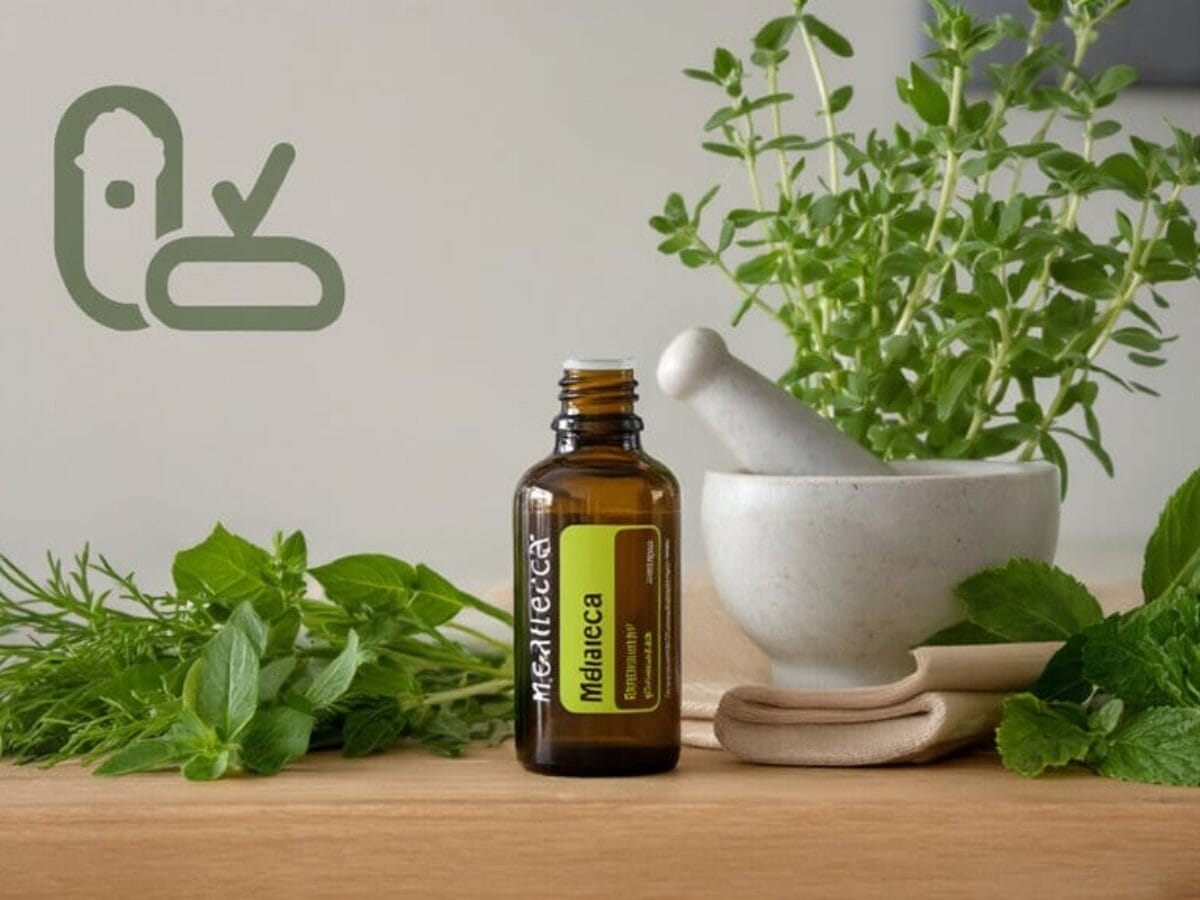
When it comes to melaleuca oil, often called tea tree oil, you might be curious about its safety and potential uses. While this powerful natural remedy boasts numerous benefits, ingesting it can lead to serious health risks, especially for children. So, what exactly happens when you swallow it? And how can you safely incorporate it into your routine? Let’s explore the crucial safety guidelines and insights you need to know before using this popular oil.
Key Takeaway
- Prioritize your safety: Remember, melaleuca oil should never be ingested due to its potential toxicity. Always keep it out of reach of children and educate your loved ones about the risks.
- Stay alert for symptoms: If ingestion occurs, seek immediate medical attention. Even if symptoms seem mild, it’s better to be safe and consult a medical professional or poison control.
- Use responsibly for topical application: When incorporating melaleuca oil into your skincare routine, always dilute it with a carrier oil before applying to your skin. This helps prevent irritation and enhances your experience.
- Perform a patch test: Before using melaleuca oil on a larger area, try a patch test on a small area of your skin. This simple step can help you avoid unwanted reactions and ensure your skin feels great.
- Empower your wellness journey: Explore other natural remedies and oils that are safe for ingestion, and consider consulting a holistic health professional to expand your knowledge and enhance your overall well-being.
- Share the knowledge: Spread the word about the safety of melaleuca oil and other essential oils with friends and family. Together, you can create a supportive community that prioritizes wellness and safe practices.
Understanding Melaleuca Oil
When you hear “Melaleuca oil,” you might think of a magical potion straight from nature. This essential oil, derived from the leaves of the Melaleuca alternifolia tree, boasts incredible properties. You’ll find it praised for its antibacterial, antifungal, and anti-inflammatory benefits, which are also key features of tea tree oil skincare products. It’s a popular choice for soothing minor skin irritations and promoting healthy skin. Additionally, many people appreciate melaleuca oil premium products for their effectiveness in various personal care applications.
But don’t rush into using it without caution! Proper dilution is key to avoiding skin irritation or allergic reactions. Always store it in dark, airtight containers to maintain its potency. While this oil can be your natural ally, remember that safe application is essential for enjoying its full range of benefits. So, immerse yourself and explore the wonders of Melaleuca oil responsibly!
Toxicity of Oral Ingestion
Melaleuca oil, often celebrated for its therapeutic benefits, hides a serious danger when it comes to oral ingestion. You might think a few drops can’t hurt, but even small amounts can lead to toxicity. Ingesting this oil can cause central nervous system depression, confusion, and loss of motor control—definitely not your idea of a good time! People have reported symptoms like vomiting and, in extreme cases, even coma. Additionally, tea tree oil is often used as an effective nail fungus treatment, showcasing its benefits when applied topically rather than ingested.
There’s no established safe dose, so it’s best to steer clear of ingesting it altogether. Additionally, the use of carrier oil for tea tree can help mitigate some of the oil’s harsh effects when used topically. If you accidentally swallow some, don’t just shrug it off; get medical attention immediately.
Symptoms of Ingestion
If you or someone you know ingests melaleuca oil, it’s essential to recognize the symptoms right away.
Even small amounts can lead to dizziness, confusion, and nausea—especially in children, where toxicity can kick in with just a few milliliters. Additionally, melaleuca oil supplements have been associated with various health benefits, but they should always be used with caution.
Toxicity Levels in Children
Understanding the symptoms of tea tree oil ingestion in children is crucial, especially since their small size makes them more vulnerable to toxicity.
Even small amounts, like less than 10 mL, can lead to serious issues. You might notice dizziness, slurred speech, or vomiting, which can be alarming. While symptoms may resolve within hours, don’t hesitate to seek medical attention.
In some cases, ingestion can cause central nervous system depression and confusion. Think of it this way: when it comes to kids, it’s always better to be safe than sorry!
Common Symptoms Observed
Ingesting tea tree oil can lead to a range of concerning symptoms, especially in children who are more susceptible to its toxic effects. You might experience dizziness, vomiting, and slurred speech after ingestion. While symptoms may resolve within hours, it’s essential to seek medical attention. Here’s a quick overview of common symptoms:
| Symptom | Description | Severity |
|---|---|---|
| Dizziness | Feeling lightheaded or faint | Mild |
| Vomiting | Expulsion of stomach contents | Moderate |
| Slurred Speech | Difficulty speaking clearly | Severe |
If you notice any of these symptoms, don’t hesitate to contact a healthcare professional. Remember, safety first! Avoid ingesting tea tree oil altogether.
Medical Attention and Supportive Care
When you or someone you know experiences symptoms after ingesting tea tree oil, seeking immediate medical attention is crucial. The risks of toxicity are real, even with small amounts.
If you suspect tea tree oil ingestion, don’t wait—seek medical help immediately to ensure safety and proper care.
Symptoms like dizziness, vomiting, and confusion can hit fast. While some cases might resolve quickly, don’t gamble with safety—medical professionals can provide essential supportive care.
They’ll assess the situation and may recommend treatments to ease symptoms and guarantee recovery. Remember, it’s always better to be safe than sorry!
Even if it’s just a bit of nausea, a quick call to Poison Control can guide you on the best steps. Your health matters, so don’t hesitate to reach out for help when needed!
Safe Topical Use Guidelines
To guarantee safe topical use of tea tree oil, it’s essential to follow a few key guidelines that can help you avoid potential pitfalls.
First, always dilute the oil with a carrier oil, like coconut or jojoba, to minimize skin irritation. Remember, less is more! Apply it to a small area first to check for any adverse reactions.
Store your oil in a dark, airtight container to prevent oxidation, which can lead to irritation. When using it for minor skin conditions, stick to non-vulnerable areas, like the arms or legs.
And if you notice any redness or discomfort, stop using it immediately. Following these steps can verify you enjoy the benefits of tea tree oil safely and effectively!
Potential Allergic Reactions
Many people mightn’t realize that tea tree oil can trigger allergic reactions, especially in those with sensitive skin.
While it’s a popular natural remedy, it’s essential to be cautious. If you’re predisposed to allergies, you might experience contact dermatitis or eczema after using it.
Oxidized tea tree oil can heighten this risk, so always store it properly. If you notice redness, itching, or swelling after applying the oil, you may want to stop using it immediately.
Patch testing is a smart move for anyone uncertain about their sensitivity. Remember, even natural products can cause reactions, so keep an eye on how your skin responds.
Staying informed helps you enjoy the benefits of tea tree oil safely!
Special Considerations for Vulnerable Populations
When considering melaleuca oil, you need to tread carefully, especially if you’re dealing with vulnerable populations like children under 12, pregnant women, or those with allergies.
These groups often face heightened risks, so it’s essential to understand the specific guidelines for safe use.
Don’t take chances—always consult a healthcare professional to guarantee everyone’s safety and well-being.
Children Under 12
Although tea tree oil is often praised for its numerous benefits, it’s essential to approach its use with caution, especially for children under 12.
Ingestion can be particularly dangerous, even in small amounts, leading to symptoms like dizziness, vomiting, and confusion. Kids are more vulnerable, with less than 10 mL capable of causing toxicity.
No safe oral dose exists, so it’s vital to avoid giving them tea tree oil altogether. If ingestion occurs, prompt medical attention is necessary, as symptoms may require emergency care.
While topical use can be safer when diluted, always remember—it’s best to stick to proven methods for keeping your little ones healthy and happy.
Better safe than sorry, right?
Pregnant and Lactating Women
Pregnant and lactating women should exercise extra caution when considering the use of tea tree oil. While it’s a popular natural remedy, the lack of safety data makes it essential to avoid ingestion and topical use without medical supervision. Your body undergoes many changes during this time, and the effects of tea tree oil aren’t fully understood.
| Consideration | Risks of Ingestion | Topical Use Safety |
|---|---|---|
| Pregnancy | Toxicity can affect fetal development | Consult a healthcare provider |
| Lactation | Potential transfer through milk | Use only if advised |
| Dosage Guidelines | No established safe dose | Dilute properly |
| Symptoms of Toxicity | Dizziness, vomiting, confusion | Skin irritation possible |
| Emergency Response | Seek medical attention immediately | Monitor for reactions |
Always prioritize your health and consult your doctor!
Individuals With Allergies
For individuals with allergies, the use of tea tree oil comes with its own set of considerations that can’t be overlooked.
While topical application might be safe, you should be cautious about allergic reactions. Oxidation makes tea tree oil more likely to irritate your skin, especially if you’ve got sensitive skin or a history of allergies.
It’s wise to patch test first! If you’re prone to contact dermatitis or eczema, you should definitely consult a doctor before using it.
Also, remember that ingestion is a big no-no; it’s toxic and can lead to serious health issues. Better safe than sorry!
Always prioritize your safety and well-being when considering any natural remedy.
Regulatory Recommendations
When it comes to using tea tree oil, regulatory recommendations are clear and straightforward, ensuring your safety remains a top priority. Here’s what you need to know:
- Regulatory bodies strongly advise against the oral ingestion of tea tree oil.
- Always check product labels for warnings about improper use.
- Avoid oxidized or degraded oil to minimize risks.
- There aren’t universally defined maximum safe concentrations for topical use.
- Store your tea tree oil in amber or clear glass bottles to protect it from light and air.
Proper Storage Practices
To keep your melaleuca oil effective and safe, proper storage practices are key.
Always use an airtight container to prevent oxidation, and store it in a dark place away from heat sources.
Airtight Container Usage
While you might be enthusiastic to explore the many uses of melaleuca oil, it’s important to remember that proper storage can greatly extend its shelf life and maintain its effectiveness.
Using airtight containers is vital for preserving this natural remedy. Here are some tips to keep your melaleuca oil safe and effective:
- Choose opaque glass bottles to block harmful light.
- Make sure the container is sealed tightly to prevent air exposure.
- Store in a cool, dry place away from heat sources.
- Label your container with the date of purchase for freshness tracking.
- Avoid transferring oil between containers to reduce oxidation risk.
Dark Storage Environment
Storing melaleuca oil in a dark environment plays a significant role in preserving its potency and preventing degradation.
Light can cause the oil to oxidize, leading to a decrease in its effectiveness and potential skin irritations. You want to keep your melaleuca oil in a cool, dark place, ideally in an amber or dark glass bottle, which helps block light exposure.
Even a brightly lit shelf might be a bad idea! Proper storage means you can enjoy the benefits of this remarkable oil for a longer time.
Plus, it’s a simple step that maximizes your investment in this natural remedy. So, give your melaleuca oil the dark, cozy home it deserves, and it’ll reward you with its full potential!
Avoid Heat Sources
When it comes to preserving the quality of your melaleuca oil, avoiding heat sources is essential. Heat can degrade the oil, reducing its effectiveness and altering its properties.
To keep your melaleuca oil in tip-top shape, follow these handy tips:
- Store it in a cool, dark place away from sunlight.
- Avoid placing it near appliances that generate heat, like stoves or radiators.
- Don’t leave it in your car, especially during hot weather.
- Always opt for dark glass containers to help shield it from heat.
- Check the storage instructions on the label for specific recommendations.
Summary of Safety Precautions
To guarantee your safety when using melaleuca oil, it’s crucial to follow specific precautions that protect both you and those around you.
First, never ingest melaleuca oil—it’s toxic, and even a small amount can lead to severe health issues like confusion or loss of motor control.
If you’re considering topical use, always dilute the oil and perform a patch test, especially if you have sensitive skin.
Store the oil in dark, airtight containers to prevent oxidation, which increases irritation risk.
If you’re pregnant, nursing, or have underlying health conditions, consult a healthcare professional before use.
Frequently Asked Questions
Can Tea Tree Oil Be Used in Aromatherapy?
Yes, you can use tea tree oil in aromatherapy. It’s great for promoting relaxation and can help with respiratory issues. Just make sure you’re using it in a diffuser or with a carrier oil.
What Are the Benefits of Melaleuca Oil?
Melaleuca oil offers benefits like antibacterial properties, reducing inflammation, and promoting skin healing. You can use it for acne, fungal infections, or as a natural disinfectant. Just remember to apply it topically and safely.
How Should Melaleuca Oil Be Diluted for Topical Use?
To dilute melaleuca oil for topical use, mix one part oil with at least four parts carrier oil, like coconut or jojoba oil. Always do a patch test first to guarantee you don’t have an allergic reaction.
Is Melaleuca Oil Safe for Pets?
Melaleuca oil isn’t safe for pets. Its toxicity can lead to serious health issues, including vomiting and lethargy. Always consult a veterinarian before using any essential oils around your furry friends to guarantee their safety.
Can I Use Expired Melaleuca Oil?
You shouldn’t use expired melaleuca oil. Its efficacy decreases, and it may cause skin irritation or allergic reactions. Always check the expiration date, and store your oils properly to maintain their quality and safety.
Final Thoughts
To sum up, while melaleuca oil boasts impressive benefits, remember that ingestion is a definite no-no! Keep it for topical use, but always dilute it properly to avoid skin irritation. If you’re unsure or notice any adverse reactions, don’t hesitate to reach out to a healthcare professional. With a little caution and respect for this powerful remedy, you can safely enjoy all the perks it has to offer. Stay safe and happy healing!