If you’re on the hunt for radiant skin without resorting to animal products, you’ve come to the right place. Vegetarian collagen sources are not just a trend; they’re a game changer for your beauty routine. Imagine harnessing the power of nature’s best ingredients like OVODERM® and nutrient-rich seeds to boost your skin’s elasticity and hydration. Curious about how these natural wonders can transform your skin? Let’s explore five standout sources that might just surprise you. These vegetarian options not only promote collagen production but also provide essential nutrients that contribute to overall skin health. With numerous collagen benefits for healthy skin, incorporating these sources into your routine can lead to a more youthful and vibrant complexion. Discover how to integrate these ingredients into your diet and skincare products for optimal results.
Key Takeaway
- Embrace OVODERM®: Consider incorporating this vegetarian-friendly collagen supplement into your routine to boost skin elasticity and hydration, helping you achieve that radiant glow.
- Nourish with Quinoa and Chia Seeds: Add these superfoods to your meals for a powerful source of complete proteins and omega-3 fatty acids that will keep your skin hydrated and healthy.
- Indulge in Collagen-Boosting Fruits: Make a habit of enjoying delicious fruits like papaya, pomegranate, and kiwi, which are packed with vitamins and antioxidants to enhance your skin’s vitality.
- Load Up on Leafy Greens and Legumes: Fill your plate with nutrient-rich spinach, kale, and beans to support collagen synthesis and nourish your skin from within.
- Prioritize Essential Nutrients: Ensure your diet includes vitamin C, zinc, and copper from plant sources to effectively support collagen production and achieve that radiant skin you desire.
OVODERM®: The Ultimate Vegetarian Collagen Source
If you’re on the hunt for a vegetarian-friendly way to boost your collagen intake, search no more than OVODERM®—the ultimate source for radiant skin. OVODERM® provides a unique blend of plant-based ingredients designed to support your body’s natural collagen production. By understanding collagen types and their benefits, you can effectively choose supplements that cater to your specific skin needs. Elevate your skincare routine and enjoy the nourishing effects of this powerful, vegetarian-friendly formulation.
This remarkable supplement harnesses the power of eggshell membrane extracts, offering a potent mix of collagen, elastin, and hyaluronic acid. Unlike traditional collagen sources, OVODERM® promotes skin elasticity and hydration without animal byproducts. Research indicates that vegan collagen supplements can provide similar benefits as their animal-derived counterparts. Additionally, this innovative formula is designed to maximize the absorption of key nutrients, making it a highly effective option for those seeking youthful skin.
Studies show that it can visibly reduce signs of aging while enhancing your skin’s barrier function. Just imagine this: glowing skin that feels as good as it looks!
Quinoa and Chia Seeds: Powerhouses of Amino Acids
Quinoa and chia seeds stand out as nutritional champions in the domain of plant-based diets, brimming with essential amino acids that play an important role in collagen production. These tiny seeds pack a powerful punch! Quinoa offers a complete protein profile, meaning it contains all nine essential amino acids your body can’t produce on its own. Furthermore, incorporating collagen supplements for teens can help boost collagen levels during this critical growth period.
Chia seeds, on the other hand, are rich in protein and omega-3 fatty acids, which support skin hydration and elasticity. Additionally, incorporating collagen-free supplements into your routine can further enhance your skin’s vitality. In fact, a well-rounded diet rich in these nutrients can significantly contribute to overall skin health.
Incorporating these superfoods into your meals can boost your collagen levels naturally. Toss them into smoothies, salads, or even baked goods for a delightful crunch!
Collagen-Boosting Fruits: Nature’s Sweet Secret
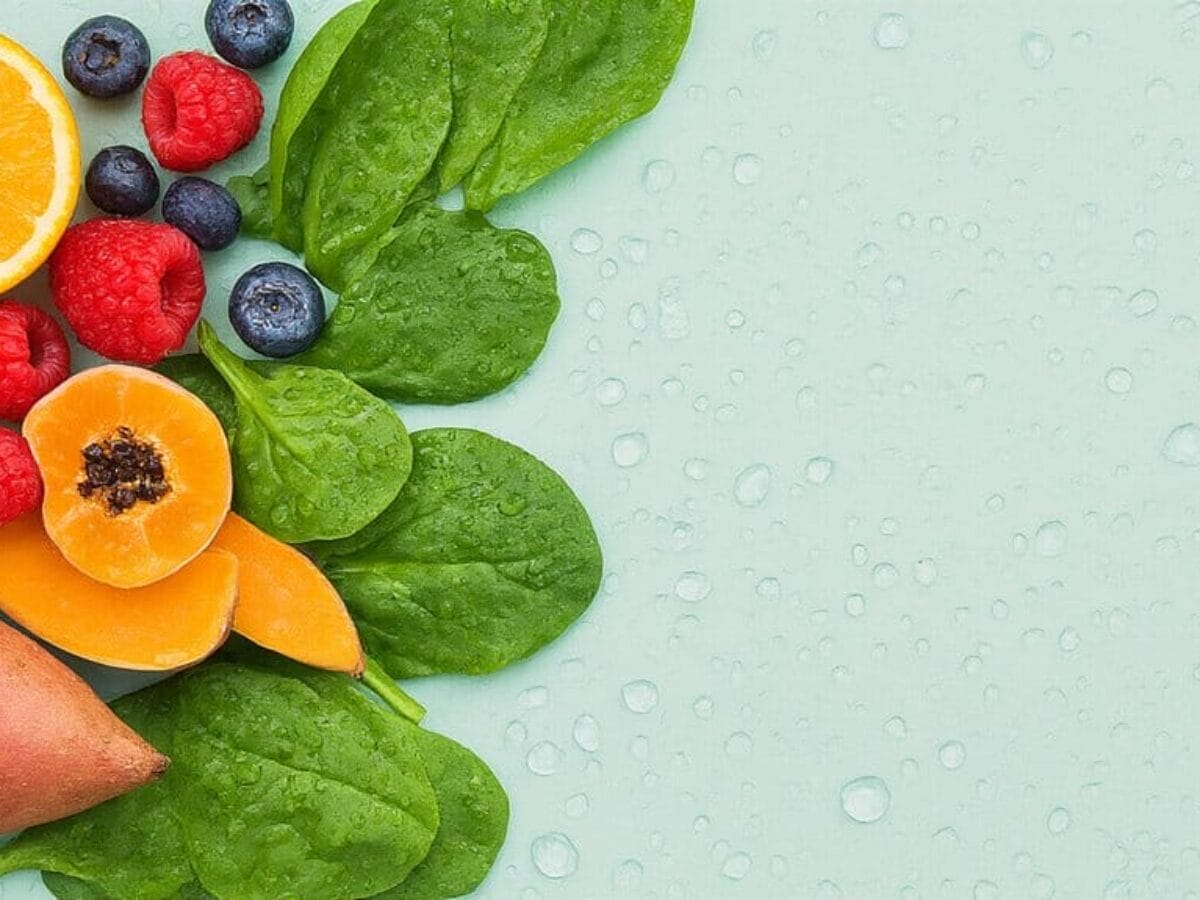
You might be surprised to learn that fruits can play a significant role in boosting your collagen levels and giving your skin that radiant glow you crave.
Take papaya, for example; it’s loaded with vitamin C, vitamin A, and papain, all of which enhance collagen metabolism.
Papaya is a powerhouse of vitamin C, vitamin A, and papain, all boosting collagen metabolism for healthier skin!
Pomegranate, with its wealth of ellagitannins and polyphenols, promotes collagen production like a boss.
Don’t forget kiwi, which packs more vitamin C than oranges, plus vitamin E and antioxidants!
Guava is another superstar, providing an impressive dose of vitamin C and zinc.
Citrus fruits and berries round out this delicious lineup, offering high levels of vitamin C and antioxidants. Additionally, incorporating premium collagen supplements into your routine can further support your skin’s natural collagen production.
Leafy Greens and Legumes: Nutrient-Dense Allies
While you might think of fruits as the stars of the collagen-boosting show, leafy greens and legumes deserve their time in the spotlight too!
Packed with crucial nutrients, these plant-based powerhouses play a key role in supporting your skin’s health.
Consider incorporating these nutrient-dense allies into your diet:
- Spinach and kale: Rich in chlorophyll, which may enhance collagen production.
- Beans: High in lysine, a crucial amino acid for collagen synthesis.
- Cashews: Loaded with zinc and copper, both essential for collagen formation.
- Tomatoes: A fantastic source of vitamin C and lycopene for skin vitality.
Essential Nutrients for Collagen Production: A Holistic Approach
Building on the benefits of leafy greens and legumes, it’s clear that achieving radiant skin goes beyond just adding a few healthy foods to your plate.
You need a holistic approach that includes essential nutrients. Vitamin C is your best friend for collagen synthesis; find it in citrus fruits, berries, and leafy greens.
Don’t forget zinc, either! It’s crucial for collagen formation and abundant in nuts and legumes. Copper, found in cashews and beans, also supports collagen production.
Plus, include silicon from whole grains and lysine from beans to enhance your collagen structure. By prioritizing these nutrients, you’re not just adding to your diet—you’re crafting a recipe for vibrant skin that radiates health and vitality.
Frequently Asked Questions
Can Vegetarian Collagen Supplements Replace Animal-Based Collagen Completely?
Yes, vegetarian collagen supplements can effectively replace animal-based collagen, as they provide essential nutrients that support collagen production. By incorporating these supplements and a balanced diet, you can maintain skin health and liveliness.
Are There Side Effects From Taking Vegetarian Collagen Supplements?
You might experience mild side effects like digestive discomfort or allergic reactions when taking vegetarian collagen supplements. However, most people tolerate them well. Always consult a healthcare provider before starting any new supplement.
How Long Does It Take to See Results From Collagen Supplementation?
You’ll typically notice results from collagen supplementation within four to eight weeks. Consistency is key, so stick with your routine, and you should start seeing improvements in skin elasticity and hydration during that time.
Is Vegetarian Collagen Suitable for All Skin Types?
Yes, vegetarian collagen is suitable for most skin types. It can enhance skin health, improve elasticity, and provide hydration. However, individual reactions may vary, so it’s best to consult a dermatologist for personalized advice.
Can I Combine Vegetarian Collagen With Other Skincare Products?
Yes, you can combine vegetarian collagen with other skincare products. Just make sure they complement each other. Look for hydrating ingredients and antioxidants to boost effectiveness, enhancing your skin’s overall health and appearance.
Final Thoughts
Incorporating vegetarian collagen sources into your diet can truly transform your skin. By embracing the power of OVODERM®, nutrient-rich quinoa and chia seeds, and collagen-boosting fruits, you’re fueling your body with what it needs for that radiant glow. Don’t forget those leafy greens and legumes—they’re your secret weapons in collagen synthesis! So, go ahead and make these delicious choices part of your routine, and watch your skin thrive while you enjoy the journey toward natural beauty!