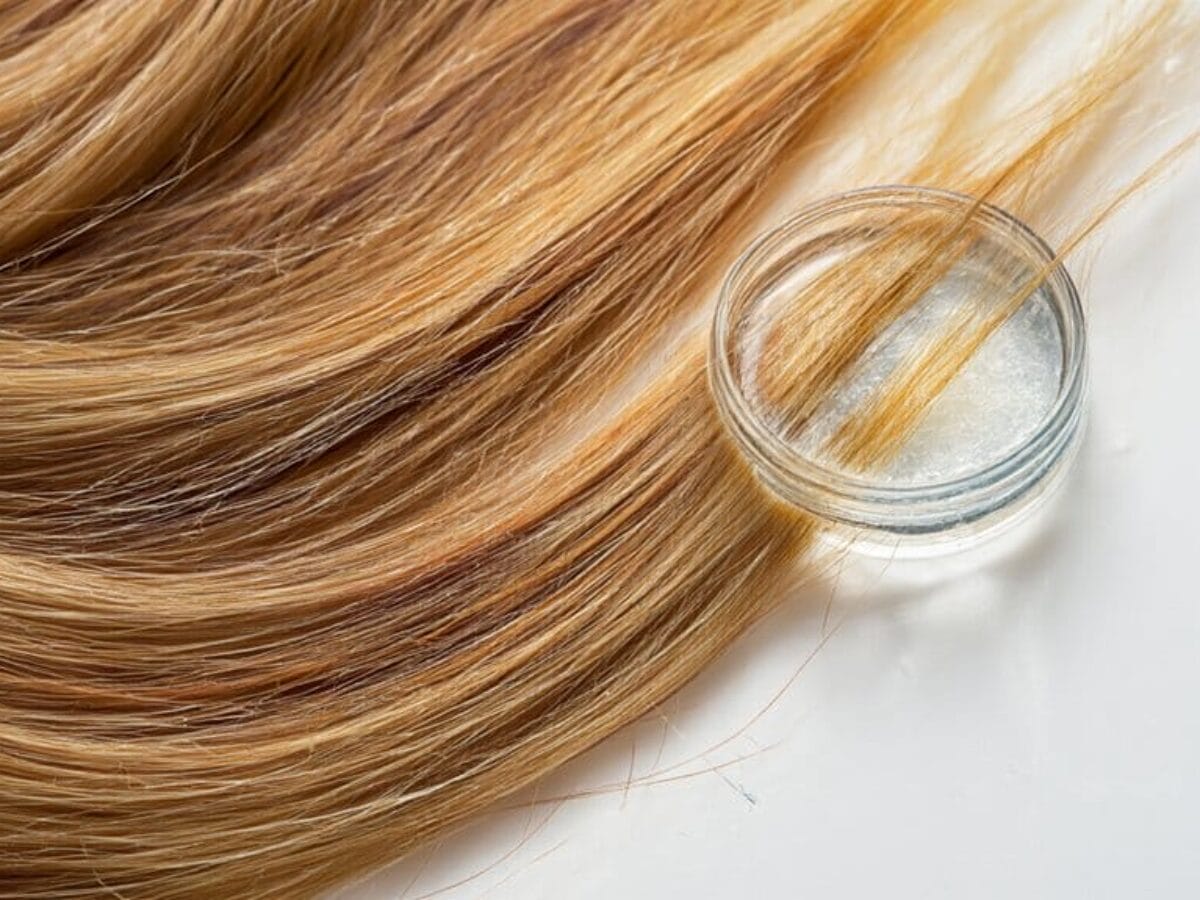
Have you ever wondered if benzoyl peroxide could lighten your hair? You’re not alone! Many people have experienced unexpected hair bleaching after using this common acne treatment. It’s all about how this powerful compound interacts with melanin in your hair. But before you panic, there are important facts and precautions to take into account. Curious about how to protect your locks while treating your skin? Let’s uncover the essentials!
Key Takeaway
- Be aware of benzoyl peroxide’s effects: Understand that this powerful ingredient may lighten your hair due to its oxidative properties, particularly if you have darker hair. Stay mindful of how it interacts with your hair and scalp.
- Protect your hair: To avoid any accidental bleaching, apply benzoyl peroxide carefully to your skin and steer clear of your hair and towels. This simple step can help you maintain your hair color and integrity.
- Monitor your hair health: Keep an eye on how your hair and scalp respond to benzoyl peroxide. If you notice dryness or brittleness, consider adjusting your usage or incorporating hydrating treatments to support your locks.
- Consult a professional: If you experience any hair discoloration or irritation, don’t hesitate to reach out to a dermatologist. They can provide personalized advice and solutions to keep your skin and hair looking their best.
- Empower your skincare routine: Embrace the knowledge of how benzoyl peroxide works and take control of your skincare regimen. With mindful application, you can enjoy the benefits of clear skin without compromising your hair.
Evidence of Hair Bleaching From Benzoyl Peroxide
While you might think of benzoyl peroxide as just another acne treatment, it’s worth noting that it can also have some surprising side effects—especially when it comes to your hair.
You might be shocked to learn that this common skincare ingredient can actually bleach your hair! There’s a documented case of a 15-year-old girl whose dark brown hair turned nearly white in some areas after using a 5% benzoyl peroxide lotion. This occurs because benzoyl peroxide is often included in benzoyl peroxide treatment products for its effectiveness against acne.
This happens because benzoyl peroxide has oxidative properties that weaken melanin in your hair. Although such cases are rare, if you’re using this treatment, avoid letting it touch your hair or towels. Many people are unaware that benzoyl peroxide skincare products can have unintended consequences beyond treating acne.
Keeping your hair safe from this acne fighter might just save you from an unintended hair makeover!
How Benzoyl Peroxide Affects Hair Chemistry
When you apply benzoyl peroxide to your skin, you mightn’t realize just how it’s impacting your hair chemistry as well.
Applying benzoyl peroxide to your skin may unintentionally affect your hair chemistry too.
This powerful ingredient can cause some unexpected changes to your hair, and understanding this can help you avoid surprises.
Here are some key effects:
- Oxidation of Melanin: Benzoyl peroxide can lighten hair by oxidizing melanin, the pigment responsible for color.
- Drying Effects: It removes natural oils from your hair, leading to dryness and brittleness.
- Patchy Color Changes: The extent of bleaching can vary, resulting in uneven patches based on how much contact your hair has with the product. Additionally, natural remedies for hormonal acne can provide alternative solutions that may not impact your hair.
Additionally, using benzoyl peroxide in conjunction with hair care products that contain moisturizing ingredients can help mitigate some of the drying effects.
Risks and Side Effects Associated With Hair and Scalp
When using benzoyl peroxide, you might notice some unexpected changes to your hair and scalp.
While it’s great for tackling acne, it can also lead to dryness, brittleness, and even scalp irritation if you’re not careful.
Plus, let’s not forget the potential for unwanted bleaching effects—imagine waking up with surprise highlights you didn’t ask for! Additionally, using benzoyl peroxide facial wash can help minimize acne flare-ups, but it’s crucial to monitor how it interacts with your hair and scalp.
Hair Dryness and Brittleness
Using benzoyl peroxide can lead to some surprising side effects, particularly hair dryness and brittleness. While it’s a powerful acne treatment, it can strip your hair of essential moisture and oils, leaving it fragile.
Here’s what to keep in mind:
- Moisture Loss: Benzoyl peroxide can remove natural oils, leading to dryness.
- Brittle Hair: The weakened hair structure may result in breakage.
- Patchy Discoloration: You might notice uneven lightening, especially with prolonged use.
To maintain healthy hair while using benzoyl peroxide, consider applying it carefully and avoiding contact with your hair.
Scalp Irritation Risks
Scalp irritation can sneak up on you when you least expect it, especially if you’re using benzoyl peroxide to tackle acne.
This powerful ingredient can dry out your scalp, leading to discomfort and potential flaking. You might notice redness, itching, or a burning sensation—definitely not the side effects you want.
Overusing benzoyl peroxide or applying it too close to your hair can exacerbate these issues. So, make sure to stick to the recommended amounts!
And remember, always wash your hands after application to avoid unintended contact with your hair.
If irritation persists or worsens, it’s a good idea to pause usage and consult a dermatologist. Your scalp will thank you for it!
Unwanted Bleaching Effects
While tackling acne with benzoyl peroxide, you mightn’t realize that this powerful treatment can also have some unexpected consequences for your hair.
It’s important to be aware of the risks and side effects that can arise from its use:
- Dryness and Brittleness: Benzoyl peroxide can strip your hair of natural oils, leading to breakage.
- Scalp Irritation: Overuse or incorrect application can irritate your scalp, causing discomfort.
- Unwanted Bleaching: You might notice unexpected light spots or discoloration on your hair, especially if it’s darker.
To minimize these effects, always apply benzoyl peroxide carefully and avoid contact with your hair.
After all, you want your skin to glow, not your hair to go white!
Recommendations to Minimize Hair Bleaching Risks
To keep your hair safe from the unexpected bleaching effects of benzoyl peroxide, it’s essential to follow some practical recommendations.
First, always apply the product strictly to your skin, steering clear of your hair. Timing matters too—apply it well before bed, allowing it to absorb fully before any hair contact.
To further minimize risks, use separate towels for your face and hair; this simple tip can save you from unintentional bleaching!
Stick to the recommended amounts and frequency to avoid irritating your scalp or damaging your hair.
Finally, always heed the package instructions or your dermatologist’s advice.
With these straightforward steps, you can enjoy the benefits of benzoyl peroxide while keeping your hair looking vibrant and healthy!
Comparison With Other Peroxide Agents
When you think about bleaching agents, you might immediately picture hydrogen peroxide, known for its powerful lightening effects on hair.
While benzoyl peroxide can lighten hair too, it’s milder and primarily targets acne, not your hair color.
Let’s explore how these two peroxide agents compare in their oxidative effects and why you might want to keep them in their respective corners!
Benzoyl vs. Hydrogen Peroxide
Benzoyl peroxide and hydrogen peroxide might share the “peroxide” label, but they play very different roles in the beauty and skincare world.
While both can lighten hair, their applications differ vastly. Here’s what you should know:
- Benzoyl Peroxide is primarily used for treating acne, offering antibacterial and anti-inflammatory benefits.
- Hydrogen Peroxide is a stronger bleaching agent, commonly used for hair lightening and highlighting.
Benzoyl peroxide’s bleaching effects are surface-level, while hydrogen peroxide penetrates deeper, delivering more pronounced results.
Oxidative Effects Comparison
While many people might think all peroxides are created equal, they actually have distinct oxidative effects that can greatly influence their use in skincare and haircare.
Benzoyl peroxide is milder than hydrogen peroxide, which is infamous for its potent hair bleaching capabilities. When you apply benzoyl peroxide, it primarily affects the hair’s surface, leading to lightening, especially on darker hair.
However, hydrogen peroxide dives deeper, altering the hair follicle pigment more aggressively. This makes benzoyl peroxide a poor choice for hair bleaching but an effective acne treatment.
Precautions to Take When Using Benzoyl Peroxide
To guarantee you get the most out of benzoyl peroxide without any unexpected hair mishaps, it’s essential to follow some essential precautions.
To maximize the benefits of benzoyl peroxide while avoiding hair mishaps, adhering to key precautions is crucial.
This powerful treatment can help with acne, but it can also lead to unintended hair bleaching if you’re not careful. Here are a few tips to keep in mind:
- Apply only to skin: Make sure to keep the product away from your hair and scalp to avoid any accidental bleaching.
- Use separate towels: Avoid using the same towels for your face and hair to minimize the risk of transferring the product.
- Follow usage directions: Stick to the recommended amounts and frequency to prevent irritation and hair damage.
Seeking Dermatological Advice for Hair Discoloration
Have you noticed any unexpected light spots or discoloration in your hair after using benzoyl peroxide? If so, it’s time to consult a dermatologist.
They can help you understand why this happened; benzoyl peroxide can oxidize melanin, leading to those uninvited blonde patches.
Don’t panic! A dermatologist can guide you through treatment options and help address any irritation or discomfort.
They’ll also offer tips on how to use the product safely to avoid further hair issues.
Remember, skin sensitivity varies from person to person, so getting personalized advice is essential.
Your hair health matters, and seeking expert help is the first step toward restoring your locks to their vibrant glory!
Frequently Asked Questions
Can Benzoyl Peroxide Be Used on Colored Hair?
You shouldn’t use benzoyl peroxide on colored hair, as it can cause bleaching and damage. If you must, apply it carefully to avoid contact with your hair and follow usage guidelines to minimize risks.
How Quickly Does Hair Bleaching From Benzoyl Peroxide Occur?
Hair bleaching from benzoyl peroxide can occur quickly, sometimes within a single application. However, results vary based on hair type and exposure duration, so you might notice color changes in days or even weeks.
Is Benzoyl Peroxide Safe for All Skin Types?
Benzoyl peroxide isn’t safe for all skin types. It can cause dryness and irritation, especially for sensitive skin. Always patch test first and consult a dermatologist if you have concerns about using it on your skin.
Can I Prevent Hair Bleaching With Hair Products?
You can minimize hair bleaching by using protective hair products. Apply leave-in conditioners or oils to create a barrier, and avoid benzoyl peroxide contact with hair. Regular trims help manage any potential damage.
What Should I Do if My Hair Gets Bleached?
If your hair gets bleached, consult a dermatologist for advice. You might consider deep conditioning treatments to restore moisture, and avoid further contact with benzoyl peroxide to prevent additional damage and discoloration.
Final Thoughts
To sum up, while benzoyl peroxide is a powerhouse for acne treatment, it’s not so friendly to your hair! Its bleaching effects can catch you by surprise, leading to unwanted highlights. By following proper application techniques and keeping it away from your locks, you can enjoy clear skin without the risk of a hair makeover. Always consult a dermatologist if you notice any discoloration. Keep that hair vibrant and your skin clear—it’s a win-win!