
If you’re battling acne, you might want to contemplate adding vitamin C serum to your skincare arsenal. This powerhouse ingredient not only helps reduce breakouts but also soothes redness and promotes healing. Imagine transforming your skin’s texture and tone while tackling those pesky spots. Curious about how it works and what concentration is best for you? Let’s explore the science behind this skin savior and uncover the secrets to achieving clearer, healthier skin.
Key Takeaway
- Embrace Vitamin C serum: Start incorporating Vitamin C serum into your skincare routine today to help reduce acne lesions and enhance your skin clarity. Consistency is key, so make it a daily habit!
- Boost collagen production: Use Vitamin C alongside retinol to promote collagen production, which can smooth out scars and improve your overall skin texture. Pair these products at night for optimal results.
- Calm and soothe: Apply Vitamin C serum regularly to take advantage of its anti-inflammatory properties, which can calm redness and swelling from breakouts. Your skin will thank you for the gentle care!
- Lighten and even out: Commit to using Vitamin C serum over time to help lighten hyperpigmentation and even out your skin tone. Consider tracking your progress with photos to celebrate your journey!
- Hydrate with hyaluronic acid: Pair your Vitamin C serum with hyaluronic acid for an extra hydration boost. This powerful combination will promote healing and leave your skin feeling refreshed and revitalized.
- Stay consistent: Remember, healthy skin is a journey, not a race! Make a skincare schedule that works for you and stick to it. Your skin will reflect the love you give it.
The Benefits of Vitamin C Serum for Acne
When it comes to tackling acne, you might want to contemplate adding a vitamin C serum to your skincare arsenal. This powerhouse ingredient can greatly reduce both inflammatory and non-inflammatory acne lesions. Clinical studies reveal that formulations like sodium ascorbyl phosphate (SAP) can lead to impressive improvements—up to 63.1% reduction in lesions when combined with retinol!
Moreover, using a Vitamin C serum for dark spots can enhance the overall appearance of your skin, addressing multiple concerns simultaneously. Vitamin C’s anti-inflammatory properties work wonders, calming redness and swelling linked to breakouts. Plus, it accelerates wound healing, minimizing raised scars after acne. Imagine saying goodbye to those pesky reminders of past battles!
With regular use, vitamin C serum can transform your skin, leaving it looking radiant and refreshed. Vitamin C’s benefits extend beyond acne treatment, making it a versatile addition to your skincare routine. Why not give it a try and see the difference for yourself?
Mechanisms of Action in Acne Treatment
Understanding how vitamin C serum works in treating acne can transform your skincare routine into a powerful weapon against breakouts.
This dynamic ingredient neutralizes oxidative stress, calming inflammation in your skin. By strengthening your skin barrier, it reduces the cycle of overproduction, preventing that pesky dryness. Additionally, L-ascorbic acid is known for its stability and effectiveness in skin treatments.
Vitamin C promotes collagen synthesis too, essential for healing acne wounds and rebuilding healthy skin. It even gently exfoliates, preventing clogged pores by speeding up skin cell turnover.
Vitamin C not only boosts collagen production for acne healing but also gently exfoliates to keep pores clear and skin radiant.
Plus, sodium ascorbyl phosphate (SAP) showcases antibacterial activity against Propionibacterium acnes, the troublemaker behind many acne issues.
In addition to these benefits, using a Vitamin C serum moisturizer helps to hydrate your skin, ensuring it remains supple and nourished throughout your skincare routine.
With these mechanisms working together, you’ll find your skin not only clearer but also healthier and more resilient.
Who knew a serum could be such a multitasker?
Optimal Concentrations and Forms of Vitamin C
When it comes to vitamin C serums, finding the right concentration and form is key to maximizing their benefits for your acne-prone skin.
Generally, a concentration between 10% and 20% hits the mark, with 15% being the sweet spot for most people.
Plus, opting for forms like sodium ascorbyl phosphate or L-ascorbic acid can make a world of difference, especially if you have sensitive skin that needs a gentle touch. Additionally, using a premium vitamin C serum can enhance the overall effectiveness of your skincare routine, leading to more noticeable results.
Effective Concentration Range
Finding the right concentration of vitamin C for your skin can be a game-changer in your fight against acne.
You want to strike a balance between effectiveness and skin tolerance. Here are some key concentration points to take into account:
- 10% – 20%: This range is clinically effective for reducing hyperpigmentation and softening acne scars.
- 15%: Often regarded as the “sweet spot,” it provides a great balance of benefits without overwhelming your skin.
- 20%: While this concentration may offer powerful brightening effects, it can be too harsh for sensitive skin.
Experimenting within these ranges can lead to impressive results, helping you achieve that clearer complexion you’ve been craving.
Preferred Vitamin C Forms
Choosing the right form of vitamin C can make a significant difference in your skincare routine, especially when combating acne.
For most people, a 15% concentration of vitamin C strikes the perfect balance between effectiveness and tolerability. If you’re feeling adventurous, 20% can amp up your brightening game, but it might be too intense for sensitive skin.
Sodium ascorbyl phosphate (SAP) is a fantastic option, showing remarkable results even at 3%, while L-ascorbic acid offers potent skin penetration.
Remember, consistency is key! Incorporate these forms into your daily routine, and you might just find your skin transforming.
Sensitivity Considerations
While your skin might be craving the brightening benefits of vitamin C, it’s important to take into account its sensitivity potential, especially if you’re prone to breakouts.
To guarantee you get the most out of your vitamin C experience, consider these factors:
- Optimal Concentration: Start with a 10-15% concentration; it’s effective without overwhelming sensitive skin.
- Form Matters: Sodium ascorbyl phosphate (SAP) is gentler and suitable for sensitive skin types, while L-ascorbic acid provides deeper penetration but may irritate.
- Patch Test: Always patch test new products on a small area to gauge your skin’s reaction before full application.
Effects on Acne Scars and Hyperpigmentation
When you’re tackling acne scars and hyperpigmentation, vitamin C serum can be a game-changer.
It not only promotes collagen production, helping to smooth out those pesky atrophic scars, but it also inhibits melanin production, which can lighten dark spots.
With consistent use, you might just find your skin looking brighter and more even, giving you that confidence boost you deserve!
Scar Healing Properties
As you explore the scar healing properties of vitamin C serum, you’ll discover its remarkable ability to transform your skin after acne breakouts.
This powerful serum can greatly improve the appearance of scars, making them less noticeable.
Here are three key benefits:
- Collagen Boost: Vitamin C promotes collagen synthesis, helping to fill in those pesky atrophic scars.
- Reduced Redness: Its anti-inflammatory properties help calm redness and swelling, making scars less pronounced.
- Mild Skin Lightening: Vitamin C may lighten hyperpigmentation, evening out your skin tone over time.
Hyperpigmentation Reduction Mechanism
Understanding how vitamin C serum can reduce hyperpigmentation reveals the magic behind this skincare powerhouse.
When you apply vitamin C, it inhibits tyrosinase, the enzyme responsible for melanin production. This means less darkening of acne scars over time.
Plus, vitamin C boosts collagen synthesis, helping to fill those pesky atrophic scars and give your skin a smoother appearance.
Studies show that combining vitamin C with microneedling can enhance scar improvements even more!
While the serum also lightens your skin gently, it’s essential to pair it with sunscreen to protect your progress.
So, if you’re ready to tackle those stubborn marks, vitamin C is your go-to ally for a brighter, more even complexion.
Your skin will thank you!
Combination Therapies for Enhanced Results
While you might be excited about the benefits of vitamin C serum for acne, combining it with other potent ingredients can truly elevate your skincare game.
Here are three dynamic pairings to contemplate:
- Vitamin C + Retinol: This powerful combo can greatly reduce acne lesions while promoting skin renewal. They work together to enhance collagen production and improve texture.
- Vitamin C + Vitamin E: Combining these antioxidants boosts protection against environmental stressors, giving your skin an extra layer of defense.
- Vitamin C + Hyaluronic Acid: This duo locks in moisture, promoting healing and helping your skin stay hydrated and plump.
Application Tips for Maximum Efficacy
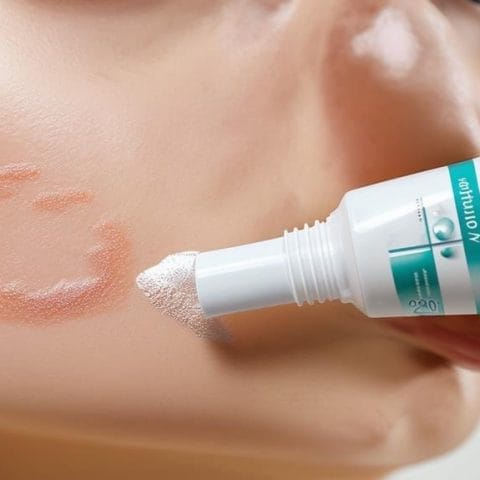
To maximize the benefits of your vitamin C serum, applying it correctly is essential. Start by cleansing your face to remove impurities, ensuring a smooth canvas for the serum.
Apply it twice daily—morning and evening—for ideal results. Use a small amount, just a few drops, and gently massage it into your skin with upward motions.
Don’t forget to follow up with a broad-spectrum sunscreen in the morning; your skin will thank you! Layering with hydrating ingredients like hyaluronic acid can boost moisture retention, enhancing effectiveness.
Potential Side Effects and Considerations
When diving into the world of vitamin C serums for acne, it’s important to be aware of potential side effects and considerations.
While vitamin C can work wonders, you might experience a few hiccups along the way. Here are some things to keep in mind:
- Irritation: Higher concentrations can irritate sensitive skin, leading to redness or dryness. Start low and slow!
- Allergic Reactions: Rarely, some may experience allergic reactions. Always patch-test before fully committing.
- Stability Issues: Vitamin C can degrade in light and air, so store your serum properly to maintain its potency.
Incorporating Vitamin C Into Your Skincare Routine
Incorporating vitamin C into your skincare routine can be a game-changer for achieving clearer, healthier skin. Start by choosing a serum with a concentration between 10% and 20%, ideally around 15%. Apply it twice daily after cleansing, giving your skin a revitalizing boost.
Remember, consistency is key! Layer it with hydrating ingredients like hyaluronic acid for extra moisture and enhanced healing. Don’t forget your broad-spectrum sunscreen every morning; vitamin C can make your skin more sensitive to sunlight.
If you’re feeling adventurous, consider pairing it with retinol for even greater results. Your skin will thank you as it becomes more radiant and less prone to acne. Get ready for compliments on your glowing complexion!
Real-Life Results: Clinical Studies and Findings
Clinical studies reveal impressive results when it comes to the effectiveness of vitamin C serum for acne treatment.
You’ll find that these studies highlight several key benefits:
- Reduction of Acne Lesions: Formulations using sodium ascorbyl phosphate can lead to significant decreases in both inflammatory and non-inflammatory acne lesions.
- Improved Wound Healing: Vitamin C accelerates healing, reducing the appearance of raised scars after breakouts.
- Enhanced Collagen Production: This vitamin promotes collagen synthesis, which is essential for rebuilding skin and minimizing acne scars.
These findings showcase how vitamin C isn’t just a trend; it’s a powerful ally in your skincare routine.
Frequently Asked Questions
Can I Use Vitamin C Serum With Other Acne Treatments?
Yes, you can use vitamin C serum with other acne treatments. Combining it with retinol or hyaluronic acid can enhance results, but always patch test and consult a dermatologist to avoid irritation or adverse reactions.
How Long Does It Take to See Results From Vitamin C Serum?
You’ll typically see results from vitamin C serum in about four to six weeks. Consistent daily use is key, so stick to your routine for ideal improvements in your skin’s texture and appearance.
Is Vitamin C Serum Safe for Sensitive Skin Types?
Yes, vitamin C serum can be safe for sensitive skin types if you start with lower concentrations. Just pay attention to your skin’s response and consider using derivatives like sodium ascorbyl phosphate to minimize irritation.
Can I Use Vitamin C Serum During Pregnancy?
Yes, you can use vitamin C serum during pregnancy. It’s generally considered safe, but you should consult your healthcare provider to guarantee it suits your specific needs and skin type. Always prioritize your health and safety.
Should I Refrigerate My Vitamin C Serum for Better Potency?
You don’t need to refrigerate your vitamin C serum, but doing so can enhance its potency and shelf life. Just make certain it’s tightly sealed and stored away from direct sunlight for maximum effectiveness.
Final Thoughts
Incorporating vitamin C serum into your skincare routine can be a game-changer for combating acne and achieving clearer skin. With its impressive ability to reduce inflammation, speed up healing, and improve skin texture, you’ll notice a transformation you can feel proud of. Remember to choose the right concentration and apply it consistently for the best results. Embrace this powerful ally, and watch your skin glow with health and confidence—because who doesn’t love a little extra radiance?