Have you ever thought about using aspirin as a remedy for those pesky pimples? This common household item, known for its pain-relieving properties, also boasts impressive विरोधी भड़काऊ प्रभाव that can help calm angry blemishes. By transforming simple aspirin tablets into a targeted paste, you can tackle breakouts effectively. Curious about how this DIY solution stacks up against other acne treatments? Let’s uncover the secrets behind aspirin’s skin-clearing potential.
चाबी टेकअवे
- Harness the power of aspirin: Create a simple DIY paste by crushing uncoated aspirin tablets and mixing them with warm water. Apply this to your blemishes for 10–15 minutes to help reduce inflammation and redness.
- Enhance your skincare routine: Boost the effectiveness of your aspirin treatment by combining it with vitamin C serum. This powerful duo can provide extra benefits while still allowing you to incorporate your usual acne treatments.
- अपनी त्वचा को सुनें : Monitor how your skin reacts to the aspirin treatment. If you experience irritation or dryness, make sure to moisturize afterward and adjust your usage accordingly for the best results.
- निरंतरता के लिए प्रतिबद्ध : Regular use of aspirin as part of your skincare routine can lead to clearer skin and increased self-confidence. Stay dedicated to your regimen for optimal results and watch your skin transform.
- Prioritize hydration: After your treatments, always follow up with a good moisturizer to maintain your skin’s balance and prevent dryness. Hydrated skin is happier skin, so don’t skip this essential step!
- अपनी यात्रा को अपनाएं : Remember that clear skin takes time and dedication. Celebrate your small victories along the way and keep nurturing your skin with love and care!
Understanding Aspirin’s Anti-Inflammatory Properties
When you think about managing acne, aspirin mightn’t be the first thing that comes to mind, but its विरोधी भड़काऊ गुण are worth exploring.
Aspirin contains acetylsalicylic acid, which inhibits cyclooxygenase enzymes, reducing inflammation and swelling. This means it could potentially calm those angry red pimples. इसके अतिरिक्त, एक का उपयोग करना vitamin C serum for acne can further support your skincare routine by promoting healing and improving skin texture.
Aspirin’s acetylsalicylic acid helps reduce inflammation, potentially soothing those pesky, angry red pimples.
While there’s no concrete evidence that it directly targets acne or its root causes, it might help alleviate the pain and swelling associated with inflammatory lesions. Additionally, incorporating बेंज़ोयल पेरोक्साइड मुँहासे उपचार can enhance your acne-fighting regimen.
Just keep in mind that aspirin’s not a miracle cure; it’s more of a supportive sidekick.
The Role of Acetylsalicylic Acid in Acne Treatment
Acetylsalicylic acid, the star ingredient in aspirin, plays an intriguing role in the domain of acne treatment. While it has anti-inflammatory properties, it doesn’t directly target acne-causing bacteria. Instead, it may help reduce inflammation and redness associated with acne lesions, giving you a chance to calm that pesky breakout. However, it’s not a miracle cure for all types of acne. It’s important to consider hormonal acne treatment products that can more effectively address the root causes of acne. Additionally, body acne treatment products are specifically designed to tackle breakouts on larger skin areas. Check out the table below for a quick overview:
| दृष्टिकोण | या क़िस्म |
|---|---|
| विरोधी भड़काऊ | Reduces swelling and redness |
| Bacterial targeting | Doesn’t fight acne-causing bacteria |
| Skin types | Less effective for non-inflammatory acne |
| अनुप्रयोग | Typically used as a spot treatment |
| Safety concerns | May cause dryness and irritation |
Aspirin vs. Salicylic Acid: Which Is More Effective?
Have you ever wondered which मुँहासे का इलाज reigns supreme: aspirin or salicylic acid?
While aspirin has some विरोधी भड़काऊ गुण , it doesn’t directly tackle the root causes of acne like salicylic acid does. Salicylic acid is specifically designed to exfoliate your skin, unclog pores, and regulate oil production. It’s proven effective across various concentrations, making it a go-to for many skincare enthusiasts. Additionally, using salicylic acid serum for scars can enhance skin healing and improve the overall appearance of your complexion.
In contrast, aspirin might only provide temporary relief from inflammation but lacks the deep-cleansing benefits you need for acne.
Safety Concerns and Potential Side Effects
Before you try aspirin for your acne, it’s essential to contemplate potential safety concerns.
You might experience त्वचा में जलन , redness, or dryness, and if you have an allergy to NSAIDs, it’s best to steer clear.
Plus, remember that using aspirin too often can lead to more breakouts, so it’s important to use it wisely and in moderation!
Skin Irritation Risks
When using topical aspirin, be aware that त्वचा में जलन is a real risk, especially if you’re not careful with application. You might experience dryness, redness, or irritation, particularly if you apply it too frequently.
Overdoing it can strip your skin of its natural oils, which could ironically lead to more breakouts. Remember, aspirin isn’t a miracle cure; it’s a temporary fix. It’s best to use it sparingly on isolated spots, and be cautious if you have sensitive skin.
And don’t forget to follow up with a अच्छा मॉइस्चराइज़र to help combat dryness. Keeping it simple and limited to short durations will help you enjoy potential benefits while minimizing those pesky side effects!
Allergy Considerations
What should you know about potential allergies when considering topical aspirin for acne?
First off, if you’re allergic to NSAIDs, steer clear of aspirin. Your skin might react negatively, which is the opposite of clear skin!
Even if you’re not allergic, aspirin can still cause dryness, irritation, or redness. Overdoing it could strip your skin’s natural oils, leading to more breakouts—yikes!
Pregnant or breastfeeding women, as well as children and teens, should avoid using aspirin altogether.
Usage Limitations
While it might be tempting to reach for aspirin as a quick fix for acne, you’ll want to be aware of the potential safety concerns and side effects first. Overusing topical aspirin could lead to dryness, irritation, or even worsen breakouts. It’s essential to know it’s not suitable for everyone, especially children, pregnant women, or those allergic to NSAIDs.
Here’s a quick overview:
| Concern | ब्यौरा |
|---|---|
| Skin Reactions | Dryness, irritation, redness |
| Usage Restrictions | Not for children or pregnant women |
| Allergy Warning | Avoid if allergic to NSAIDs |
Consider these limitations before diving into your DIY acne treatment. Always prioritize safe, proven methods for clearer skin!
How to Make and Apply a DIY Aspirin Paste
Ready to tackle those pesky pimples with a DIY aspirin paste? It’s super simple! Here’s how you do it:
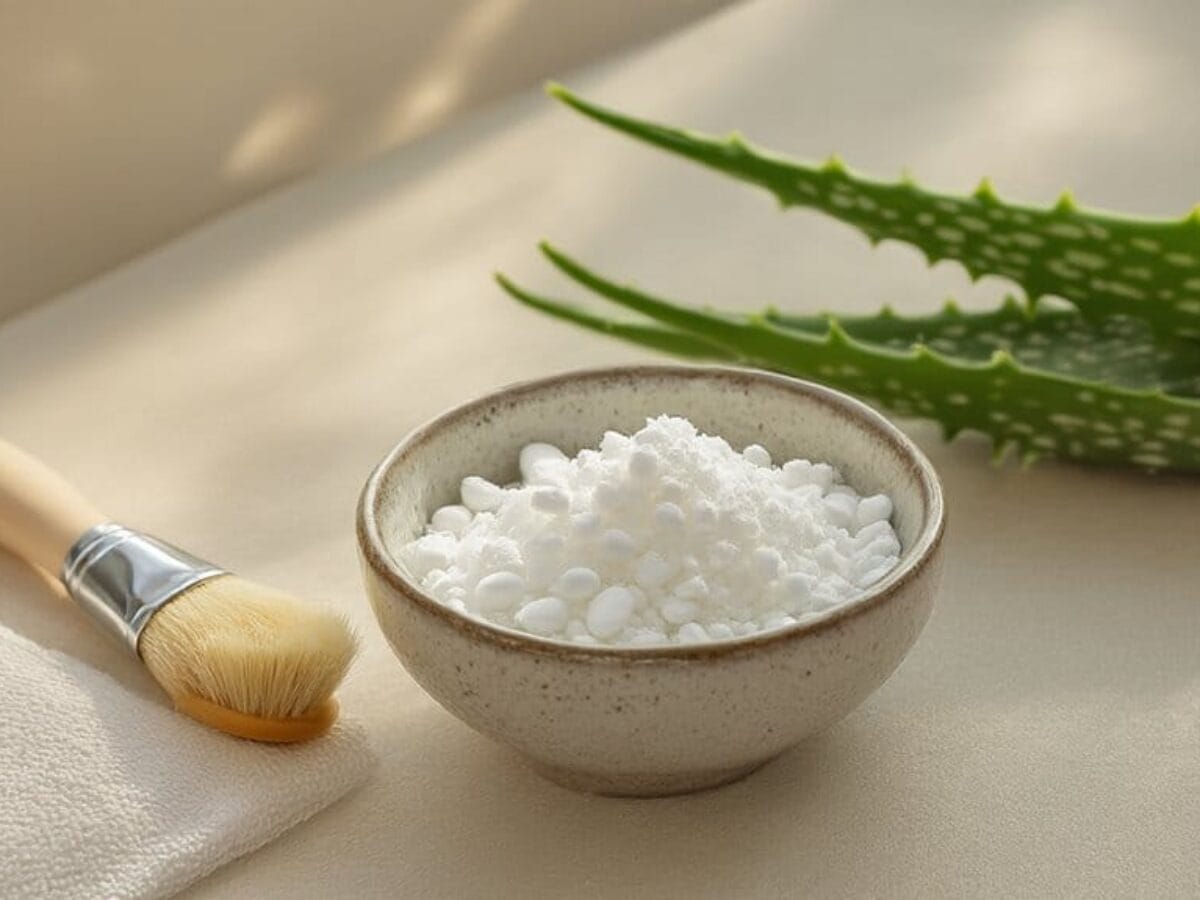
- Grab a few uncoated aspirin tablets.
- Crush them into a fine powder—think of it as your secret weapon!
- Mix the powder with a splash of warm water until you create a smooth paste.
- Apply the paste directly to your pesky spots.
Leave it on for about 10–15 minutes, allowing the acetylsalicylic acid to work its magic.
Rinse thoroughly and don’t forget to follow up with a moisturizer to keep your skin happy.
Dermatologist Insights on Aspirin for Acne
After whipping up that DIY aspirin paste, it’s important to contemplate what the experts have to say about using aspirin for acne.
Dermatologists generally don’t recommend aspirin as a go-to treatment. While its विरोधी भड़काऊ गुण might sound appealing, studies show it doesn’t directly target the pesky bacteria causing your breakouts.
Instead, proven alternatives like बेंज़ोयल पेरोक्साइड and salicylic acid take the spotlight. If you’re curious about aspirin, keep it for occasional spot treatment, and don’t overdo it—too much can lead to dryness or irritation.
Alternatives to Aspirin for Effective Acne Treatment
If you’re looking for effective acne treatments beyond aspirin, you’re in luck!
Benzoyl peroxide is a powerhouse that tackles acne-causing bacteria while reducing inflammation, making it a top choice for clearer skin.
And let’s not forget सैलिसिलिक एसिड , which works wonders by exfoliating and unclogging pores—your skin will thank you!
Benzoyl Peroxide Benefits
While aspirin might be tempting as a DIY acne remedy, बेंज़ोयल पेरोक्साइड stands out as a proven powerhouse in the fight against acne. This remarkable ingredient tackles the root causes of breakouts, making it a go-to choice for clearer skin.
Here’s why you should consider it:
- Kills acne-causing bacteria, preventing future flare-ups.
- Unclogs pores by removing excess oil and dead skin cells.
- Reduces inflammation, soothing angry, red pimples.
- Boosts skin turnover, helping to fade acne scars faster.
Using benzoyl peroxide can help you regain your confidence and show off your radiant skin.
Just remember to start with a lower concentration to avoid dryness, and always moisturize afterward for the best results!
Salicylic Acid Effectiveness
जब निपटने की बात आती है मुँहासा , सैलिसिलिक एसिड emerges as a superstar alternative to aspirin, ready to take on even the most stubborn breakouts.
This powerful ingredient works by exfoliating your skin, unclogging pores, and reducing excess oil production. With concentrations ranging from 0.5% to 10%, you can find the perfect match for your skin type.
Unlike aspirin, which merely soothes inflammation, salicylic acid directly targets the root causes of acne, including pesky bacteria.
Plus, you can enjoy the benefits from salicylic acid peels, which can reach concentrations as high as 30%.
अक्सर पूछे जाने वाले प्रश्न
Can Aspirin Help With Acne Scars?
Aspirin isn’t effective for treating acne scars. While it has anti-inflammatory properties, it doesn’t target scar tissue. For scar treatment, consider proven options like retinoids, chemical peels, or consult a dermatologist for personalized advice.
Is Topical Aspirin Safe for Sensitive Skin?
Topical aspirin isn’t ideal for sensitive skin. It can cause dryness, irritation, and redness. If you have sensitive skin, consider safer alternatives like salicylic acid or consult a dermatologist for personalized advice.
How Often Can I Use Aspirin for Acne?
You can use aspirin for acne sparingly, ideally as a spot treatment, about once or twice a week. Overuse may lead to skin dryness and irritation, so monitor your skin’s reaction closely.
Can I Mix Aspirin With Other Acne Treatments?
You can mix aspirin with other acne treatments, but be cautious. Combining products may increase irritation. Always patch-test first, and consult a dermatologist to guarantee compatibility and effectiveness for your specific skin type.
Will Aspirin Work for Hormonal Acne?
No, aspirin isn’t effective for hormonal acne. While it has anti-inflammatory properties, it doesn’t target hormonal triggers or bacteria. Stick to proven treatments like salicylic acid or consult a dermatologist for better options.
अंतिम विचार
Incorporating aspirin into your skincare routine can be a game-changer for tackling pesky pimples. Its विरोधी भड़काऊ गुण help calm redness and irritation, giving your skin a fighting chance against breakouts. Just remember to follow up with a moisturizer to keep your skin hydrated and happy! While aspirin is a handy DIY solution, don’t forget to explore other treatments that might suit your skin better. Clear skin is just a paste away—give it a try and see the difference!