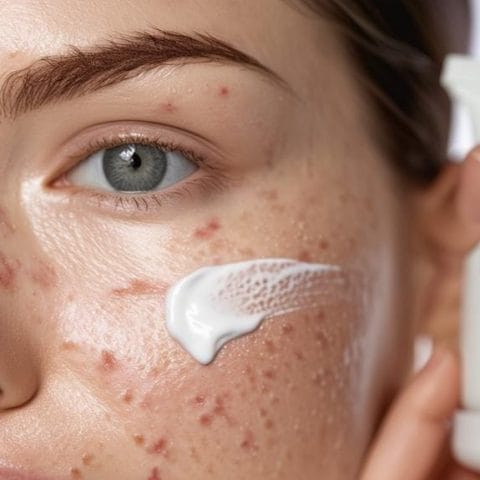
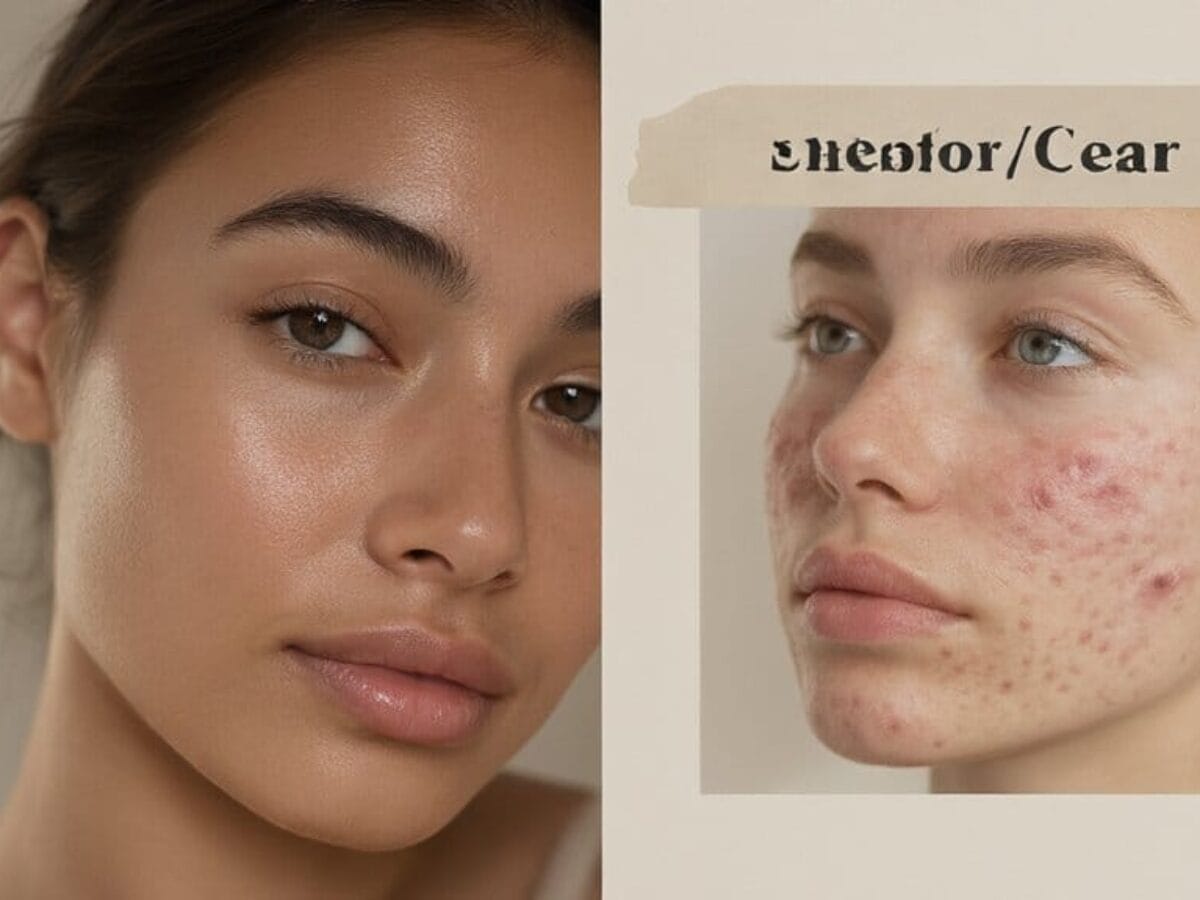
If you’ve struggled with acne scars, you’re not alone, and there’s hope on the horizon. रेटिनॉल could be your skin’s new best friend. This powerhouse ingredient works by speeding up सेल टर्नओवर and boosting collagen production, leading to smoother, more even skin. But how exactly does it transform your healing journey? And what should you know before incorporating it into your routine? Let’s explore the details that could change your skincare game.
चाबी टेकअवे
- Embrace retinol: Start incorporating retinol into your skincare routine to boost cell turnover and accelerate the healing of acne scars. Gradually introduce it into your regimen for optimal results.
- Stimulate your skin: Enhance your skin’s texture by combining retinol with glycolic acid. This powerful duo can significantly improve the appearance of scars, so consider adding glycolic acid to your routine.
- Be patient with your skin: If you experience initial dryness, know that it’s a normal part of the adjustment process. Keep your skin moisturized and give it time to adapt for the best results.
- Seek professional guidance: Consult a dermatologist for personalized advice tailored to your unique skin type and scar severity. This step can empower you to create a targeted plan for your skincare journey.
- अपनी प्रगति का जश्न मनाएं : Take photos to document your skin’s transformation as you use retinol. Tracking your progress can motivate you to stay committed to your skincare routine and celebrate the improvements along the way.
Understanding Retinol and Its Mechanism in Skin Repair
जब आप इसके बारे में सोचते हैं skin repair, रेटिनॉल might just be your new best friend! This powerhouse ingredient accelerates cell turnover, allowing your skin to regenerate and renew faster than ever. Incorporating a retinol niacinamide serum can further enhance these benefits, providing additional hydration and nourishment.
By stimulating कोलेजन उत्पादन , retinol helps improve the structural integrity of your skin, essential for healing acne scars. It also reduces the activity of matrix metalloproteinases (MMPs), preventing excessive collagen breakdown that can worsen scarring.
Stimulating collagen production, retinol enhances skin’s structure, crucial for healing acne scars and preventing excessive collagen breakdown.
Plus, retinol enhances epidermal re-epithelialization, smoothing your skin texture and minimizing scar depth. And let’s not forget its role in pigment dispersion, reducing post-inflammatory hyperpigmentation.
With retinol in your skincare routine, you’re not just treating scars; you’re also giving your skin the TLC it deserves! Additionally, incorporating the best retinol skincare products can enhance the effectiveness of your treatment. So, why not give it a try?
Clinical Evidence Supporting Retinol for Acne Scars
When it comes to treating acne scars, the clinical evidence for retinol is pretty compelling.
Studies show that using retinoids not only enhances skin texture but can also lead to महत्वपूर्ण सुधार in scar appearance, especially when combined with other therapies. Additionally, the use of luxury retinol skincare products is gaining popularity for their effectiveness and formulation quality.
You’re not just getting temporary relief; long-term treatment outcomes indicate that retinol can help keep those stubborn scars at bay while promoting healthier skin overall. Additionally, incorporating a premium retinol serum into your skincare routine can further amplify these effects.
Clinical Study Findings
As you explore the clinical evidence surrounding retinol for acne scars, you’ll discover a wealth of studies that highlight its impressive efficacy.
Research shows that retinol not only improves skin texture but also greatly reduces scar visibility.
Consider these remarkable findings:
- A combination of retinoic acid and glycolic acid led to a 91.4% improvement in acne scars after just 12 weeks.
- Adapalene 0.3% boosted collagen deposition, enhancing skin texture and reducing scarring over 24 weeks.
- Tazarotene gel 0.1% proved to be as effective as microneedling in treating scars, all while preventing new acne flares.
These studies demonstrate that retinol is a powerful ally in your journey to smoother, healthier skin.
Embrace the transformation!
Efficacy of Combination Therapies
While single treatments can be effective on their own, combining retinol with other therapeutic agents can take your acne scar treatment to the next level. Studies reveal impressive results when retinol is paired with glycolic acid, showing a 91.4% improvement in just 12 weeks. Similarly, trifarotene has proven effective against atrophic scars. Here’s a quick look at some powerful combinations:
| योग | Improvement Rate | Duration |
|---|---|---|
| Retinol + Glycolic Acid | 91.4% | 12 weeks |
| Adapalene + Retinol | 1-2 grade improvement | 24 weeks |
| Tazarotene + Microneedling | Comparable efficacy | 6 months |
| Trifarotene + Other Agents | Significant reduction | Varies |
These combinations not only enhance results but also create a more thorough approach to your skin’s healing journey.
Long-Term Treatment Outcomes
Long-term treatment outcomes for acne scars using retinol are nothing short of impressive. Clinical studies show that consistent use yields remarkable improvements, making it a go-to choice for many.
यहाँ आप क्या उम्मीद कर सकते हैं:
- Significant scar reduction: Research highlights up to 91.4% improvement in scars with combination therapies.
- Enhanced skin texture: You’ll likely notice smoother skin as collagen production ramps up, transforming those pesky scars.
- Decreased hyperpigmentation: Retinol helps lighten post-inflammatory marks, giving your skin a more even tone.
With these benefits, retinol not only targets scars but also improves समग्र त्वचा स्वास्थ्य .
Retinol’s Role in Reducing Post-Inflammatory Hyperpigmentation
If you’re struggling with post-inflammatory hyperpigmentation (PIH) after acne breakouts, retinol might just be your new best friend. It works by speeding up skin cell turnover and dispersing melanin, which helps lighten those stubborn dark spots. Clinical studies even show that patients experience significant reductions in pigmentation, making retinol a powerhouse in improving your skin’s tone and texture! Additionally, incorporating salicylic acid serums into your routine can complement retinol’s effects by targeting acne scars more effectively.
Mechanism of Pigment Reduction
Retinol’s ability to reduce post-inflammatory hyperpigmentation (PIH) is quite impressive and deserves a closer look.
It works wonders by promoting skin cell turnover and dispersing melanin, which helps fade those pesky dark spots .
Here’s how it does its magic:
- Accelerates epidermal turnover, helping your skin renew itself faster.
- Enhances melanin dispersion, leading to a more even skin tone.
- Improves overall skin texture, making scars less noticeable.
Clinical Study Outcomes
When it comes to tackling post-inflammatory hyperpigmentation (PIH), clinical studies have shown that रेटिनॉल plays a pivotal role in transforming skin tone and texture.
In fact, a combination of retinoic acid and ग्लाइकोलिक एसिड led to an impressive 91.4% improvement in acne scars after just 12 weeks!
Adapalene gel also shined, reducing pigmentation effectively, especially in darker skin types.
Long-term use of tretinoin showed significant lightening of hyperpigmented lesions compared to vehicle treatments, offering hope for uneven skin tones.
With retinoids working to disperse melanin while improving scars, you can enjoy the dual benefits of clearer skin.
Advantages of Retinoids Over Procedural Treatments
While many people seek quick fixesके लिए acne scars through procedural treatments, retinoids offer a compelling, non-invasive alternative that can transform your skin right from the comfort of your home.
These topical treatments not only help reduce scars but also prevent new acne breakouts. Here are some advantages of choosing retinoids:
- Cost-effective: You won’t need to spend on expensive procedures.
- Convenient: Apply them in your daily routine without the hassle of appointments.
- Minimal side effects: With just mild dryness and scaling, they’re easier to tolerate than invasive treatments.
Safety and Tolerability of Retinol in Acne Scar Treatment
चुनने retinoids as your go-to solution for acne scars not only offers convenience but also brings up important considerations around safety and tolerability.
While these powerful agents can transform your skin, they may cause initial dryness, peeling, or mild redness. But don’t worry—these side effects usually fade as your skin adjusts!
Powerful retinoids can rejuvenate your skin, but expect some initial dryness and redness as your skin adjusts.
It’s essential to introduce retinol gradually, especially if you have sensitive skin . Pairing it with gentle products can enhance its effectiveness but might also up the irritation factor.
And remember, your skin might become more sensitive to the sun, so slather on that प्रतिदिन सनस्क्रीन !
With proper care and professional guidance, you can enjoy the benefits of retinol while keeping your skin safe and healthy.
Tips for Effective Retinol Usage
तक लाभ को अधिकतम करें of retinol in your quest for clearer skin, it’s crucial to follow a few essential tips that can enhance its effectiveness and minimize potential side effects.
Start slow—apply retinol once or twice a week, then gradually increase usage as your skin adjusts.
- Always apply it at night, allowing your skin to recover while you sleep.
- Use a gentle cleanser and moisturizer to combat dryness and irritation.
- Don’t forget sunscreen during the day; retinol can make your skin more sensitive to the sun.
Combining Retinol With Other Treatments for Enhanced Results
संयोजन रेटिनॉल with other treatments can supercharge your त्वचा की देखभाल की दिनचर्या , leading to even more impressive results in the battle against acne scars.
For instance, using ग्लाइकोलिक एसिड alongside retinol can enhance cell turnover and promote a smoother skin texture. This combination helps reduce scar depth while preventing new breakouts.
You might also consider pairing retinol with microneedling, which can boost कोलेजन उत्पादन and improve overall skin appearance.
Just remember to introduce these treatments gradually to minimize irritation. Always consult a dermatologist to tailor your regimen to your skin’s unique needs.
With the right combo, you’ll not only tackle those pesky scars but also reveal a fresher, healthier complexion. Your skin will thank you!
Emerging Trends in Retinoid Therapy for Acne Scars
As new research uncovers the potential of retinoids in treating acne scars, you might find yourself excited about the latest developments that could revolutionize your skincare routine.
Here are some emerging trends in retinoid therapy:
- Fourth-generation retinoids like trifarotene are showing promise for enhanced efficacy and tolerability, specifically targeting atrophic scars.
- Combination therapies integrating retinoids with agents like glycolic acid are under investigation to optimize results, potentially supercharging your scar treatment.
- Molecular research is revealing how retinoids modulate collagen synthesis, paving the way for more effective and customized treatments.
These exciting advancements signal a bright future for retinoid therapy, making your journey towards साफ त्वचा more effective and enjoyable than ever before!
Personalized Approaches to Retinol Treatment
जब आप इसके बारे में सोचते हैं retinol treatment for acne scars, it’s essential to realize that a one-size-fits-all approach doesn’t cut it. You need to take into account your त्वचा का प्रकार , scar severity, and even your unique genetic makeup.
For some, starting with a lower concentration of retinol can help ease any irritation, while others might benefit from a stronger formula right away. It’s all about finding that sweet spot.
Combining retinol with other treatments, like glycolic acid, can amplify results, but be cautious about irritation. Regular consultations with a dermatologist can guarantee your regimen is tailored just for you.
In this journey, patience is key, as वैयक्तिकृत दृष्टिकोण can lead to transformative results, making your skin healing truly unique.
अक्सर पूछे जाने वाले प्रश्न
रेटिनॉल से परिणाम देखने में कितना समय लगता है?
You can typically see results from retinol within 4 to 12 weeks. Initial improvements may include smoother texture and reduced pigmentation, but full benefits often require consistent use over several months. Patience is key!
Can Retinol Be Used on Sensitive Skin?
Yes, you can use retinol on sensitive skin, but start slowly. Gradually introduce it to avoid irritation. Monitor your skin’s reaction, and consider consulting a dermatologist for personalized advice and suitable formulations.
Is Retinol Safe During Pregnancy or Breastfeeding?
Retinol isn’t considered safe during pregnancy or breastfeeding due to potential risks to the developing fetus or infant. It’s best to consult your healthcare provider for suitable alternatives that guarantee both your safety and skin health.
How Should I Store My Retinol Products?
Store your retinol products in a cool, dark place, away from direct sunlight and humidity. Make sure the cap is tightly closed to maintain potency, and avoid using them near heat sources for ideal effectiveness.
Can I Use Retinol With Other Acne Treatments?
Yes, you can use retinol with other acne treatments, but it’s best to introduce them gradually. Combining products like glycolic acid can enhance results, but be cautious of potential irritation and consult your dermatologist for guidance.
अंतिम विचार
Incorpo rating रेटिनॉल into your skincare routine can truly revolutionize your approach to acne scars. Its ability to speed up cell turnover and boost collagen production makes it a powerhouse in achieving smoother, more even skin. With consistent use and the right combinations, you can see remarkable improvements without resorting to invasive procedures. So, why wait? Embrace the परिवर्तनकारी शक्ति of retinol and take a confident step toward revitalizing your skin’s health and appearance!