Peeling skin on your face can be frustrating, but don’t worry—there are natural remedies to help restore your skin’s health. From hydrating coconut oil to soothing aloe vera, these solutions are not only effective but also gentle on your skin. You’ll discover masks that provide intensive hydration and tips for gentle exfoliation. Curious about how to combine these treatments for the best results? Let’s explore the most effective remedies together.
Key Takeaway
- Embrace coconut oil as your go-to moisturizer to deeply nourish and hydrate your peeling skin. Apply it daily to experience its soothing effects.
- Soothe your skin with aloe vera, which calms irritation without a greasy feel. Keep a fresh leaf handy for quick applications whenever your skin needs relief.
- Whip up a nourishing mask with equal parts shea butter and honey to rejuvenate your skin. Treat yourself to this pampering session at least once a week for visible results.
- Refresh your complexion by using a cooling cucumber and aloe vera mask. This delightful combo will hydrate and rejuvenate your skin, giving you that refreshing glow.
- Prioritize a balanced diet and hydration to support your skin’s health from the inside out. Drink plenty of water and include skin-loving foods in your meals for a lasting impact.
Gentle Cleansing Methods for Sensitive Skin
When you’re dealing with peeling skin, the last thing you want to do is aggravate it with harsh cleansers.
Opt for fragrance-free, mild cleansers that won’t strip your skin of its natural oils. Antibacterial soaps and alcohol-laden products are your skin’s worst enemies in this situation—avoid them like the plague! Additionally, using a moisturizing body lotion can help replenish lost hydration and improve skin texture.
Instead, go for gentle formulas that clean without excessive lather, reducing irritation. Remember, lukewarm water is your friend; it minimizes stress on sensitive skin.
With your gentle cleanser in hand, you can effectively remove buildup while keeping dryness at bay. Incorporating hyaluronic acid and niacinamide can also help soothe and hydrate peeling skin.
Moisturizers With Hydrating Ingredients
To combat peeling skin effectively, you need moisturizers packed with hydrating ingredients that work wonders on dryness.
Look for products containing hyaluronic acid and glycerin, which draw moisture into your skin, leaving it plump and happy. Additionally, consider incorporating a luxury hyaluronic acid serum that enhances hydration levels and provides a boost of nourishment. Using a premium hyaluronic acid serum can significantly improve your skin’s texture and hydration.
Seek out moisturizers enriched with hyaluronic acid and glycerin to infuse your skin with hydration and keep it blissfully plump.
Shea butter and lactic acid not only hydrate but also soothe irritation, making your skin feel soft and revitalized.
Dimethicone forms a protective barrier, sealing in moisture for lasting hydration.
Don’t forget occlusive agents like lanolin and mineral oil; they’re fantastic at locking in that precious moisture.
Choose fragrance-free formulations to avoid irritating your already sensitive skin.
For the best results, apply these moisturizers to damp skin right after cleansing.
Your face will thank you as it transforms from parched to perfectly hydrated!
Natural Plant-Based Remedies for Deep Hydration
If you’re looking to hydrate your peeling skin naturally, you’re in for a treat!
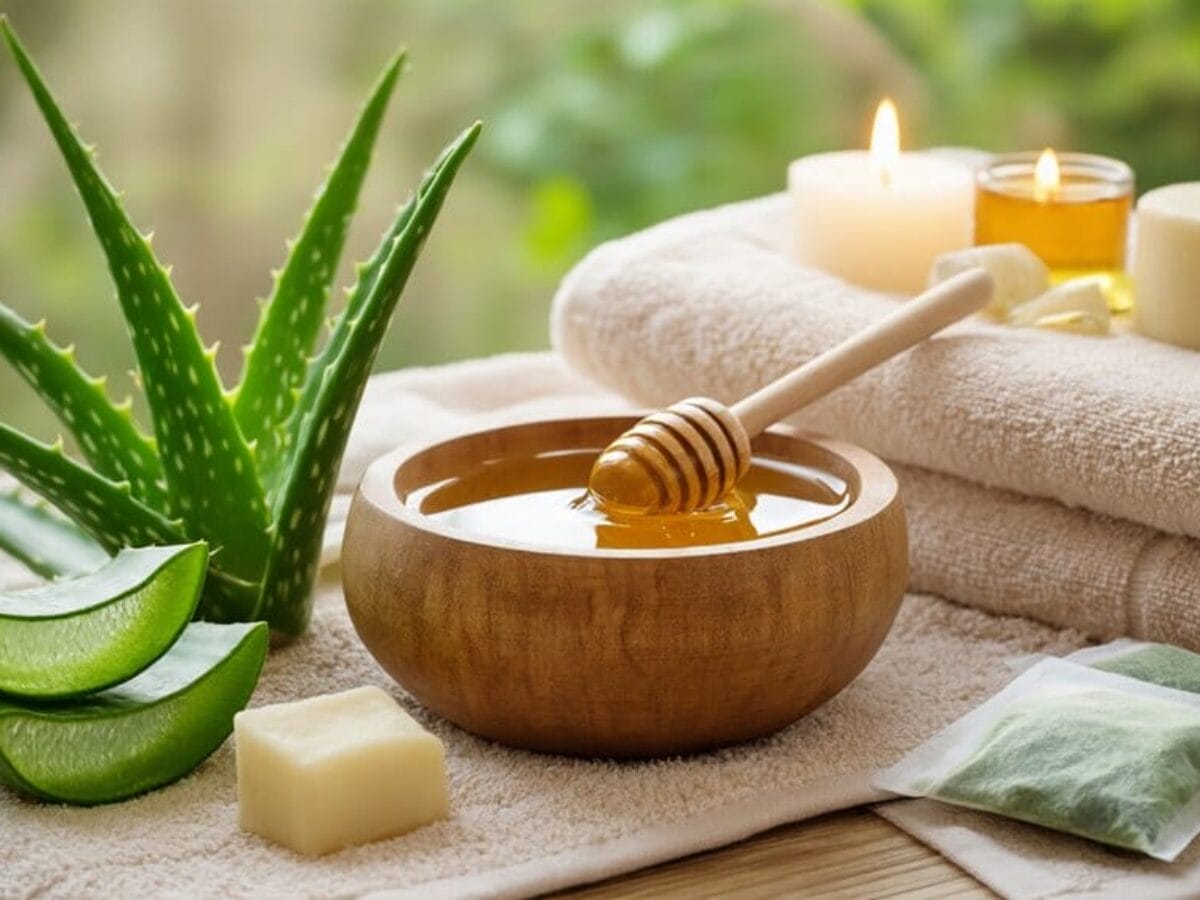
Coconut oil is a superstar, providing deep moisture while nourishing your skin, and aloe vera works wonders by soothing irritation without feeling greasy.
Plus, an avocado face mask combined with olive oil can transform your skincare routine into a luxurious spa experience right at home! To enhance your hydration, consider incorporating a luxury eczema moisturizer that can help maintain moisture levels throughout the day.
Coconut Oil Benefits
Coconut oil is a powerhouse in the world of natural skincare, and it’s especially beneficial for deep hydration of peeling skin. Its rich, moisturizing properties make it a go-to remedy for restoring your skin’s softness and elasticity.
When you apply coconut oil, it creates a protective barrier, locking in moisture and preventing further dryness. Plus, it’s packed with antioxidants that promote healing and reduce inflammation.
- It soothes irritated skin, making it feel more comfortable.
- The fatty acids in coconut oil nourish your skin, enhancing overall texture.
- It’s versatile—use it alone or mix it with your favorite essential oils for an extra boost!
Embrace coconut oil in your routine for a radiant, hydrated complexion!
Aloe Vera Properties
Aloe vera stands out as another superstar in the domain of natural skincare, especially for those battling peeling skin. This succulent plant is packed with vitamins and minerals that hydrate your skin deeply.
Its gel-like consistency provides lightweight moisture, making it perfect for soothing redness and irritation without leaving a greasy residue. When you apply aloe vera, you’re not just slathering on a moisturizer; you’re treating your skin to a cocktail of antioxidants that promote healing.
Plus, its anti-inflammatory properties can help calm any discomfort you might feel. So, whether you’re facing sunburn or dryness, aloe vera is your go-to companion for restoring that radiant glow and keeping peeling skin at bay.
Why not give it a try? Your skin will thank you!
Avocado Face Mask
Looking for an ultra-hydrating treat for your skin? The avocado face mask is your answer! Packed with healthy fats and nutrients, it deeply nourishes your skin, making it feel soft and revitalized.
Here’s why you should whip up this delicious mask:
- Rich in Vitamins: Avocados deliver vitamins E and C, promoting healing and hydration.
- Natural Moisturizer: The healthy fats in avocados help lock in moisture, reducing peeling.
- Soothing Properties: This mask calms irritation, perfect for dry, sensitive skin.
To make it, mash a ripe avocado, mix in a bit of olive oil, and apply. Leave it on for 15-20 minutes, then rinse off.
Your skin will thank you for this tasty pampering session!
Mask Treatments for Intensive Hydration
If your skin is feeling parched and peeling, mask treatments can bring the hydration you need!
Picture yourself relaxing with a cooling cucumber and aloe vera mask, or indulging in a nourishing shea butter and honey blend that works wonders on dry patches.
Let’s explore these invigorating options that not only soothe but also rejuvenate your skin, leaving it soft and revitalized!
Cucumber and Aloe Vera
When it comes to quenching your skin’s thirst, cucumber and aloe vera are a dynamic duo that can work wonders. These natural ingredients provide intense hydration, making them perfect for treating peeling skin.
Apply a mask made from pureed cucumber and aloe vera gel for about 15 minutes to let your skin soak up the moisture.
- Cucumber cools and invigorates, reducing puffiness.
- Aloe vera soothes irritation and promotes healing.
- Together, they create a lightweight, hydrating mask that won’t clog pores.
This revitalizing combination not only hydrates but also revitalizes your complexion, leaving your skin feeling soft and rejuvenated.
Shea Butter and Honey
After enjoying the revitalizing benefits of cucumber and aloe vera, it’s time to elevate your skincare routine with the nourishing power of shea butter and honey.
This dynamic duo creates a luxurious mask that delivers intensive hydration, perfect for combating peeling skin. Shea butter, rich in fatty acids, deeply moisturizes and restores your skin’s barrier, while honey offers natural antibacterial and anti-inflammatory properties.
Simply mix equal parts shea butter and honey, apply it generously to your clean face, and let it work its magic for about 20 minutes. Rinse with lukewarm water and feel the difference!
You’ll love how soft and rejuvenated your skin feels, making this mask a must-have in your skincare arsenal. Hydration never felt so good!
Milk and Turmeric Masks
Milk and turmeric masks are a fantastic way to elevate your skincare routine and tackle peeling skin. These natural ingredients combine to hydrate, soothe, and nourish your face, making them a must-try!
Here’s what makes them special:
- Milk’s lactic acid gently exfoliates, removing dead skin cells while keeping your skin soft.
- Turmeric’s anti-inflammatory properties help reduce redness and irritation, giving your skin a brighter appearance.
- Together, they create a hydrating mask that feels luxurious and revitalizing—who doesn’t love a little pampering?
To use, mix equal parts of milk and turmeric, apply for 15-20 minutes, and rinse off. Your skin will thank you for this delightful treat, leaving it looking radiant and rejuvenated!
Gentle Exfoliation Techniques to Remove Flaking
Gentle exfoliation techniques can be a game-changer when it comes to removing flaking skin without causing further irritation. You can use a soft washcloth or a shower mitt with lukewarm water to lightly buff away dead skin.
Just remember, no aggressive scrubbing! Instead, focus on soothing methods like milk-based treatments, which harness lactic acid’s gentle exfoliating power. Avoid harsh products like alpha hydroxy acids and alcohol, as they can worsen the situation.
And whatever you do, resist the urge to pick at peeling skin—trust me, it’ll only lead to more damage. By embracing these gentle techniques, you’ll reveal fresh, healthy skin underneath, making you feel rejuvenated and ready to glow!
Identifying and Treating Underlying Causes of Peeling
When it comes to peeling skin, understanding the root causes can make all the difference in your treatment approach. Identifying what’s behind your peeling can lead you to the right solution, ensuring you address the issue effectively.
- Fungal infections may require antifungal medications from your healthcare provider.
- Conditions like eczema and psoriasis often need specialized treatments beyond simple hydration.
- Sometimes, medications for acne can cause peeling, so a dermatologist’s input is essential.
Don’t ignore the signs your skin is giving you. By tackling these underlying issues, you’ll pave the way for healthier, happier skin.
Lifestyle Changes for Healthy Skin Recovery
To achieve healthy skin recovery, you don’t just need a solid skincare routine; you also have to make some lifestyle changes that can significantly impact your skin’s health.
Start by staying hydrated—drinking plenty of water keeps your skin plump and reduces dryness. Incorporate a balanced diet rich in antioxidants, vitamins, and healthy fats; think avocados and berries, not just pizza!
Stay hydrated and eat a balanced diet rich in antioxidants for plump, glowing skin!
Don’t forget to manage stress, as it can wreak havoc on your skin. Aim for good sleep; your skin regenerates while you snooze.
Finally, protect your skin from the sun with SPF, even on cloudy days. These simple lifestyle tweaks can make a real difference, helping your skin recover and glow like never before!
Frequently Asked Questions
Can Weather Changes Cause Peeling Skin on the Face?
Yes, weather changes can cause your face to peel. Factors like cold winds or dry air strip moisture from your skin, leading to dryness and flakiness. Staying hydrated and using gentle moisturizers can help.
How Often Should I Apply Moisturizer for Best Results?
You should apply moisturizer at least twice daily—once in the morning and once at night. If your skin feels particularly dry, don’t hesitate to reapply throughout the day for ideal hydration and comfort.
Are There Specific Foods That Help Improve Skin Hydration?
Yes, certain foods can boost skin hydration. Incorporate avocados, walnuts, fatty fish, and cucumbers into your diet. These nutrient-rich options help retain moisture, promoting a healthier, more hydrated complexion. Stay hydrated with plenty of water too!
How Can I Prevent Peeling Skin in the Future?
To prevent peeling skin, keep your skin moisturized daily, use gentle cleansers, and avoid harsh products. Hydrate well, protect against sun damage, and consider your environment to maintain skin’s health and barrier integrity.
Is It Safe to Use Makeup on Peeling Skin?
It’s best to avoid makeup on peeling skin. It can exacerbate irritation and hinder healing. Instead, focus on gentle care and hydrating treatments to restore your skin’s health before applying any products.
Final Thoughts
Incorporating these natural remedies into your skincare routine can transform peeling skin into a canvas of health and vibrancy! With gentle cleansing, hydrating masks, and a touch of nature’s magic, you’ll be on your way to a revitalized complexion. Don’t forget to keep an eye on those underlying causes; they’re key to lasting results. Embrace these strategies, and your skin will thank you with a glow that radiates confidence. Happy healing!