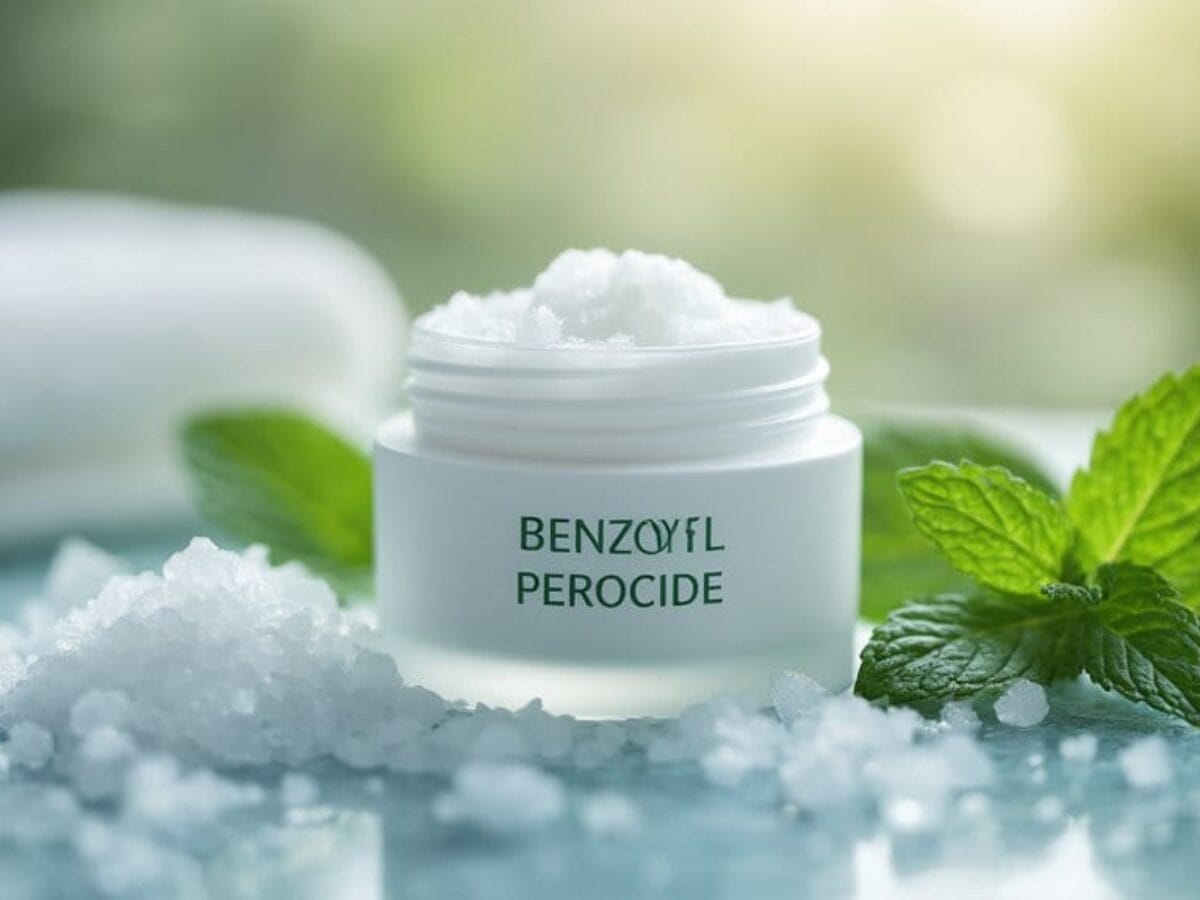
When it comes to benzoyl peroxide, many folks wonder if it’s really an exfoliant or just another acne-fighting ingredient. Sure, it helps with skin cell turnover, but its real magic lies in its antibacterial and anti-inflammatory powers. You might be surprised to learn how it clears pores and prevents breakouts, but there’s more beneath the surface. Let’s unpack the true nature of benzoyl peroxide and see what it can really do for your skin!
Key Takeaway
- Embrace Benzoyl Peroxide for its skin-loving benefits! Start by incorporating it into your routine to enhance skin cell turnover and help keep those pesky pores clear of acne.
- Loosen up! Use products containing Benzoyl Peroxide to gently break down built-up debris and excess oil on your skin’s surface, revealing a fresher, clearer complexion.
- Remember, it’s not your typical exfoliant! While it aids in exfoliation by targeting comedones, complement it with a gentle physical exfoliant for an all-around glow.
- Harness its antibacterial power! By reducing acne-causing bacteria, Benzoyl Peroxide offers a smart way to combat breakouts without worrying about antibiotic resistance.
- Proceed with care! If you’re new to Benzoyl Peroxide, start with lower concentrations and gradually increase to avoid irritation and dryness—your skin will thank you for it!
- Stay consistent and patient! Give your skincare routine time to show results, and don’t hesitate to consult a dermatologist if you have any concerns or need personalized advice.
Understanding Benzoyl Peroxide’s Mechanism of Action
Plunge into the science behind benzoyl peroxide, and you’ll uncover a powerful ally in the fight against acne! When it touches your skin, it breaks down into benzoic acid and oxygen.
This oxygen creates an inhospitable environment for acne-causing bacteria, effectively reducing their numbers. Plus, free radicals from benzoyl peroxide oxidize bacterial proteins, leading to their demise. Additionally, many salicylic acid benzoyl peroxide products combine these two ingredients for enhanced effectiveness.
But that’s not all; it also increases the turnover rate of your skin cells, promoting peeling and shedding of dead skin. By breaking down comedones and loosening skin debris, benzoyl peroxide helps keep your pores clear. Additionally, it’s crucial to note that benzoyl peroxide acne treatment can vary in concentration, impacting its effectiveness and potential side effects.
Antibacterial Properties of Benzoyl Peroxide
When it comes to tackling acne, benzoyl peroxide shines as a formidable antibacterial agent. It works wonders by releasing oxygen, creating an inhospitable environment for Cutibacterium acnes—the bacteria responsible for acne.
Benzoyl peroxide is a powerful antibacterial treatment that effectively targets acne-causing bacteria by creating an oxygen-rich, hostile environment.
In fact, after just two weeks of use, you could reduce bacterial load in your hair follicles by up to 98%! This powerful ingredient is found in many benzoyl peroxide skincare products designed to target acne effectively.
What’s even better? Benzoyl peroxide doesn’t lead to antibiotic resistance, making it a reliable choice for both inflammatory and non-inflammatory acne lesions.
It disrupts bacterial protein function, effectively killing the bacteria without harming your skin. Additionally, various benzoyl peroxide treatment products are available to maximize its effectiveness in your skincare routine.
The Exfoliation and Keratolytic Effects
As you commence your journey to clearer skin, you’ll discover that benzoyl peroxide isn’t just an antibacterial powerhouse—it also boasts impressive exfoliation and keratolytic effects.
By increasing your skin’s cell turnover, it encourages the shedding of dead skin cells, keeping your pores clear and preventing those pesky comedones from forming. You’ll notice that it helps to loosen built-up debris and excess sebum, which can be a game-changer for managing acne.
While its keratolytic activity is mild, it’s still significant enough to aid in your treatment plan. Think of it as a gentle nudge for your skin to renew itself. Additionally, incorporating benzoyl peroxide skin care into your routine can enhance the overall effectiveness of your acne treatment.
With regular use, you’ll find your complexion looking fresher and smoother, making this ingredient a fantastic ally in your skincare arsenal!
Anti-inflammatory Benefits of Benzoyl Peroxide
When you use benzoyl peroxide, you’re not just fighting acne; you’re also tackling inflammation head-on.
This powerhouse ingredient reduces redness and swelling, making those pesky inflammatory lesions like pustules and papules easier to manage.
Plus, its antibacterial action works hand-in-hand with its anti-inflammatory benefits, giving you a double whammy against breakouts!
Reducing Inflammation and Redness
Benzoyl peroxide isn’t just a powerful weapon against acne; it also works wonders in reducing inflammation and redness associated with breakouts. This amazing ingredient helps calm your skin by decreasing the production of pro-inflammatory cytokines.
As it targets those pesky acne-causing bacteria, it simultaneously soothes the irritated skin around your blemishes. You’ll notice less swelling and redness, making your skin look healthier and more balanced.
Plus, its mild sebostatic effect means it can help regulate oil production, which contributes to a calmer complexion.
Controlling Inflammatory Lesions
While battling pesky acne, you might find yourself facing the additional challenge of inflammatory lesions like pustules and papules.
Fortunately, benzoyl peroxide can help you tackle these troublesome spots effectively. Here’s how it works:
- Reduces pro-inflammatory cytokines, lowering redness and swelling.
- Decreases the severity of inflammatory lesions, promoting clearer skin.
- Offers a mild sebostatic effect, reducing excess oil that can worsen inflammation.
- Combines antibacterial properties to target acne-causing bacteria.
Synergistic Effects With Antibacterial
By effectively targeting acne-causing bacteria, benzoyl peroxide doesn’t just attack the problem from one angle; it creates a powerful synergy with its anti-inflammatory properties. This combination helps reduce redness, swelling, and the overall severity of acne lesions. You’ll appreciate how benzoyl peroxide efficiently lowers the bacterial load while calming inflamed skin.
Here’s a quick overview of the synergistic effects:
| Effect | Description |
|---|---|
| Antibacterial Action | Kills up to 98% of acne-causing bacteria |
| Inflammation Control | Reduces redness and swelling |
| Skin Turnover | Increases exfoliation for clearer skin |
| Cytokine Reduction | Lowers production of pro-inflammatory cytokines |
| Sebostatic Effect | Reduces excess oil production |
With this dynamic duo, you’re one step closer to clearer, healthier skin!
Various Formulations and Their Usage
When it comes to treating acne, choosing the right formulation of benzoyl peroxide can make all the difference in your skincare routine.
Different options are available, and knowing how to use them effectively is key. Here’s a quick guide to help you decide:
- Washes: Great for daily cleansing, but mightn’t provide intense treatment.
- Gels: Lightweight and absorb quickly, ideal for targeted applications.
- Creams: Offer hydration along with treatment, perfect for those with dry skin.
- Spot Treatments: Effective for quick fixes; just apply directly to blemishes.
Common Side Effects and Considerations
Using benzoyl peroxide can work wonders for your acne, but it’s essential to be aware of potential side effects and considerations.
You might experience skin irritation, dryness, and peeling, especially with higher concentrations. Remember, your skin may become more sensitive to the sun, so sunscreen is a must!
Be mindful of skin irritation and dryness when using higher concentrations, and don’t forget your sunscreen!
If you have sensitive skin, consult a dermatologist before diving in. The irritation you feel can be dose-dependent, meaning that starting with a lower concentration might save you some discomfort.
Most of the product is metabolized in your skin, so systemic absorption isn’t a big concern. Just keep an eye on how your skin reacts, and adjust your usage accordingly.
Your journey to clearer skin should be smooth, not a rollercoaster!
Comparing Benzoyl Peroxide to Traditional Exfoliants
While both benzoyl peroxide and traditional exfoliants aim to improve skin health, they do so through different mechanisms that can greatly affect your acne treatment journey.
Here’s a quick comparison to help you decide:
- Mechanism: Benzoyl peroxide kills bacteria and increases cell turnover, while traditional exfoliants primarily slough off dead skin.
- Targeting Acne: Benzoyl peroxide tackles acne-causing bacteria directly; traditional exfoliants prevent clogged pores.
- Irritation: Benzoyl peroxide can cause dryness and irritation, often more than gentler exfoliants.
- Long-term Effects: With consistent use, benzoyl peroxide can minimize future breakouts, while traditional exfoliants mainly improve surface texture.
Understanding these differences helps you choose the right product for your skin type and goals.
Happy treating!
Frequently Asked Questions
Can Benzoyl Peroxide Be Used With Other Acne Treatments?
Yes, you can use benzoyl peroxide with other acne treatments. Just be cautious about combining it with products containing retinoids or AHAs, as they may increase skin irritation. Always start slowly and monitor your skin’s response.
How Long Does It Take to See Results From Benzoyl Peroxide?
You’ll typically see results from benzoyl peroxide within two to four weeks of consistent use. However, ideal improvements may take several weeks, so be patient and continue applying it as directed for best results.
Is Benzoyl Peroxide Safe for All Skin Types?
Benzoyl peroxide isn’t safe for all skin types. If you have sensitive or dry skin, you might experience irritation. It’s best to consult a dermatologist to find the right treatment for your specific skin needs.
Can I Use Benzoyl Peroxide During Pregnancy?
You shouldn’t use benzoyl peroxide during pregnancy without consulting your doctor first. While it’s effective for acne, safety for you and your baby is essential, and alternative treatments may be recommended. Always prioritize your health.
What Should I Do if I Experience Severe Irritation?
If you experience severe irritation, stop using the product immediately. Apply a gentle moisturizer to soothe your skin, and consider consulting a dermatologist for tailored advice and alternative treatments that suit your skin type.
Final Thoughts
To sum up, benzoyl peroxide isn’t just an exfoliant; it’s a powerhouse in the fight against acne! By tackling bacteria and reducing inflammation, it clears your pores effectively. While it does promote some skin cell turnover, its main strengths lie in its antibacterial and anti-inflammatory properties. So, if you’re looking for a reliable acne solution, benzoyl peroxide might just be your new best friend. Just remember to start slowly to avoid irritation—your skin will thank you!