If you’ve ever wondered why your hair seems dull or your skin feels dry, you might be missing out on biotin, the unsung hero of beauty. This essential vitamin, part of the B-complex family, is vital for vibrant hair and resilient nails. Not only does it promote growth, but it also helps keep your skin hydrated. Curious about how to boost your beauty routine with biotin? Let’s explore its benefits and how to incorporate it into your daily life.
Key Takeaway
- Embrace biotin as your new wellness companion! Incorporate biotin-rich foods like eggs, nuts, and sweet potatoes into your diet to nourish your hair, skin, and nails from within.
- Strengthen your beauty routine by considering biotin supplements if you’re experiencing hair thinning or brittle nails. Consult with a healthcare professional to ensure it’s the right choice for you.
- Stay proactive about your health! Monitor your biotin intake and address any deficiencies to prevent dry skin and other related issues, empowering you to feel your best every day.
- Celebrate your unique beauty! While biotin’s effects may vary, focusing on a balanced diet and lifestyle can significantly enhance your overall wellness and natural radiance.
- Share the love! Encourage your friends and family to prioritize their health with biotin-rich foods and supplements, fostering a supportive community dedicated to wellness and self-care.
Understanding Biotin and Its Importance
When you think about vitamins, biotin mightn’t be the first one that pops into your mind, but it plays an essential role in your body’s health, especially for your hair, skin, and nails.
Biotin, also known as vitamin B7, is a water-soluble B-vitamin that acts as a cofactor for important enzymes. These enzymes help synthesize fatty acids and amino acids, which are fundamental for overall skin and hair well-being. Additionally, premium collagen supplements can work synergistically with biotin to enhance your skin’s elasticity and hydration.
While biotin deficiency is rare, it can lead to issues like dry skin or brittle nails. Luckily, most people get enough biotin from their diet. Additionally, incorporating biotin supplements into your routine can further enhance your hair growth and skin vitality.
If you’re looking to boost your beauty routine, understanding biotin’s significance could be your first step toward healthier hair and skin.
Biotin’s Role in Hair Health
Biotin plays an essential role in maintaining your hair health, especially if you’re facing thinning or loss.
While a deficiency is rare, it can lead to noticeable issues, and supplementation might just be what you need to restore your locks. Additionally, premium collagen supplements can provide your body with the necessary proteins that promote overall hair health.
Plus, when combined with other treatments like minoxidil, biotin could enhance your hair’s thickness and density, giving you that luscious mane you’ve always wanted! Additionally, incorporating hydrolyzed collagen supplements into your routine may further support hair strength and elasticity.
Biotin Deficiency Effects
A lack of biotin can really put a damper on your hair health. Without enough biotin, you might notice thinning hair or even hair loss. This deficiency isn’t common, but when it happens, your locks can suffer. Biotin plays a crucial role in keratin production, essential for strong hair.
| Deficiency Effects | Description |
|---|---|
| Hair Thinning | Noticeable reduction in volume |
| Hair Loss | Increased shedding |
| Dullness | Lack of shine and vitality |
| Brittle Strands | Increased breakage and damage |
Supplementation and Hair Growth
For those hoping to boost their hair growth, it’s essential to contemplate the role of supplementation in achieving vibrant, healthy locks.
Biotin, a crucial B-vitamin, plays a role in keratin production, the protein that makes up your hair. While biotin deficiency is rare, it can lead to thinning and hair loss. Supplementation can improve hair quality, particularly for those with deficiencies.
However, if you’re healthy, the evidence supporting biotin’s benefits for hair growth isn’t strong. Some studies show mixed results, with no significant difference between biotin and placebo.
Combined Treatments for Alopecia
When dealing with alopecia, many people find that combining treatments can lead to better outcomes than relying on a single approach.
Biotin, known for its role in hair health, can be a game-changer when used alongside other therapies. For instance, pairing biotin with minoxidil or finasteride may boost hair density and thickness, especially in cases of androgenetic alopecia.
While some studies show mixed results for biotin alone, its synergistic effects with these treatments can enhance overall results.
The Impact of Biotin on Nail Strength
If you’ve ever struggled with brittle nails, you might want to contemplate biotin.
This powerful B-vitamin can make a real difference, especially if you’re dealing with a deficiency.
Supplementing with biotin could boost your nail strength by as much as 25%, helping you say goodbye to those frustrating splits and breaks! Additionally, many premium collagen and biotin supplements are designed to enhance overall nail health, offering a comprehensive solution for stronger nails.
Biotin Deficiency Effects
Although many people mightn’t think about biotin’s role in nail strength, a deficiency can lead to noticeably brittle nails that chip and break easily.
When you’re lacking biotin, your nails may suffer in several ways:
- Chipping: Your once-strong nails may start to break at the slightest bump, leaving you frustrated.
- Peeling: Layers of your nails could begin to separate, resembling a sad, flaky pastry.
- Thinness: Without adequate biotin, your nails might lose their thickness, making them more vulnerable to damage.
These effects can be discouraging, especially if you’ve always taken pride in your nails.
Fortunately, recognizing the role of biotin is the first step toward restoring their strength and health!
Supplementation Benefits Observed
Biotin supplementation can be a game changer for those struggling with brittle nails! If you’ve ever experienced nails that chip and break easily, you’re not alone.
Research shows that biotin can increase nail thickness by approximately 7–25% in individuals with brittle nail syndrome. This vitamin supports keratin production, the key protein that gives nails their strength.
Imagine flaunting beautiful, resilient nails instead of worrying about every little bump! While many healthy individuals may not see drastic improvements, those with underlying biotin deficiencies often report significant benefits.
So, if you’re tired of fragile nails, consider biotin supplementation. Just remember, it’s always a good idea to consult your healthcare provider before starting any new supplement regimen.
Your nails will thank you!
Exploring Biotin for Skin Wellness
When it comes to skin wellness, the spotlight often shines on vitamins and nutrients that promise glowing results. Biotin, a lesser-known gem, plays a supportive role in maintaining your skin’s health. Here’s what you should know:
- Hydration: Biotin helps keep your skin moisturized, reducing dryness and flakiness.
- Barrier Function: It contributes to a strong skin barrier, protecting against irritants and maintaining overall skin integrity.
- Healing Properties: Biotin may aid in healing rashes and dermatitis, especially in those with deficiencies.
While evidence in healthy adults is limited, many swear by biotin’s potential.
Biotin Metabolism and Its Biological Functions
Understanding how your body metabolizes biotin reveals a fascinating interplay of biological functions that support overall health.
Biotin, a water-soluble B-vitamin, acts as a cofactor for essential carboxylase enzymes involved in gluconeogenesis, fatty acid synthesis, and amino acid catabolism. These processes are critical for protein synthesis, particularly keratin, which forms the backbone of your hair and nails.
When biotin combines with holocarboxylase synthase, it activates metabolic reactions within your cells, including hair follicles. Beyond these structural roles, biotin also participates in gene regulation and maintains nervous system health.
Luckily, your regular diet usually provides enough biotin, but understanding its metabolic importance empowers you to make informed choices about your nutritional needs for vibrant hair and skin!
Clinical Evidence Supporting Biotin Supplementation
Although many people hope for miraculous hair growth and radiant skin through simple supplementation, the clinical evidence backing biotin for these purposes often paints a more nuanced picture.
Here’s what you should know:
- Biotin’s benefits shine primarily in cases of deficiency, where clear improvements in hair and nail health are observed.
- Randomized controlled trials in healthy individuals show no significant enhancement in hair growth or quality from biotin alone.
- While combining biotin with other treatments like minoxidil may boost effectiveness, the data remains inconclusive for the general population.
In essence, while biotin can work wonders for those deficient, its magic may not extend to everyone.
Safety and Recommended Dosages for Biotin
Safety and recommended dosages for biotin are hot topics, especially after exploring its mixed effectiveness in hair, skin, and nail health. Generally, biotin supplements range from 1 mg to 10 mg daily for those with deficiencies or specific conditions. You’ll be glad to know that no significant toxicity or severe side effects have been reported since biotin’s water-soluble nature allows excess to be easily excreted. However, health agencies advise caution regarding its use for cosmetic purposes in healthy individuals.
Here’s a quick reference table for you:
| Dosage (mg) | Purpose | Notes |
|---|---|---|
| 1 | General supplementation | Often sufficient for daily needs |
| 5 | Targeted for hair/nail health | Common in many over-the-counter products |
| 10 | Therapeutic use | Recommended for diagnosed deficiencies |
| 0 | Excessive intake | Usually excreted, minimal risk |
Dietary Sources of Biotin
You might be surprised to learn that a variety of delicious foods can provide you with the biotin your body needs for healthy hair, skin, and nails.
Incorporating these biotin-rich foods into your diet can be both tasty and beneficial. Here are three excellent sources of biotin to take into account:
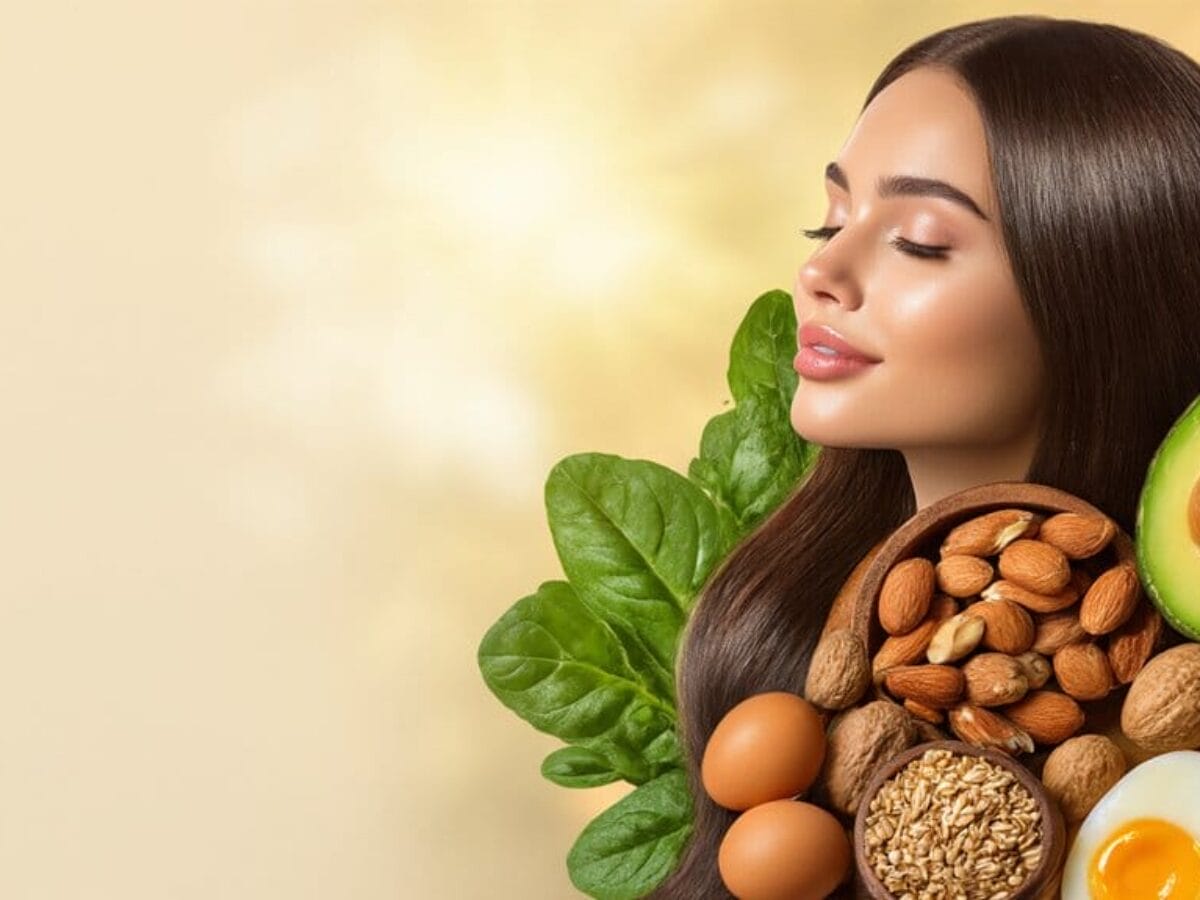
- Eggs: Especially the yolks, are packed with biotin and can be enjoyed scrambled, poached, or in an omelet.
- Nuts: Almonds, walnuts, and peanuts are fantastic snacks that not only provide biotin but also healthy fats for your skin.
- Sweet Potatoes: These delightful tubers aren’t just versatile; they’re also loaded with biotin and other nutrients to help nourish your hair.
The Need for Further Research on Biotin Efficacy
As interest in biotin’s role in enhancing hair, skin, and nail health continues to grow, the call for further research on its efficacy becomes increasingly urgent.
While some studies hint at biotin’s benefits in those with deficiencies, the evidence for healthy individuals is much murkier. You might wonder, “Will this vitamin really transform my hair or skin?” Unfortunately, many trials show no significant improvement in those who aren’t deficient.
To truly understand biotin’s potential, we need more rigorous studies involving diverse populations. This would help clarify its actual effectiveness and guide proper recommendations.
Frequently Asked Questions
Can Biotin Help With Hair Loss Due to Stress?
Biotin might not directly address hair loss from stress. While it supports hair health, its effectiveness is mainly seen in deficiency cases. You should focus on stress management and consult a healthcare professional for tailored advice.
Is Biotin Beneficial for Improving Skin Elasticity?
Biotin’s benefits for improving skin elasticity aren’t well-supported. While it plays a role in skin health, evidence in healthy individuals is limited, so it’s best to focus on a balanced diet for overall skin care.
Can I Get Enough Biotin From My Diet Alone?
Yes, you can get enough biotin from your diet alone. Foods like eggs, nuts, and whole grains are rich in biotin. A balanced diet typically provides sufficient amounts without needing supplements unless there’s a deficiency.
Are There Any Food Interactions With Biotin Supplements?
There aren’t significant food interactions with biotin supplements. However, consuming raw egg whites can inhibit biotin absorption. To maximize benefits, balance your diet with biotin-rich foods like eggs, nuts, and whole grains.
How Long Does It Take to See Biotin’s Effects?
You might start seeing biotin’s effects within a few weeks, especially if you’re deficient. However, for noticeable improvements in hair, skin, or nails, it can take several months of consistent supplementation.
Final Thoughts
Incorporating biotin into your routine can be a game-changer for your hair, skin, and nails. This essential vitamin not only supports growth and strength but also boosts hydration and resilience. Whether you’re getting biotin from food or supplements, you’re taking a step toward vibrant health. Remember, while most folks get enough from their diet, a little extra might just be the secret weapon you need. So go ahead, give your beauty routine that biotin boost!