
Curious about whether collagen is dairy-free? You’re not alone! Many people wonder if they can enjoy the skin-loving benefits of collagen without worrying about dairy ingredients. The good news is that collagen comes from animal connective tissues, not dairy, making it a safe option for those avoiding lactose. But what types of collagen should you consider, and how do they support your skin and overall health? Let’s explore the fascinating world of collagen together!
Key Takeaway
- Embrace collagen supplements as a dairy-free option for radiant skin! Explore bovine, porcine, and marine sources that offer all the benefits without any milk-derived ingredients.
- Choose premium organic collagen products to ensure they’re free from lactose and dairy contaminants. This is a fantastic way to support your skin health while sticking to your dairy-free lifestyle.
- Incorporate collagen peptides into your daily routine, knowing they come from animal connective tissues rather than dairy. This simple step can make a big difference in your skin’s hydration and elasticity.
- Consider marine collagen for its higher bioavailability and added skin benefits. Start by adding a marine collagen supplement to your regimen to enhance your skin’s health and glow.
- Boost your collagen synthesis by pairing it with Vitamin C-rich foods! Incorporate fruits like oranges and strawberries into your diet to maximize the effectiveness of your collagen supplements for beautiful skin.
Understanding Collagen Sources
When you immerse yourself in the world of collagen, you’ll discover that its sources are as diverse as the benefits it offers. Most collagen comes from animal connective tissues, and you’ll often find bovine collagen from grass-fed cows at the top of the list. Hydrolyzed collagen supplements provide an easy way to enjoy these benefits, as they are broken down for better absorption.
Discover the diverse sources of collagen, from grass-fed bovine to marine options, each offering unique health benefits.
If you’re looking for variety, porcine collagen from pigs is another solid option. For those who want something a bit different, marine collagen from fish boasts higher bioavailability, meaning your body can absorb it more effectively. This is particularly beneficial for those seeking enhanced skin elasticity and overall health.
And don’t forget poultry collagen from chickens, which is popular for joint support. Each source has unique properties, so you can choose one that fits your health goals. Additionally, consider incorporating Verisol collagen supplements into your routine for targeted skin benefits.
Plunge into and explore the options that best suit your needs!
The Dairy-Free Nature of Collagen Peptides
You’ll be thrilled to know that collagen peptides are completely dairy-free by their very nature!
These powerful proteins come from animal connective tissues like cows, pigs, and fish—no milk or cheese in sight. Additionally, many brands offer premium organic collagen supplements that ensure high-quality sourcing and formulation.
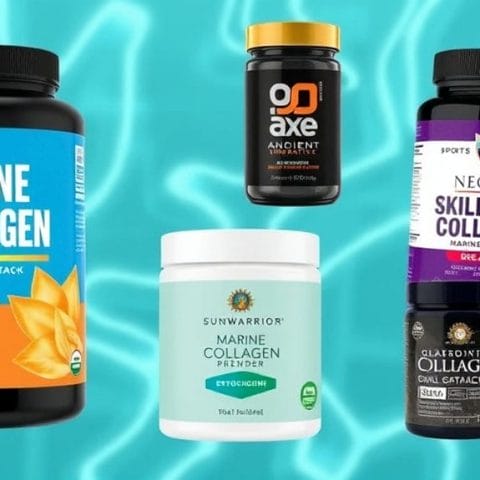
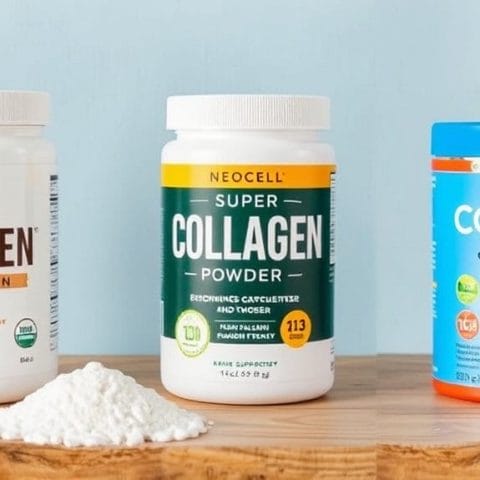
Plus, rigorous testing guarantees that your collagen supplement is free from lactose and any dairy contaminants, making it a perfect fit for your lactose-free lifestyle! Additionally, many brands specifically offer dairy-free collagen supplements to cater to various dietary preferences.
Collagen Composition Explained
Collagen, often hailed as a powerhouse for skin and joint health, boasts a composition that’s entirely dairy-free. You won’t find any milk, cheese, or yogurt in collagen peptides. They come from animal connective tissues, like bovine or marine sources, ensuring there’s no dairy involved. Let’s break it down:
| Source | Dairy-Free? |
|---|---|
| Bovine | Yes |
| Porcine | Yes |
| Marine | Yes |
This means you can enjoy the benefits of collagen without worrying about dairy content. Whether you’re looking for skin support or joint health, collagen peptides are a great choice. So go ahead, indulge in those radiant skin dreams without dairy concerns!
Lactose-Free Assurance
Wondering if you can enjoy the benefits of collagen without worrying about dairy? You’ll be pleased to know that collagen peptides are naturally dairy-free! Here’s what you need to know:
- Zero Dairy Content: Collagen is derived from animal connective tissues, not from milk, cheese, or yogurt.
- Lactose-Free Assurance: These peptides are safe for those with lactose intolerance—no lactose triggers here!
- Pure Formulations: Reputable brands guarantee that their collagen is free from dairy additives during the manufacturing process.
Testing for Purity
When it comes to guaranteeing the purity of collagen peptides, reliable testing is key. You want to feel confident that your collagen is truly dairy-free, and third-party testing is your best friend here.
Reputable brands often send their products to independent labs, checking for any dairy contamination. This guarantees that what you’re consuming is free from milk, cheese, or any sneaky dairy by-products.
Plus, look for NSF-certified facilities that follow strict manufacturing practices. Certificates of analysis can provide you with peace of mind, confirming that your collagen is as pure as it claims.
Collagen and Lactose Intolerance
If you’re one of the many people managing lactose intolerance, you might be relieved to know that collagen supplements are a safe bet for your diet. Here’s why:
- No Dairy Included: Collagen is derived from animal connective tissues, not dairy, meaning you won’t find lactose lurking in your supplements.
- Hydrolyzed Formulas: Most collagen products are hydrolyzed, which means they’re broken down for better absorption and are completely free of dairy triggers.
- Third-Party Testing: Reputable brands often undergo rigorous testing to verify there are no dairy contaminants, giving you peace of mind. Additionally, many premium collagen supplements are formulated to enhance skin hydration and overall skin health.
Quality Verification in Collagen Products
Quality verification in collagen products is essential, especially when you want to guarantee you’re getting the best for your health.
Choosing reputable brands means you’re not just picking any collagen; you’re opting for purity and quality. Look for products that have undergone independent laboratory testing. This guarantees they meet the highest standards and are free from banned substances.
Facilities that are NSF certified follow good manufacturing practices, giving you peace of mind. Plus, many brands offer certificates of analysis, confirming what’s in the bottle.
With stringent quality control standards in place, you can confidently support your skin and joints, knowing you’re investing in a product that truly delivers. After all, your health deserves nothing less!
Key Amino Acids in Collagen Peptides
Collagen peptides pack a punch with their impressive array of key amino acids, making them a powerhouse for your health.
These amino acids are critical for boosting your body’s natural collagen production and improving overall wellness. Here are three key players you should know about:
- Glycine: This amino acid supports your body’s antioxidant defense, promoting overall health and reducing inflammation.
- Proline: Essential for collagen synthesis, proline helps maintain skin elasticity and joint health.
- Hydroxyproline: Unique to collagen, this amino acid enhances the stability of collagen fibers, ensuring your skin stays firm and youthful.
Incorporating collagen peptides into your routine can give you the amino acid boost you need for radiant skin and vibrant health!
Health Benefits of Collagen for Skin
Your skin deserves the best, and collagen can be a game-changer in achieving that radiant glow. When you incorporate collagen peptides into your routine, you’re giving your skin a boost it craves.
These powerful proteins help improve elasticity, reduce wrinkles, and enhance overall hydration. Imagine waking up to skin that feels plump and youthful!
Plus, collagen supports tissue repair, making it great for healing and maintaining a smooth complexion. You’ll also notice benefits for your hair and nails, as collagen promotes strength and resilience.
The Role of Vitamin C in Collagen Production
While many people know that collagen is essential for skin health, not everyone realizes the crucial role vitamin C plays in its production. This powerful vitamin isn’t just a sidekick; it’s a key player in collagen synthesis.
Here’s how it helps:
- Amino Acid Conversion: Vitamin C transforms amino acids into collagen, essential for skin elasticity and firmness.
- Antioxidant Protection: It protects collagen from damage by neutralizing harmful free radicals, keeping your skin youthful.
- Wound Healing: Adequate vitamin C boosts collagen levels, speeding up skin repair after injuries or blemishes.
Supporting Joint Health With Collagen
If you’re looking to support your joints, collagen might just be your new best friend!
It enhances joint function by promoting tissue repair and can improve your mobility, making those everyday activities a lot easier.
Plus, with the added benefits of improved strength and flexibility, you’ll be moving like you did years ago!
Joint Function Enhancement
Joint health is essential for maintaining an active lifestyle, and collagen plays a significant role in enhancing joint function. By incorporating collagen into your routine, you can support your joints effectively.
Here’s how collagen benefits you:
- Increases Flexibility: Collagen helps maintain cartilage integrity, making your joints more flexible and reducing stiffness.
- Supports Synovial Fluid Production: Collagen aids in the production of synovial fluid, which lubricates joints, allowing for smoother movements.
- Reduces Joint Pain: Regular collagen intake can help diminish joint discomfort, especially after physical activities.
Tissue Repair Mechanism
Accessing the power of collagen can greatly enhance your body’s tissue repair mechanisms, especially when it comes to joint health.
Collagen plays a vital role in maintaining the integrity of connective tissues, helping to rebuild cartilage and reduce inflammation. When you supplement with collagen, you’re providing your body with the essential amino acids it needs to repair and regenerate tissues effectively.
This means faster recovery after injuries and even the potential to alleviate joint pain. Plus, collagen’s unique structure allows it to blend seamlessly into your body’s existing tissues, making the repair process smoother.
Mobility Improvement Benefits
Collagen isn’t just about tissue repair; it also plays a significant role in enhancing your mobility. By supporting joint health, collagen can help you stay active and agile.
When you include collagen in your routine, you might experience:
- Reduced Joint Pain: Collagen helps maintain cartilage integrity, which can lessen discomfort during movement.
- Improved Flexibility: Regular collagen consumption supports overall joint function, allowing for easier and more graceful movement.
- Enhanced Recovery: After workouts, collagen aids in muscle recovery, so you can bounce back faster and tackle your next challenge.
Incorporating collagen into your diet isn’t just beneficial for your skin; it’s a game-changer for your joints.
Marine vs. Bovine Collagen: What’s the Difference?
While you may be familiar with the benefits of collagen for skin and joint health, you might find yourself wondering about the differences between marine and bovine sources.
Marine collagen, derived from fish, boasts higher bioavailability, meaning your body absorbs it more efficiently. It’s often favored for its skin-enhancing properties, helping to boost hydration and elasticity.
On the other hand, bovine collagen, sourced from grass-fed cows, is the most common type and provides robust support for joints and overall skin health.
Both options are dairy-free and packed with essential amino acids.
Ultimately, your choice may hinge on personal preference—whether you prefer a fishy twist or the hearty benefits of bovine collagen. Either way, your skin is bound to thank you!
Choosing the Right Collagen Supplement
How do you pick the right collagen supplement when there are so many options on the market? It can feel overwhelming, but don’t worry! Here’s a simple guide to help you decide:
1. Source Matters: Choose between bovine, marine, or poultry collagen based on your dietary preferences.
Marine collagen often has better absorption, while bovine is widely available.
2. Check for Additives: Look for products labeled as dairy-free and gluten-free.
Verify there are no fillers that could compromise quality.
3. Third-Party Testing: Opt for brands that provide certificates of analysis.
This guarantees the product’s purity and potency.
With these tips, you’ll find the perfect collagen supplement to support your skin and overall health. Happy supplement hunting!
Frequently Asked Questions
Can Vegans Consume Collagen Supplements Safely?
No, you can’t safely consume traditional collagen supplements as a vegan. Most collagen comes from animal sources. However, plant-based alternatives exist, offering similar benefits without animal-derived ingredients. Always check labels for vegan certification.
How Long Does It Take to See Collagen Benefits?
You’ll typically see collagen benefits within four to six weeks of consistent use. Improvements in skin elasticity, hydration, and joint health often become noticeable as your body absorbs and utilizes the collagen effectively.
Are There Any Side Effects of Collagen Supplementation?
You might experience mild side effects from collagen supplementation, like digestive discomfort or allergic reactions. However, most people tolerate it well. Always consult your healthcare provider before starting any new supplement regimen for personalized advice.
Can Collagen Help With Acne or Skin Blemishes?
Yes, collagen can help with acne and skin blemishes. It promotes skin elasticity and hydration, potentially reducing the appearance of scars and blemishes. Regular supplementation might enhance your skin’s overall health and appearance.
Is Collagen Safe During Pregnancy or Breastfeeding?
Yes, collagen’s generally considered safe during pregnancy and breastfeeding. However, you should consult your healthcare provider before starting any supplement to guarantee it suits your specific needs and circumstances. Always prioritize your health and your baby’s well-being.
Final Thoughts
To sum up, collagen is a fantastic dairy-free option for enhancing your skin and overall wellness. Its sources from animal tissues guarantee you don’t have to worry about lactose or dairy contaminants. With the right supplement, you can enjoy radiant skin and even support joint health! So, whether you choose marine or bovine collagen, you’re on the path to a healthier you. Embrace the benefits and let your skin glow without dairy concerns holding you back!