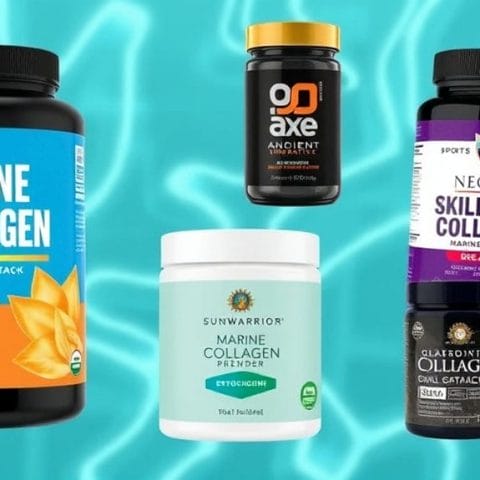

When it comes to achieving that radiant Indian skin you desire, the choice between marine and bovine collagen can feel overwhelming. Marine collagen, with its superior bioavailability, promises to hydrate and reduce wrinkles effectively. On the other hand, bovine collagen supports skin elasticity and overall tissue health. Each type has distinct benefits tailored to your skincare goals. So, which one will truly reveal your skin’s potential? Let’s explore the nuances that could make all the difference.
Key Takeaway
- Embrace Marine Collagen: If you’re looking to boost your skin’s hydration and achieve a youthful glow, consider adding marine collagen to your routine for radiant results. Look for high-quality supplements or powders that can easily blend into your daily smoothies or skincare regimen.
- Explore Bovine Collagen: For those seeking to enhance skin elasticity while also supporting joint and muscle health, bovine collagen is a fantastic option. Incorporate it into your diet through broths or supplements to reap its dual benefits.
- Prioritize Bioavailability: Opt for marine collagen due to its smaller peptide size, which ensures quicker absorption and more noticeable effects. Check product labels for bioavailability claims to maximize your skincare investment.
- Fight Aging with Antioxidants: Choose marine collagen products that are rich in antioxidants to help combat oxidative stress and protect your skin from aging. Pair these with a diet high in fruits and vegetables for an extra boost.
- Make Sustainable Choices: Align your wellness journey with your values by selecting marine collagen if you’re a pescatarian or prefer sustainable options. Always research brands that prioritize environmentally-friendly sourcing.
- Listen to Your Body: Pay attention to how your skin and joints respond as you introduce either collagen type into your routine. Adjust your choices based on your personal wellness goals and enjoy the journey to healthier skin!
Understanding Collagen Types: Marine vs. Bovine
When it comes to collagen, you might be surprised to learn that not all sources are created equal, especially when you pit marine collagen against bovine collagen.
Marine collagen primarily comes from fish skin and scales and is loaded with Type I collagen, which makes up nearly 90% of its content. This type is essential for skin health, giving you that sought-after glow. Additionally, marine collagen supplements have gained popularity for their potential to improve skin elasticity and hydration.
On the flip side, bovine collagen is derived from cow hides, containing both Type I and III collagen, which supports a wider variety of tissues, including joints and muscles.
While marine collagen excels in skin benefits, bovine collagen’s versatility makes it a powerhouse for overall connective tissue support. Additionally, marine collagen peptides premium offer enhanced absorption, making them an excellent choice for maximizing skin health.
Bioavailability: Absorption Rates of Marine and Bovine Collagen
When it comes to bioavailability, marine collagen truly shines with its smaller peptide size, making it about 1.5 times more efficiently absorbed than its bovine counterpart. While bovine collagen still boasts impressive absorption rates, marine collagen’s quick uptake could mean faster results for your skin. Additionally, choosing the right type of collagen can significantly influence skin health benefits, as different collagen sources provide varying amino acid profiles that support skin elasticity and hydration. The quality of premium collagen supplements can also enhance the overall effectiveness of these products, ensuring you receive the maximum benefits for your skin health.
Marine Collagen Absorption Efficiency
Marine collagen absorption efficiency is a game changer in the world of supplements, and you’ll find it fascinating how it stacks up against its bovine counterpart.
Thanks to its smaller peptide size, marine collagen boasts a higher bioavailability, meaning your body absorbs it more effectively. This can lead to quicker results in skin hydration and elasticity, making it a popular choice.
- Marine collagen absorbs about 1.5 times more efficiently than bovine collagen.
- Hydrolyzed marine collagen breaks down peptides into smaller units for improved digestibility.
- Faster absorption may translate to quicker visible benefits for your skin.
Bovine Collagen Absorption Rates
Although marine collagen often steals the spotlight for its impressive absorption rates, bovine collagen holds its own with excellent bioavailability that shouldn’t be overlooked.
You’ll be pleased to know that about 90% of bovine collagen peptides are absorbed within hours, making it a formidable contender. While marine collagen may absorb slightly faster, bovine collagen offers a broader range of benefits due to its unique combination of Type I and Type III collagen.
This versatility supports not just skin health but also joints and muscles. Plus, with its robust amino acid profile, bovine collagen can help your body in ways you mightn’t expect.
Skin Health Benefits: Targeting Radiance and Elasticity
As you explore the world of collagen, you’ll discover that the benefits for skin health are nothing short of remarkable, especially when it comes to enhancing radiance and elasticity.
Both marine and bovine collagen offer unique advantages, but they shine in different ways.
- Marine collagen, rich in Type I, boosts skin moisture and diminishes wrinkles, giving you that youthful glow.
- Bovine collagen, with its Type III content, enhances skin elasticity, making your skin feel firmer and more resilient.
- The quicker absorption of marine collagen means you might see results faster, adding a spark to your skin routine.
Incorporating premium collagen supplements into your daily regimen can further amplify these skin benefits.
Whichever you choose, integrating collagen into your diet can help reveal your skin’s potential for a radiant, elastic look.
Your skin will thank you!
Anti-Aging Properties: How Collagen Fights Visible Signs
When it comes to fighting the visible signs of aging, collagen is your skin’s best ally. This powerhouse protein works wonders by boosting your skin’s elasticity and hydration, helping to reduce fine lines and wrinkles.
Marine collagen, rich in Type I collagen, specifically targets skin health, while bovine collagen offers additional support with its Type III content. By enhancing collagen synthesis, both types promote firmness and resilience in your skin.
Plus, marine collagen’s antioxidants combat oxidative stress, a major culprit in aging. So, whether you choose marine or bovine, you’re investing in a youthful glow.
Dietary Preferences: Choosing the Right Collagen for You
Are you wondering which type of collagen is right for your dietary needs? Choosing between marine and bovine collagen can be a game-changer for your skin and overall health. Here’s what to reflect on:
- Dietary Restrictions: If you’re pescatarian or avoiding beef, marine collagen is your best bet.
- Allergies: Got a fish allergy? Stick with bovine collagen to avoid any reactions.
- Flavor Preferences: Marine collagen is flavor-neutral, making it easy to mix into drinks or dishes without a fishy taste.
Ultimately, your choice should align with your dietary lifestyle and health goals. Explore the benefits and pick the type that supports your journey to radiant skin!
Sustainability and Ethical Sourcing in Collagen Production
Selecting the right collagen isn’t just about personal health benefits; it also involves understanding the sustainability and ethical implications of your choice.
Marine collagen often wins the eco-friendly award since it utilizes by-products from the seafood industry, reducing waste. If you’re concerned about environmental impact, that’s a plus!
Marine collagen is an eco-friendly choice, repurposing seafood industry by-products and minimizing waste.
On the other hand, bovine collagen’s sustainability can vary. Opting for grass-fed or organic sources can make a significant difference. However, ethical concerns about animal welfare in cattle farming can’t be ignored.
As a savvy consumer, it’s crucial to prioritize transparency in sourcing. By considering these factors, you’re not just enhancing your skin but also supporting mindful production practices that respect our planet and its creatures.
Functional Benefits Beyond Skin: Joint and Muscle Support
While many people focus on collagen’s beauty benefits for skin, it’s equally important to recognize its significant role in supporting joints and muscles.
Both marine and bovine collagen offer unique advantages that go beyond aesthetics.
- Bovine collagen, containing both Type I and III collagen, supports a wide range of connective tissues, enhancing joint health and muscle recovery.
- Marine collagen, rich in Type I, promotes quick recovery for tendons and ligaments, making it a favorite among athletes.
- Both types provide essential amino acids like glycine and proline, which aid muscle repair and overall body composition.
Allergies and Considerations: What to Know Before Supplementing
Before you jump into collagen supplementation, it’s essential to take into account any allergies or dietary restrictions you might have.
If you’re allergic to fish or shellfish, marine collagen could be a no-go, while bovine collagen won’t fit the bill for vegetarians or those avoiding beef.
Knowing your dietary needs can help you choose the right collagen source and avoid any unwanted reactions, so let’s explore your options!
Allergy Risks Explained
Are you considering marine or bovine collagen supplements but worried about potential allergy risks? It’s essential to understand how these collagen sources can impact your health.
- Marine collagen is derived from fish, so if you have fish or shellfish allergies, it’s best to steer clear.
- Bovine collagen comes from cows, making it unsuitable for vegetarians or those with specific dietary restrictions.
- Always check labels for allergens; some products might contain additional ingredients that trigger sensitivities.
Before diving into supplementation, consult a healthcare professional to guarantee you make the right choice.
With the right information, you’ll reveal the secret to radiant skin without compromising your health!
Dietary Restrictions Impact
When considering collagen supplements, it’s essential to be aware of dietary restrictions that could impact your choices.
If you’re pescatarian or simply avoiding beef, marine collagen is your go-to, as it’s derived from fish. However, if you have a fish or shellfish allergy, steer clear of marine options and consider bovine or plant-based alternatives.
Bovine collagen isn’t suitable for vegetarians or vegans, either, which can limit your options.
The good news? Both types undergo processing that neutralizes flavors, making them easy to mix into your favorite drinks or snacks.
Just remember, ethical and sustainability concerns might also influence your decision.
The Role of Antioxidants in Collagen Efficacy
Antioxidants play an essential role in enhancing the efficacy of collagen, and their impact on skin health is nothing short of remarkable.
They work tirelessly to combat free radicals, those pesky molecules that can wreak havoc on your skin. When you combine collagen with antioxidants, you’re not just boosting collagen’s effectiveness; you’re also giving your skin the protection it needs.
- Reduces oxidative stress: Antioxidants help neutralize free radicals, minimizing skin damage.
- Enhances collagen synthesis: They support your body’s natural production of collagen, promoting a youthful appearance.
- Improves skin elasticity: By combating inflammation, antioxidants help maintain skin firmness and suppleness.
Making an Informed Choice: Factors to Consider in Collagen Selection
Choosing the right collagen supplement can feel like traversing a maze, especially with so many options out there. To make an informed choice, consider the source and type of collagen.
Marine collagen boasts Type I, perfect for skin health, while bovine offers both Types I and III, supporting skin, joints, and more. Think about bioavailability, too—marine collagen absorbs faster, giving quicker results.
Dietary restrictions matter; if you’re pescatarian, marine’s your friend, but steer clear if you have fish allergies.
Finally, weigh sustainability and ethical sourcing. Marine collagen often utilizes seafood by-products, reducing waste, while bovine options vary in sustainability.
With these factors in mind, you’ll be well-equipped to choose the collagen that best fits your lifestyle and skin goals!
Frequently Asked Questions
Can Marine Collagen Help With Hair and Nail Health?
Yes, marine collagen can help with hair and nail health. Its rich amino acids promote strength and growth, enhancing the overall appearance. Regular supplementation may lead to noticeable improvements in thickness and shine.
What Is the Best Age to Start Collagen Supplementation?
You can start collagen supplementation in your late 20s or early 30s. This age range helps maintain skin elasticity and hydration, supporting your body’s natural collagen production before signs of aging become more apparent.
How Long Does It Take to See Results From Collagen?
You’ll typically notice results from collagen supplementation within four to eight weeks. Consistency is key, so sticking to your regimen will enhance your chances of seeing improved skin elasticity, hydration, and overall appearance.
Are There Side Effects Associated With Collagen Supplements?
Yes, some people experience side effects from collagen supplements, including digestive issues, allergies, or skin reactions. It’s best to start with a lower dose and consult your healthcare provider if you notice any adverse effects.
Can Collagen Supplements Interact With Medications?
Yes, collagen supplements can interact with certain medications, especially blood thinners. It’s best to consult your healthcare provider before starting any supplement to avoid potential interactions and guarantee safe use alongside your current medications.
Final Thoughts
In the battle of marine vs. bovine collagen, your choice hinges on your unique skin goals and values. If you’re after hydration and a youthful glow, marine collagen might be your go-to. But if elasticity and overall tissue health are your focus, bovine collagen has you covered. Whichever you choose, remember to evaluate absorption rates and ethical sourcing. With the right collagen, you’re one step closer to accessing that radiant Indian skin you desire!