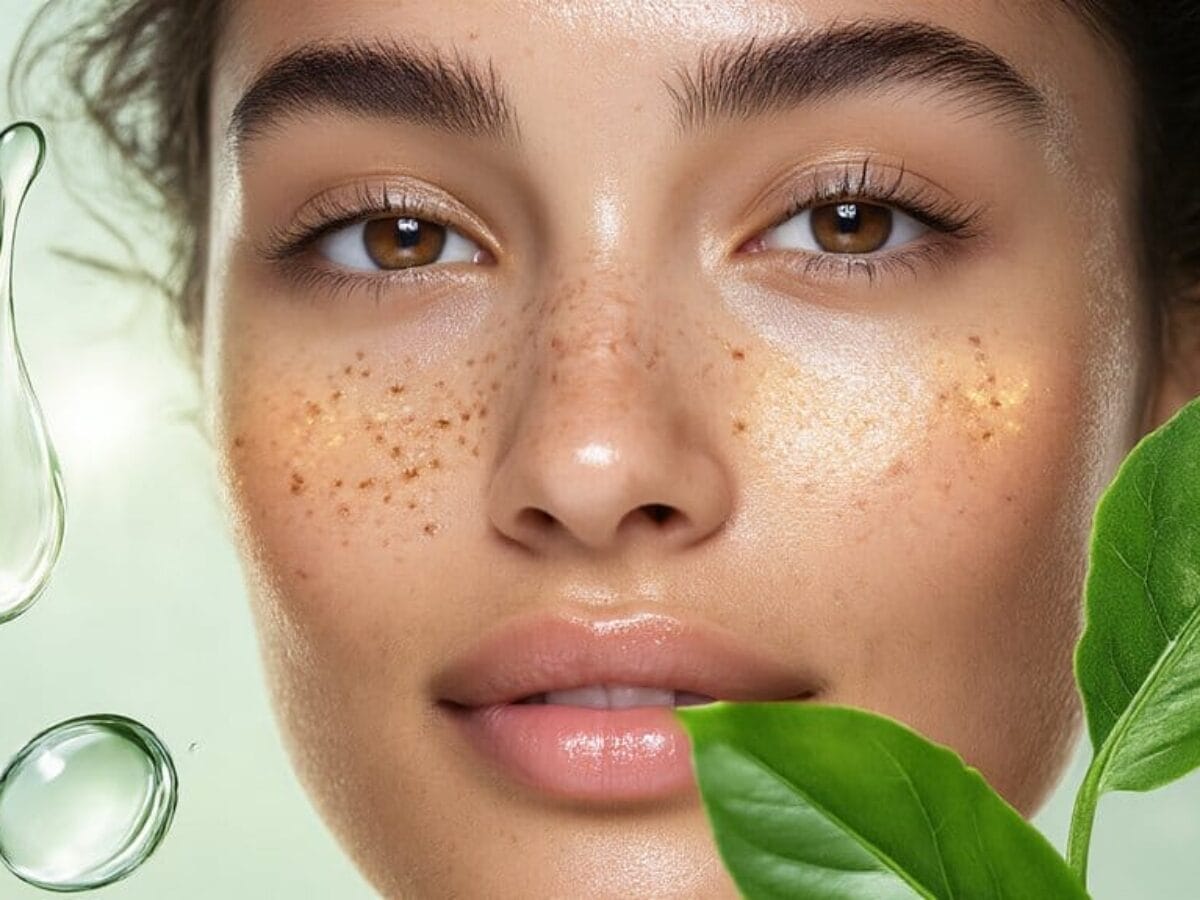
If you’ve been battling dark spots or hyperpigmentation, niacinamide might just be your new best friend. This powerhouse ingredient works wonders by reducing melanin production and improving skin tone, all while being gentle enough for every skin type. Imagine achieving a more even complexion with just a little consistency! Curious about how this ingredient stacks up in clinical trials or how to incorporate it into your routine? The details might surprise you.
Key Takeaway
- Embrace niacinamide as your go-to solution for brightening your skin! Start incorporating a 4% niacinamide formulation into your daily routine to tackle dark spots and hyperpigmentation effectively.
- Witness the power of consistency! Apply niacinamide twice daily and pair it with sunscreen to see a gradual improvement in your skin tone over time.
- Maximize your results by combining niacinamide with other potent ingredients like Vitamin C and Retinol. This powerful trio can work wonders for enhancing your skin’s radiance.
- Feel confident in your skincare choice! Niacinamide is suitable for all skin types and boasts a strong safety profile, allowing you to nourish your skin without worries.
- Take action today! Make niacinamide a staple in your skincare regimen and watch as it transforms your complexion, helping you achieve that glowing, even skin tone you’ve been dreaming of.
Understanding Hyperpigmentation and Its Causes
While you might think your skin is just trying to play a prank on you with those pesky dark spots, hyperpigmentation is actually a common skin condition caused by an overproduction of melanin. This can result from various factors like sun exposure, hormonal changes, or even inflammation. The use of premium niacinamide serum can be particularly beneficial in addressing these concerns.
When your skin experiences trauma, such as a cut or acne, it produces more melanin in that area, leading to dark spots. Stress, certain medications, and genetics can also contribute to this skin quirk. Using an effective niacinamide serum can help reduce the appearance of these dark spots and improve your overall skin tone.
You’re not alone if you’ve noticed these spots popping up; many people experience them at some point. Understanding what causes hyperpigmentation is the first step in tackling it, giving you the knowledge to take control of your skincare routine!
How Niacinamide Works Against Hyperpigmentation
Niacinamide works wonders against hyperpigmentation by tackling melanin transfer and reducing skin’s stained melanin density.
When you apply it, you’re not just getting a skincare product; you’re activating cellular processes that combat oxidative stress and inflammation. Additionally, niacinamide salicylic acid serum can enhance the benefits of niacinamide, providing a dual-action approach to reducing dark spots.
Its clinical efficacy shines through too, with studies showing significant improvements in dark spots and melasma, making it a powerful ally in your quest for an even skin tone! Additionally, many premium niacinamide serums are designed to enhance its effectiveness, ensuring you get the most out of this incredible ingredient.
Mechanism of Action
Hyperpigmentation can be a frustrating skin concern, but understanding how niacinamide works can be a game changer in your skincare routine.
This powerful ingredient inhibits the transfer of melanosomes—those pesky pigment carriers—from melanocytes to keratinocytes, achieving an impressive reduction in transfer rates. It also lowers melanin density in the epidermis, effectively lightening dark spots.
Niacinamide boosts your skin’s cellular energy by restoring NAD+ levels and combats oxidative stress through its antioxidant properties. While it doesn’t directly inhibit the tyrosinase enzyme, it targets the downstream processes responsible for pigmentation.
Plus, its anti-inflammatory effects help soothe the skin, making it a gentle yet potent ally in your quest for an even skin tone. Say goodbye to dark spots!
Clinical Efficacy
If you’re on a journey toward clearer skin, you’ll be excited to learn about the clinical efficacy of niacinamide in tackling dark spots and hyperpigmentation. This powerhouse ingredient has shown impressive results, making it a favorite among dermatologists.
Here’s how it works:
- Inhibits melanosome transfer: Reduces the transfer rates of pigment from melanocytes to skin cells by up to 68%.
- Decreases melanin density: Noticeably lowers epidermal melanin and stained melanin in tissue.
- Enhances skin energy: Restores cellular NAD+ and combats oxidative stress.
- Anti-inflammatory: Modulates inflammation, improving overall skin health.
With consistent use, niacinamide can help you achieve a more even skin tone while keeping your skin happy and healthy!
Clinical Trial Results for Melasma Treatment
When it comes to treating melasma, 4% niacinamide has shown impressive results in clinical trials, with 44% of participants experiencing good to excellent improvement after just eight weeks.
Not only does it lighten dark spots effectively, but it also boasts a safety profile that’s far superior to hydroquinone, with fewer side effects. Additionally, incorporating Vitamin C serum into your skincare routine can further enhance the lightening effects on dark spots.
Efficacy of 4% Niacinamide
As you explore options for treating melasma, you’ll be pleased to discover the impressive efficacy of 4% niacinamide.
Clinical trials reveal some eye-opening results that highlight its power against this pesky condition:
- 44% of patients experienced good to excellent improvement after just 8 weeks.
- Noticeable lightening effects began as early as 4 weeks into the treatment.
- A significant reduction in mast cell infiltrate was observed, dropping from 22 to 16 cells/mm².
- Post-treatment biopsies showed a remarkable decrease in epidermal stained melanin, with a p-value of <0.0007.
These findings suggest that 4% niacinamide isn’t just a pretty face in the skincare aisle; it’s a robust contender for tackling melasma effectively!
Safety Compared to Hydroquinone
While many are familiar with hydroquinone as a go-to for addressing melasma, it’s essential to evaluate the safety profile of alternative treatments like niacinamide.
Clinical trials reveal that 4% niacinamide leads to good to excellent improvement in 44% of melasma patients within eight weeks, and it boasts a superior safety profile.
Side effects occur in only 7-18% of users, compared to 18-29% for hydroquinone. You won’t have to worry about irritation either!
Niacinamide offers a gradual lightening effect without risking depigmentation or rebound hyperpigmentation. This makes it a fantastic option for long-term use.
Effectiveness for Dark Spots and Post-Inflammatory Hyperpigmentation
If you’re battling dark spots or post-inflammatory hyperpigmentation (PIH), you’ll be excited to hear about niacinamide’s remarkable effectiveness.
This powerhouse ingredient is showing impressive results in treating hyperpigmentation across various skin types. Here’s why you should consider incorporating it into your routine:
- Dark Spot Reduction: 5% niacinamide applied twice daily can drastically diminish dark spots in just four weeks.
- Synergistic Power: Combining 2% niacinamide with tretinoin enhances tolerability and effectiveness against PIH.
- Broad Spectrum Efficacy: Studies reveal significant improvements in melasma and PIH across diverse populations.
- Survey Success: Nearly 46% of patients reported achieving an even skin tone after using niacinamide products.
With such promising results, niacinamide might just be your new favorite skincare ally!
Optimal Concentration and Application Parameters
Finding the right concentration of niacinamide can make all the difference in your skincare journey. Research shows that lower concentrations of 2-3% can effectively reduce hyperpigmentation, especially in skin of color, while minimizing irritation. A 4% formulation is also popular, demonstrating significant improvement in melasma over time.
Here’s a quick overview of concentration effectiveness:
| Concentration | Effectiveness |
|---|---|
| 2% | Mild improvement, low irritation |
| 3% | Notable results, well-tolerated |
| 4% | Good to excellent improvement in melasma |
| 5% | Strong reduction in dark spots |
| Combined Use | Enhanced results with other actives |
Apply niacinamide twice daily for best results. And don’t forget to pair it with sunscreen for extra protection!
Safety Profile and Side Effects
When it comes to incorporating niacinamide into your skincare routine, you’ll be pleased to know it boasts a strong safety profile with minimal side effects. Most users tolerate it exceptionally well, making it a go-to choice for many. Here’s what you can expect:
- Mild Side Effects: Only about 7% of users report minor effects, unlike harsher options like hydroquinone.
- Low Irritation: Niacinamide’s gentle nature makes it suitable for all skin types, especially darker complexions.
- Gradual Lightening: You’ll notice improvement without the risk of rebound hyperpigmentation.
- Long-Term Use: Its high safety margin allows for extended application, perfect for ongoing maintenance.
With niacinamide, you can tackle dark spots while keeping your skin happy and healthy!
Additional Skin Benefits Beyond Pigmentation
Beyond just targeting dark spots, niacinamide offers a treasure trove of additional skin benefits that can elevate your skincare routine.
It stimulates ceramide production and boosts collagen synthesis, helping to combat signs of aging like fine lines and wrinkles. You’ll notice improved skin barrier function, enhancing your skin’s resilience against environmental stressors.
Plus, it reduces redness and sallowness, giving your complexion a fresh, youthful glow. Not to mention, niacinamide’s anti-inflammatory properties can soothe irritated skin, making it a fantastic ally for sensitive skin types.
With these powerful benefits, it’s clear that niacinamide is more than just a pigment fighter—it’s an all-around skincare superstar that helps you achieve a healthier, more radiant complexion.
Combining Niacinamide With Other Active Ingredients
Niacinamide isn’t just a powerhouse on its own; it plays exceptionally well with other active ingredients to enhance your skincare routine.
When you combine niacinamide with the right ingredients, you can amplify its benefits and tackle hyperpigmentation more effectively. Here are four great pairings:
- Vitamin C: Together, they boost brightness and reduce dark spots while keeping your skin hydrated.
- Retinol: This duo works wonders for skin texture and pigmentation, helping you achieve a smoother complexion.
- Alpha Hydroxy Acids (AHAs): They exfoliate while niacinamide calms, minimizing irritation and enhancing overall skin tone.
- Zinc: Combining these two can improve oil control and reduce inflammation, making it perfect for acne-prone skin.
With these combinations, you’re well on your way to radiant skin!
Tips for Incorporating Niacinamide Into Your Skincare Routine
To effectively incorporate niacinamide into your skincare routine, start by introducing it gradually.
Begin with a lower concentration, around 2-3%, to minimize irritation while still reaping benefits. Apply it every other day, then increase to daily use as your skin adjusts.
Start with a 2-3% concentration, applying every other day, then gradually increase to daily use as your skin adjusts.
Layer niacinamide under your moisturizer or sunscreen for ideal absorption. Remember, consistency is key—results take time, so be patient!
You can also mix it with other actives, like hyaluronic acid, for added hydration. Don’t forget to patch test if you’re trying a new product!
Finally, keep an eye on your skin’s response and adjust usage accordingly. With these tips, you’re well on your way to achieving a radiant, even complexion!
Frequently Asked Questions
Can Niacinamide Be Used on Sensitive Skin Types?
Yes, you can use niacinamide on sensitive skin types. Its gentle formula minimizes irritation while providing benefits like improved barrier function and reduced redness, making it a safe choice for your skincare routine.
How Long Does It Take to See Results With Niacinamide?
You can typically see noticeable results with niacinamide within four to eight weeks of consistent use. Individual results may vary, but patience and regular application will help achieve the best outcomes for your skin.
Is Niacinamide Safe for Pregnant or Breastfeeding Women?
Yes, niacinamide’s generally considered safe for pregnant or breastfeeding women. However, it’s best to consult your healthcare provider before starting any new skincare products to guarantee they’re appropriate for your individual situation.
Can Niacinamide Replace My Sunscreen?
No, niacinamide can’t replace your sunscreen. It complements sun protection by enhancing your skin’s barrier and reducing inflammation, but you still need a dedicated sunscreen to protect against UV damage effectively. Always use both!
What Are the Best Forms of Niacinamide for Skincare?
The best forms of niacinamide for skincare include serums and moisturizers with concentrations between 2-5%. Look for products that combine niacinamide with other beneficial ingredients for enhanced effectiveness and ideal skin tolerance.
Final Thoughts
Incorporating niacinamide into your skincare routine is a game-changer for tackling dark spots and hyperpigmentation. With just a 4% concentration, you can enhance your skin’s tone and texture while enjoying its anti-inflammatory benefits. Plus, it’s suitable for all skin types! So, whether you’re battling melasma or just looking for a radiant glow, niacinamide’s got your back. Consistency is key, so keep at it, and watch your skin transform into the even complexion you’ve always wanted!