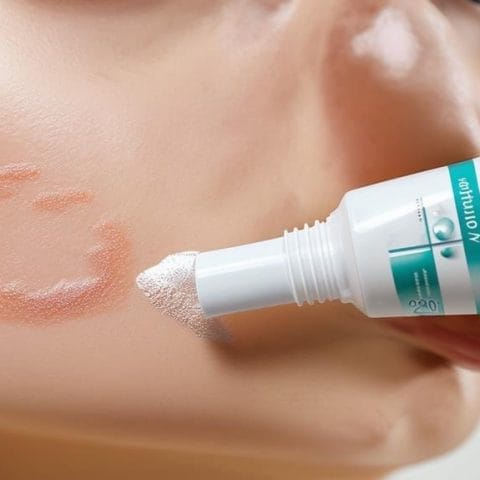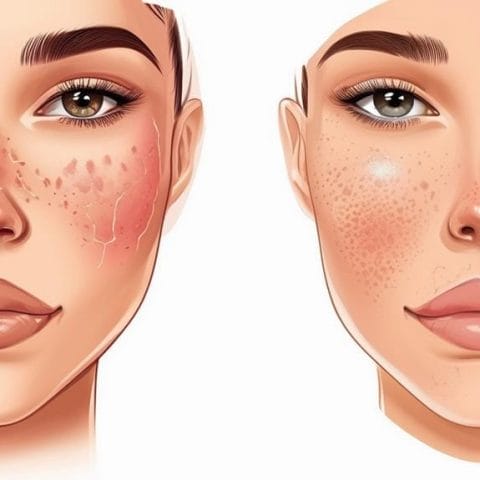
If you’re tired of waking up to stubborn pimples, you might be intrigued by the potential of hydrogen peroxide. This common household item could be your secret weapon against acne, but it’s essential to know how to use it safely. With the right concentration and application technique, you could see a noticeable difference overnight. So, what’s the best way to harness this powerful solution without causing irritation? Let’s explore that next.
Key Takeaway
- Start with a gentle cleanse: Take a moment to cleanse your skin softly before applying hydrogen peroxide. This simple step ensures that your skin is prepped for maximum effectiveness and helps minimize any potential irritation.
- Apply with care: Use a cotton swab to dab a 1% hydrogen peroxide solution directly onto your pimples, steering clear of the surrounding skin. This targeted application helps you combat those pesky blemishes while protecting your healthy skin.
- Embrace overnight healing: Let the hydrogen peroxide work its magic overnight, and wake up to the possibility of clearer skin by morning. Remember to check in with your skin’s response to ensure it feels comfortable and cared for.
- Stay informed and adaptable: If you experience any irritation, don’t hesitate to consult a dermatologist for tailored advice. Consider alternatives like benzoyl peroxide to keep your acne management journey effective and gentle.
- Empower your skincare routine: Incorporate this method into your nightly skincare ritual for a proactive approach to blemish control. You’re taking a positive step toward clearer skin and greater confidence!
Understanding Acne and Its Causes
When you think about acne, it’s easy to feel overwhelmed by the many factors that contribute to those pesky breakouts. It’s not just about oily skin or a few bad habits; hormonal changes, genetics, and even diet play significant roles.
Your skin produces excess sebum, which clogs pores and creates a perfect environment for bacteria. Stress can also send your hormones into a frenzy, triggering more breakouts.
Plus, let’s not forget about the impact of certain medications or skincare products that might irritate your skin. Understanding these causes is essential for tackling acne effectively. Additionally, exploring effective acne treatment solutions can provide you with the right products to help manage your skin condition.
How Hydrogen Peroxide Affects Acne
While you might be tempted to reach for hydrogen peroxide as a quick fix for those stubborn acne spots, it’s important to understand how it actually works on your skin. This powerful compound can have both beneficial and negative effects on your complexion. Here’s what you should know:
- It kills *Propionibacterium acnes*, the bacteria that contribute to acne, by creating oxidative stress.
- Hydrogen peroxide breaks down bacterial cell membranes and biofilms, reducing their prevalence.
- It generates oxygen, which helps clear out pus and debris from pimples. Additionally, benzoyl peroxide acne treatment options are often more effective and less irritating for long-term use.
However, be cautious! Overuse can irritate your skin, leading to more problems than solutions. Additionally, benzoyl peroxide skincare products are often recommended for effective acne treatment as they provide similar antibacterial benefits without the harsh side effects.
Caution is key! Overusing hydrogen peroxide can irritate your skin and cause more issues than it solves.
Always weigh the pros and cons before diving in—your skin will thank you!
Clinical Evidence Supporting Hydrogen Peroxide
When it comes to treating acne, hydrogen peroxide shows some impressive clinical results that you might find surprising. Studies reveal that using a 1% hydrogen peroxide cream can lead to a 68% reduction in inflammation and a 61% decrease in acne size within just four days! Additionally, incorporating benzoyl peroxide treatment products can enhance your acne-fighting regimen. Plus, it stacks up well against benzoyl peroxide, offering comparable results with better tolerability—definitely worth considering for your skincare routine. Additionally, many dermatologists recommend incorporating benzoyl peroxide skin care products for a comprehensive approach to acne treatment.
Treatment Efficacy Overview
Hydrogen peroxide has garnered attention in the fight against acne, and recent clinical studies showcase its potential efficacy.
If you’re evaluating this option, here are three key findings that might intrigue you:
- A 68% reduction in acne-induced inflammation was observed within just 4 days of treatment.
- Users reported a 61% decrease in acne size after the same 4 days—talk about quick results!
- After 6 weeks, there was a 56% reduction in total inflamed lesions.
These statistics highlight hydrogen peroxide‘s ability to target pesky bacteria effectively.
While it shows promise, remember to weigh the pros and cons, as safety and skin irritation are also essential factors to assess.
Your skin deserves the best care, so explore all options!
Inflammation Reduction Statistics
If you’re looking for evidence that hydrogen peroxide can help reduce acne inflammation, the statistics are pretty impressive.
Research shows a 68% reduction in acne-induced inflammation within just four days of treatment. That’s right—almost seven out of ten people experience noticeable improvement quickly!
Within the same timeframe, you might also see a 61% reduction in the size of your acne. Over six weeks, a staggering 56% reduction in total inflamed lesions is possible, along with a 45% decrease in non-inflamed lesions.
Plus, a 1% hydrogen peroxide cream applied twice daily is as effective as benzoyl peroxide but often better tolerated.
These figures highlight hydrogen peroxide’s potential to tackle acne inflammation swiftly and effectively. Isn’t that exciting?
Comparison With Benzoyl Peroxide
While both hydrogen peroxide and benzoyl peroxide are popular treatments for acne, their effectiveness and tolerability can vary considerably. Here’s how they stack up:
- Effectiveness: Benzoyl peroxide is often more effective at reducing acne lesions due to its stronger antibacterial properties.
- Tolerability: Hydrogen peroxide tends to irritate the skin more, which can lead to redness and peeling, making it less suitable for sensitive skin.
- Long-term Results: Benzoyl peroxide is generally recommended by dermatologists for long-term acne management, while hydrogen peroxide might only provide short-term benefits.
Ultimately, if you’re looking for a reliable acne treatment, benzoyl peroxide could be your best bet.
It’s like choosing a sturdy umbrella over a flimsy one when the rain starts pouring!
Recommended Concentrations for Use
When it comes to using hydrogen peroxide for acne, finding the right concentration is key to effective treatment without the drama.
For topical applications, sticking to low concentrations, like 1-6%, is recommended to balance efficacy with safety.
This way, you can tackle those pesky pimples without turning your skin into a battlefield!
Optimal Hydrogen Peroxide Levels
To effectively tackle acne without causing undue harm to your skin, it’s crucial to use the right concentration of hydrogen peroxide.
Using too high a concentration can lead to irritation and more problems than it solves. Here are the ideal levels you should consider:
- 1% Hydrogen Peroxide: This is the most recommended concentration for daily use, providing antimicrobial benefits while minimizing irritation.
- 3% Hydrogen Peroxide: Suitable for spot treatment, but use sparingly to avoid skin sensitivity.
- 6% Hydrogen Peroxide: Generally too strong for facial application; save it for other uses, like cleaning.
Stick to the lower concentrations for acne treatment, and you’ll give your skin a better chance to heal while keeping irritation at bay.
Your skin will thank you!
Safe Application Guidelines
Understanding safe application guidelines for hydrogen peroxide can make all the difference in your acne treatment journey. Using the right concentration is vital to minimize irritation while maximizing effectiveness. Here’s a quick reference:
| Concentration | Application Frequency |
|---|---|
| 1% | Twice daily |
| 3% | Once daily |
| 5% | Every other day |
| 6% | Consult a dermatologist |
Stick to lower concentrations (1-6%) for topical use to avoid harsh reactions. Remember, while hydrogen peroxide can be beneficial, it’s essential to listen to your skin. If irritation occurs, back off and consult a professional. Your journey to clearer skin should be safe and effective, not a painful experiment!
Application Techniques for Best Results
Achieving the best results with hydrogen peroxide for acne treatment hinges on proper application techniques.
Follow these steps to maximize effectiveness and minimize irritation:
- Cleanse First: Start with a gentle cleanser to remove dirt and oil. This prepares your skin for better absorption of the peroxide.
- Targeted Application: Use a cotton swab to apply a small amount of hydrogen peroxide directly to the affected areas. This precision helps avoid irritating surrounding skin.
- Timing is Key: Apply it at night before bed. This allows the peroxide to work while you sleep, potentially transforming your skin by morning.
Potential Risks and Side Effects
While you’ve taken the right steps to apply hydrogen peroxide effectively, it’s important to be aware of the potential risks and side effects that come with its use.
First off, it can cause serious skin irritation, leading to dermatitis, burns, and blisters. That’s not the kind of glow you’re aiming for!
Additionally, hydrogen peroxide can make your skin more susceptible to inflammation, which might exacerbate your acne instead of clearing it up. You could even end up with redness and peeling skin.
And let’s not forget, it might kill off those beneficial cells essential for skin repair.
The Impact on Wound Healing and Scarring
When you use hydrogen peroxide on your pimples, you might think you’re speeding up the healing process, but it can actually sabotage your skin’s recovery.
This powerful agent doesn’t just attack the bad bacteria; it also harms the beneficial cells your body needs to heal, increasing your risk of scarring.
Healing Interference
Although hydrogen peroxide can initially seem like a miracle solution for acne, its impact on wound healing and scarring is a significant concern that shouldn’t be overlooked.
You might be surprised to learn that while it tackles bacteria, it also harms your skin’s healing process. Here are a few key points to take into account:
- Kills Beneficial Cells: It destroys the very cells you need for effective healing and repair.
- Increases Infection Risk: By causing blistering, it opens the door for potential infections.
- Hinders Natural Healing: Your body’s natural mechanisms get disrupted, which can lead to more noticeable scars.
Scarring Risk
Using hydrogen peroxide on your skin might sound like a quick fix for acne, but it can come with a hidden cost: increased scarring risk.
While it may zap those pesky pimples, it also targets beneficial cells essential for healing. This means that instead of smooth skin, you could end up with unwanted scars.
Blistering is another nasty side effect, making your skin more prone to infections. Plus, when your body’s natural healing mechanisms are hindered, the potential for scarring skyrockets.
So, while you might be tempted to reach for that bottle, remember that the price of immediate relief could be a lifetime of skin concerns.
There are safer alternatives out there that won’t leave you scarred!
Comparing Hydrogen Peroxide to Other Treatments
While hydrogen peroxide has been touted as a quick fix for acne, it’s essential to compare its effectiveness and safety with other treatments available.
Here’s what you should know:
- Benzoyl Peroxide: This is a proven heavyweight in fighting acne. It targets bacteria and reduces inflammation without the harsh side effects hydrogen peroxide can cause.
- Topical Retinoids: These enhance cell turnover, preventing clogged pores and reducing acne over time. They’re gentler and promote healthier skin.
- Prescription Medications: Consult a dermatologist for tailored treatments. They can prescribe options that provide long-term control and minimize the risk of scarring.
In the battle against acne, understanding your options can help you choose the safest and most effective path to clear skin!
Safe Alternatives for Acne Management
If you’re tired of battling acne with harsh treatments that leave your skin feeling irritated, you’re not alone!
Thankfully, there are safe alternatives that can help you manage breakouts effectively. Consider benzoyl peroxide, a dermatologist favorite known for its ability to reduce inflammation and clear clogged pores.
You might also explore salicylic acid, which gently exfoliates and promotes cell turnover, making it excellent for preventing future flare-ups.
Don’t overlook the power of gentle, water-based cleansers and oil-free moisturizers to keep your skin hydrated without adding extra oil.
Finally, consulting with a healthcare provider can lead you to personalized treatments that suit your skin’s unique needs.
Embrace these alternatives, and you might just find your acne journey becomes a lot smoother!
Tips for Healthy Skin Care Practices
To achieve healthy, glowing skin, it’s essential to establish a skincare routine that works for you. Here are three tips to get you started on your journey to fabulous skin:
1. Cleanse Daily: Use a gentle cleanser to remove dirt and excess oil. This keeps your pores clear and your skin fresh.
Don’t skip this step, even if you’re tired!
2. Moisturize: Hydration is key! Choose an oil-free moisturizer to maintain balance without clogging pores.
Your skin will thank you.
3. Sunscreen: Never forget your SPF! Protect your skin from harmful UV rays to prevent premature aging and skin damage.
Think of it as your skin’s superhero shield.
Implement these practices consistently, and you’ll be well on your way to radiant, healthy skin!
Frequently Asked Questions
Can Hydrogen Peroxide Be Used on Sensitive Skin Types?
You shouldn’t use hydrogen peroxide on sensitive skin types. It can cause irritation, burns, and worsen acne. Instead, opt for gentler treatments recommended by dermatologists to effectively manage your skin concerns without harsh side effects.
How Quickly Can I Expect Results From Hydrogen Peroxide?
You can expect noticeable results from hydrogen peroxide within four days, with significant reductions in inflammation and acne size. However, be cautious, as it may cause irritation or worsening symptoms on sensitive skin.
Is It Safe to Mix Hydrogen Peroxide With Other Acne Treatments?
It’s generally not safe to mix hydrogen peroxide with other acne treatments. Doing so can increase irritation and diminish the effectiveness of both products. Stick to one treatment at a time for best results.
Can I Use Hydrogen Peroxide on Active Breakouts?
You shouldn’t use hydrogen peroxide on active breakouts. It can irritate your skin, worsen inflammation, and lead to scarring. Consider safer alternatives like benzoyl peroxide or consult a dermatologist for personalized advice.
What Should I Do if I Experience Irritation From Hydrogen Peroxide?
If you experience irritation from hydrogen peroxide, stop using it immediately. Cleanse the area gently, apply a soothing moisturizer, and consider consulting a dermatologist for alternative treatments that suit your skin better. Your comfort matters!
Final Thoughts
Incorporating hydrogen peroxide into your acne-fighting routine can lead to impressive overnight results when used wisely. Remember to stick to a safe 1% concentration and apply it carefully to avoid irritation. Monitor your skin’s reaction, and don’t hesitate to consult a dermatologist for personalized guidance. With the right approach, you can tackle those pesky pimples and boost your confidence. So go ahead, give it a try, and watch your skin transform—your clearer complexion is just a swipe away!