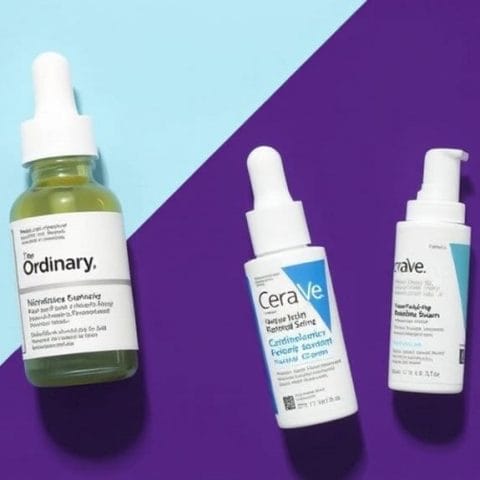
If you’re struggling with rosacea, you know how frustrating it can be to find effective solutions. Luckily, there’s a range of creams designed to tackle inflammation and redness while nurturing your skin. Ingredients like metronidazole and ivermectin work wonders, not just for symptoms but for overall skin health. Curious about how these components can transform your complexion and what else you can do to achieve that calm, radiant look? Let’s explore further.
Key Takeaway
- Explore effective ingredients: Look for creams featuring metronidazole and ivermectin to help soothe redness and combat skin irritants like Demodex mites. These powerful components can make a real difference in your skincare routine!
- Choose gentle solutions: Opt for formulations with supramolecular salicylic acid to boost hydration while addressing lesions without causing irritation. Your skin deserves tender care, so prioritize gentle products!
- Stay consistent: Make it a habit to apply your treatments regularly, as consistency is key to achieving and maintaining healthier, calmer skin over time. Set a reminder if you need a little nudge to keep you on track!
- Nurture your skin’s microbiome: Consider creams that promote beneficial bacteria while minimizing harmful mites. A balanced skin microbiome can enhance your skin’s natural defenses, leading to a radiant complexion.
- Consult a professional: Reach out to a dermatologist for personalized advice and tailored treatment options that suit your unique skincare needs. You’re not alone on this journey—expert guidance can empower you to achieve your skincare goals!
Understanding Rosacea: Causes and Symptoms
When it comes to understanding rosacea, you might find yourself scratching your head, wondering what causes those pesky red patches and bumps. This chronic skin condition primarily affects your face, leading to flushing, visible blood vessels, and even acne-like breakouts.
While the exact cause remains a mystery, several factors contribute to its development. Genetics play a significant role, so if your family has a history of rosacea, you might be more prone to it. Additionally, maintaining a consistent skin care routine can significantly reduce flare-ups and help soothe the skin.
Environmental triggers like spicy foods, alcohol, and extreme temperatures can also stir things up. Stress? Oh, it’s a notorious culprit too! Additionally, effective rosacea treatments can help manage symptoms and improve your skin’s appearance.
The Role of Ingredients in Rosacea Creams
Understanding the ingredients in rosacea creams can feel like maneuvering through a maze, but it’s essential for finding the right treatment. Each ingredient plays a unique role in calming your skin.
For example, metronidazole works wonders as an anti-inflammatory, reducing redness and bumps, while ivermectin targets pesky Demodex mites that might be aggravating your condition. Additionally, many rosacea skincare products emphasize the importance of gentle formulations to prevent further irritation.
Then there’s supramolecular salicylic acid, which not only tackles lesions but also boosts hydration. You’ll also find benzoyl peroxide, an effective weapon against bacterial overgrowth.
Knowing what each component does helps you choose the best cream for your skin. So, don’t hesitate! Immerse yourself in the ingredient list, and reveal the key to achieving that calm, radiant complexion you deserve. Additionally, understanding effective treatments can empower you to make informed choices about your skincare routine.
Efficacy of Supramolecular Salicylic Acid
Supramolecular salicylic acid (SSA) is making waves in the world of rosacea treatment, and for good reason! This innovative ingredient is proving to be a game-changer in reducing papulopustular rosacea lesions and improving skin barrier function.
Supramolecular salicylic acid is revolutionizing rosacea treatment, effectively reducing lesions and enhancing skin barrier function.
After just two treatment sessions, many users experience remarkable results. Here’s what you can expect from SSA:
- Significant reduction in lesion counts and redness.
- Improvement in skin barrier function, leading to better hydration.
- Well-tolerated with minimal side effects reported.
- Fast-acting, with noticeable changes in just a few applications.
- Additionally, combining SSA with benzoyl peroxide acne treatment can enhance overall skin clarity.
With its impressive efficacy and skin-friendly profile, SSA is definitely worth considering for your rosacea treatment journey.
Who wouldn’t want calm, radiant skin?
Benefits of Topical Metronidazole
Topical metronidazole is a powerhouse when it comes to reducing pesky papules and pustules.
Not only does it tackle these troublesome lesions effectively, but it can also help maintain remission for months, keeping your skin looking clear and calm.
If you’re searching for a reliable way to manage rosacea, metronidazole might just be your new best friend!
Effective Papule Reduction
When you’re battling the stubborn papules of rosacea, you want a solution that’s both effective and reliable. Topical metronidazole is your ally in this fight, delivering impressive results.
Here are some key benefits of using metronidazole for papule reduction:
- Reduces Inflammation: It tackles the inflammation that causes those pesky bumps.
- Decreases Erythema: You’ll notice less redness, making your skin appear calmer.
- Maintains Remission: After treatment, it helps keep your skin clear for months.
- Well-Tolerated: Most people experience few side effects, making it safe for long-term use.
With metronidazole on your side, you can confidently enjoy clearer skin and feel a sense of relief from the discomfort of rosacea. Say goodbye to those annoying papules!
Long-term Remission Maintenance
Maintaining long-term remission from rosacea can feel like an intimidating task, but using metronidazole can make a significant difference in your skin’s health. This powerful topical treatment not only reduces papules and pustules but also helps keep your skin calm and clear over time. With consistent use, you can experience remarkable benefits:
| Benefits | Details |
|---|---|
| Reduces Inflammation | Targets and minimizes redness and swelling. |
| Maintains Remission | Keeps up to 77% of users clear for months. |
| Easy Application | Just apply twice daily for ideal results. |
| Minimal Side Effects | Well-tolerated with few adverse reactions. |
Long-Term Safety of Benzoyl Peroxide
Benzoyl peroxide has gained a reputation as a reliable treatment for rosacea, but it’s not just its effectiveness that impresses; it’s also the long-term safety profile that stands out.
Benzoyl peroxide is renowned for its effectiveness and impressive long-term safety in treating rosacea.
Many users find comfort in its low incidence of severe side effects, making it a popular choice for long-term management.
Here are some key points to evaluate:
- Good Cutaneous Safety: Long-term use showed no severe adverse effects.
- Efficacy Over Time: Users often experience progressive improvement in symptoms.
- Well-Tolerated: Most individuals report minimal irritation, making it suitable for ongoing use.
- Relapse Management: While effective, some may need to adjust treatment schedules to maintain results.
With benzoyl peroxide, you can confidently embrace your journey toward clearer, healthier skin!
Oral Isotretinoin: A Systemic Approach
When it comes to tackling stubborn rosacea, oral isotretinoin offers a powerful systemic approach that you mightn’t have considered.
This treatment boasts impressive efficacy rates, often showing around 70% improvement in papules and pustules, making it a game-changer for many.
However, it’s essential to weigh its effectiveness against potential side effects, ensuring that you’re fully informed before making this decision.
Efficacy of Oral Isotretinoin
Oral isotretinoin stands out as a powerful systemic approach for treating moderate to severe rosacea, particularly in cases resistant to topical therapies. This treatment can offer significant benefits, often leading to rapid improvements in your skin.
Here’s what you can expect:
- High clinical response: Around 70% of patients see a reduction in papules and pustules.
- Faster action: It may work quicker than topical retinoids, providing relief when you need it most.
- Long-lasting effects: Many experience prolonged remission from rosacea symptoms after completing the course.
- Comprehensive treatment: It addresses the underlying causes of rosacea, promoting clearer skin.
With its impressive efficacy, oral isotretinoin could be a game-changer in your rosacea treatment journey!
Safety and Side Effects
While oral isotretinoin offers remarkable benefits for those grappling with moderate to severe rosacea, it’s important to keep an eye on safety and potential side effects.
You might experience dryness, chapped lips, or increased sensitivity, which can be annoying but are often manageable. Some people report fatigue or headaches, but these usually fade over time.
Rarely, more serious effects like mood changes or liver issues can occur, so regular check-ups are essential. Always follow your doctor’s advice and don’t skip those appointments!
Ivermectin and Its Impact on Skin Microbiome
Ivermectin has emerged as a game-changer in the treatment of rosacea, not just for its ability to reduce visible symptoms but also for its intriguing effects on the skin microbiome.
By targeting Demodex mites, ivermectin helps balance your skin’s microbial environment, promoting beneficial bacteria. This dual action can lead to clearer skin and a healthier microbiome.
- Increases Staphylococcus epidermidis a beneficial skin bacterium.
- Reduces harmful mite populations, minimizing inflammation.
- Enhances overall skin health, contributing to a radiant appearance.
- Supports a more balanced skin microbiome, potentially preventing future flare-ups.
With these remarkable benefits, ivermectin not only tackles rosacea’s pesky symptoms but also nurtures your skin’s ecosystem.
Who knew treating rosacea could also mean pampering your skin?
Developing a Personalized Treatment Plan
When it comes to tackling rosacea, crafting a personalized treatment plan is essential for achieving the best results.
Start by consulting a dermatologist who can evaluate your specific symptoms and skin type. Consider options like topical metronidazole for maintenance or supramolecular salicylic acid for quick relief. You might also explore using ivermectin to target those pesky Demodex mites.
Don’t forget the importance of consistency! Regular application can lead to noticeable improvements. Keep track of how your skin reacts and communicate any changes with your doctor.
Frequently Asked Questions
How Often Should I Apply Rosacea Cream for Best Results?
You should apply rosacea cream as directed, typically twice daily for best results. Consistency is key, so stick to your regimen and monitor your skin’s response for any necessary adjustments along the way.
Can Rosacea Creams Be Used Alongside Other Skincare Products?
Yes, you can use rosacea creams alongside other skincare products. Just make certain you apply them in the right order and watch for any reactions. It’s best to consult your dermatologist for personalized advice.
Are There Any Lifestyle Changes to Help Manage Rosacea?
You can manage rosacea by avoiding triggers like spicy foods, alcohol, and extreme temperatures. Incorporating a gentle skincare routine, staying hydrated, and reducing stress through relaxation techniques can also help improve your skin’s condition.
What Should I Do if I Experience Irritation From a Cream?
If you experience irritation from a cream, stop using it immediately. Rinse your skin gently with cool water, and consider applying a soothing moisturizer. If irritation persists, consult a dermatologist for further guidance.
How Long Does It Take to See Results From Rosacea Treatment?
You can typically see results from rosacea treatment within 2 to 12 weeks, depending on the specific treatment used. Consistent application and following your dermatologist’s instructions will help maximize your chances of improvement.
Final Thoughts
In your journey toward calm, radiant skin, embracing the right rosacea cream can make all the difference. With ingredients like metronidazole and ivermectin, you’re not just soothing symptoms; you’re nurturing your skin from within. A personalized treatment plan tailored to your unique needs can lead to lasting results. So, why wait? Immerse yourself in this natural solution and watch your complexion transform. You deserve skin that feels as good as it looks—let’s reveal that glow together!