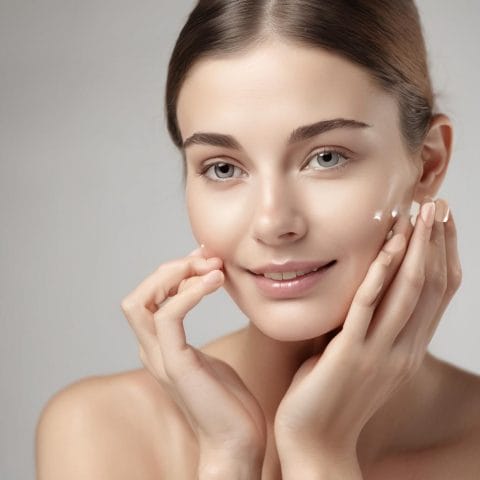
If you’re on a quest for that radiant, clear skin, salicylic acid might just be your best ally. This powerhouse ingredient works wonders by exfoliating dead skin and unclogging pores, making it a favorite for acne treatment. But it doesn’t stop there—its ability to improve skin texture and boost hydration is just as impressive. Curious about how it can transform your skincare routine and reveal your best complexion? Let’s explore the magic behind salicylic acid.
Key Takeaway
- Embrace salicylic acid as your secret weapon for clearer skin! Begin by incorporating a low concentration into your routine, allowing your skin to adjust while effectively removing dead skin cells and excess oil.
- Soothe your skin’s irritation and redness! Use salicylic acid regularly to calm inflammation, leading to a more balanced and even complexion that you can feel confident in.
- Enhance your skin’s texture effortlessly! Commit to consistent use of salicylic acid to promote cell turnover, helping to reduce the appearance of fine lines and leaving your skin looking smooth and radiant.
- Fortify your skin’s natural barrier! Incorporate salicylic acid to improve moisture retention, ensuring your skin stays hydrated, healthy, and glowing.
- Take small steps towards radiant skin! Start with a patch test to find the right concentration for your skin type, and gradually increase usage to maintain a balanced approach without irritation.
- Celebrate your journey to wellness! Keep track of your skin’s progress and adjust your routine as needed, knowing that each step you take is a move towards the beautiful, clear skin you deserve.
What Is Salicylic Acid and How Does It Work?
Salicylic acid is like the superhero of skincare, particularly when it comes to battling acne. This beta hydroxy acid (BHA) works wonders by exfoliating your skin, breaking down the bonds between dead skin cells.
It dives deep into your pores, dissolving excess sebum and preventing those pesky clogged pores that can lead to breakouts. Plus, it’s got anti-inflammatory and antimicrobial properties, making it a formidable foe against acne-causing bacteria. Additionally, salicylic acid can be found in a variety of salicylic acid skincare products, ensuring you can easily incorporate it into your routine.
You’ll love how it reduces sebum production, helping your skin stay balanced. Think of salicylic acid as your skin’s best friend, promoting a clearer complexion while keeping your skin barrier intact. Additionally, many products combine salicylic acid with benzoyl peroxide ingredients for enhanced acne-fighting power.
The Power of Salicylic Acid in Acne Treatment
When it comes to conquering acne, few ingredients pack the punch that salicylic acid does. This powerhouse beta hydroxy acid dives deep into your pores, breaking down dead skin cells and excess oil that lead to breakouts. Salicylic acid treatments can also be found in a variety of over-the-counter products, making it accessible for everyone.
It’s not just about banishing zits; salicylic acid also calms inflammation, reducing redness and irritation. Clinical studies show that products with 0.5% to 2.0% salicylic acid can greatly lessen acne severity, sometimes even outshining benzoyl peroxide!
Regular use of salicylic acid peels can work wonders too, clearing both blackheads and whiteheads. Plus, it helps maintain your skin barrier, so you won’t end up with a desert-like complexion. Incorporating glycolic acid treatments can also enhance your acne-fighting routine by promoting cell turnover and improving skin texture.
Regular salicylic acid peels can effectively clear blackheads and whiteheads while preserving your skin’s natural barrier.
Say goodbye to pesky pimples and hello to clearer, healthier skin!
Anti-Aging Benefits of Salicylic Acid
When it comes to anti-aging, salicylic acid isn’t just for acne anymore—it’s your secret weapon for smoother, younger-looking skin. This powerful ingredient works wonders by reducing wrinkles and enhancing skin texture, giving you that fresh glow you’ve been dreaming of. Many people are turning to luxurious salicylic acid serum as a key part of their skincare routine for these impressive results.
Wrinkle Reduction Techniques
If you’ve been searching for effective ways to reduce wrinkles and achieve a more youthful appearance, incorporating salicylic acid into your skincare routine could be a game changer. This powerful ingredient not only exfoliates but also enhances skin cell turnover, leading to a smoother, firmer complexion. Regular use of salicylic acid peels can greatly decrease wrinkle depth, making your skin look revitalized.
Here’s a quick overview of how salicylic acid works for wrinkle reduction:
| Benefits | How It Works |
|---|---|
| Exfoliation | Removes dead skin cells |
| Enhanced Cell Turnover | Stimulates new skin growth |
| Improved Texture | Minimizes appearance of fine lines |
Enhanced Skin Texture
Salicylic acid isn’t just a hero for acne; it’s also a powerful ally in the quest for enhanced skin texture. By promoting cell turnover, it helps you shed dead skin cells, revealing a smoother, more radiant complexion underneath.
This beta hydroxy acid dives deep into your pores, dissolving impurities and preventing clogging, which can lead to rough skin. Regular use can minimize the appearance of fine lines and wrinkles, giving your skin a youthful bounce.
Plus, salicylic acid reduces surface roughness and improves overall texture, making your skin feel soft and velvety. So, if you’re aiming for that enviable glow, salicylic acid might just become your new best friend in skincare!
Enhancing Skin Barrier and Hydration
When you think about clear skin, enhancing your skin barrier and boosting hydration are key players in the game.
Salicylic acid not only helps reduce excess oil but also strengthens your skin’s defenses, keeping moisture locked in.
With the right formulations, you won’t just fight acne—you’ll also enjoy a balanced, hydrated complexion that feels as good as it looks!
Strengthening Skin Barrier
While many people focus solely on the surface appearance of their skin, strengthening your skin barrier is equally crucial for achieving that coveted clear and healthy glow.
A robust skin barrier helps protect against environmental stressors while maintaining moisture levels. Incorporating salicylic acid into your routine can enhance this barrier, leading to better skin health.
- Increases ceramide levels, essential for skin protection.
- Reduces transepidermal water loss, keeping your skin hydrated.
- Maintains pH balance, ensuring your skin stays healthy and resilient.
Boosting Skin Hydration
How can you keep your skin feeling hydrated and plump throughout the day? Using salicylic acid is a fantastic way to boost your skin’s hydration.
This powerhouse ingredient not only exfoliates dead skin but also enhances your skin barrier. It increases ceramide levels, essential for maintaining moisture and protecting against dryness.
You’ll notice that salicylic acid-containing products can effectively reduce excess oil without leaving your skin parched. Plus, the polymeric surfactants in these formulations help maintain your skin’s integrity during use.
Reducing Water Loss
To keep your skin looking and feeling its best, focusing on reducing water loss is essential. A well-hydrated skin barrier not only helps maintain moisture but also protects against environmental damage. Salicylic acid can enhance this barrier, making your skin resilient and radiant.
- Increases ceramide levels to fortify your skin’s defense.
- Reduces transepidermal water loss, locking in hydration.
- Maintains skin pH balance, ensuring peak health.
When you incorporate salicylic acid into your routine, you’re not just exfoliating; you’re also investing in your skin’s overall integrity.
With a strong barrier, your skin can better retain moisture, keeping it plump and youthful. So, say goodbye to dryness and hello to a more vibrant complexion!
Additional Dermatological Uses of Salicylic Acid
Salicylic acid isn’t just a superstar in acne treatment; it also offers a treasure trove of benefits for various skin conditions. You can harness its keratolytic properties to tackle melasma, freckles, and age spots, making your skin glow with confidence.
It’s effective for psoriasis, warts, and even pesky calluses—just think of it as your skin’s best friend! Plus, it helps remove sun-damaged cells, reducing the risk of skin tumors.
With its ability to inhibit UVB-induced sunburn, it acts as a topical protector against sun damage. What’s even better? It’s safe for all skin types, including sensitive and darker tones.
Product Forms and Dosage Recommendations
When you’re ready to incorporate salicylic acid into your skincare routine, you’ll find it comes in a variety of forms and concentrations to suit your needs.
Whether you’re looking to treat acne or enhance your skin’s texture, choosing the right product is key. Here’s what you can explore:
- Gels (2%–7%): Perfect for daily application, these penetrate deeply to clear your pores.
- Lotions (2%): Lightweight and easy to apply, great for more sensitive areas.
- Peels (30%): For professional use, these deliver powerful results every two weeks.
Keep in mind that lower concentrations are ideal for everyday use, while higher concentrations should be reserved for targeted treatments.
Always check with a dermatologist if you’re unsure which option suits you best!
Tips for Incorporating Salicylic Acid Into Your Skincare Routine
Incorporating salicylic acid into your skincare routine can feel like stepping into a new world of clear, radiant skin, especially if you’re battling acne or uneven texture.
Start with lower concentrations, like a 0.5% gel or lotion, applying it once daily. Gradually increase frequency as your skin adjusts.
Pair it with a gentle cleanser to prevent irritation, and always moisturize afterward—hydrated skin is happy skin!
Don’t forget sunscreen; salicylic acid can make your skin more sensitive to the sun.
If you’re using a peel, limit it to every two weeks to avoid over-exfoliation.
Keep an eye on your skin’s response and adjust as needed. Trust the process, and soon you’ll notice the transformation!
Expected Results and When to Consult a Dermatologist
As you begin your journey with salicylic acid, you can expect to see noticeable improvements in your skin over time.
Typically, you’ll observe changes after several weeks, especially in reducing acne and enhancing skin texture. However, if you don’t see any progress after six weeks, it’s time to consult a dermatologist.
Here’s what you might notice:
- Reduced acne severity: Say goodbye to those stubborn breakouts!
- Smoother skin texture: Enjoy a more refined, youthful appearance.
- Fewer blackheads and whiteheads: Revel in clearer pores!
Frequently Asked Questions
Can Salicylic Acid Be Used During Pregnancy?
You should avoid using salicylic acid during pregnancy, especially in higher concentrations. It’s best to consult your healthcare provider for safe skincare options that won’t compromise your health or your baby’s well-being.
Is Salicylic Acid Safe for Sensitive Skin?
Yes, salicylic acid can be safe for sensitive skin, but it’s important to start with lower concentrations. Always patch test first, and consult a dermatologist if you experience any irritation or discomfort during use.
How Long Does Salicylic Acid Take to Work?
Salicylic acid typically takes several weeks to show noticeable results. You might start seeing improvement in your skin after about four to six weeks, depending on your skin type and the concentration used.
Can I Use Salicylic Acid With Other Active Ingredients?
Yes, you can use salicylic acid with other active ingredients, but be cautious. Combining it with ingredients like niacinamide or hyaluronic acid can enhance results, while mixing with strong acids may cause irritation. Always patch test first.
What Side Effects Should I Expect From Salicylic Acid?
You might experience dryness, irritation, or peeling when using salicylic acid. Some users report redness or a burning sensation, especially at the start. It’s important to start slowly and monitor your skin’s reaction.
Final Thoughts
Incorporating salicylic acid into your skincare routine can transform your complexion, leaving you with radiant, clear skin. This powerhouse ingredient tackles acne, improves texture, and boosts hydration, all while supporting your skin’s natural barrier. Whether you’re battling breakouts or seeking a youthful glow, salicylic acid is your go-to solution. Just remember to start slow and listen to your skin! With a little patience and care, you’ll be well on your way to achieving that luminous look you’ve always wanted.