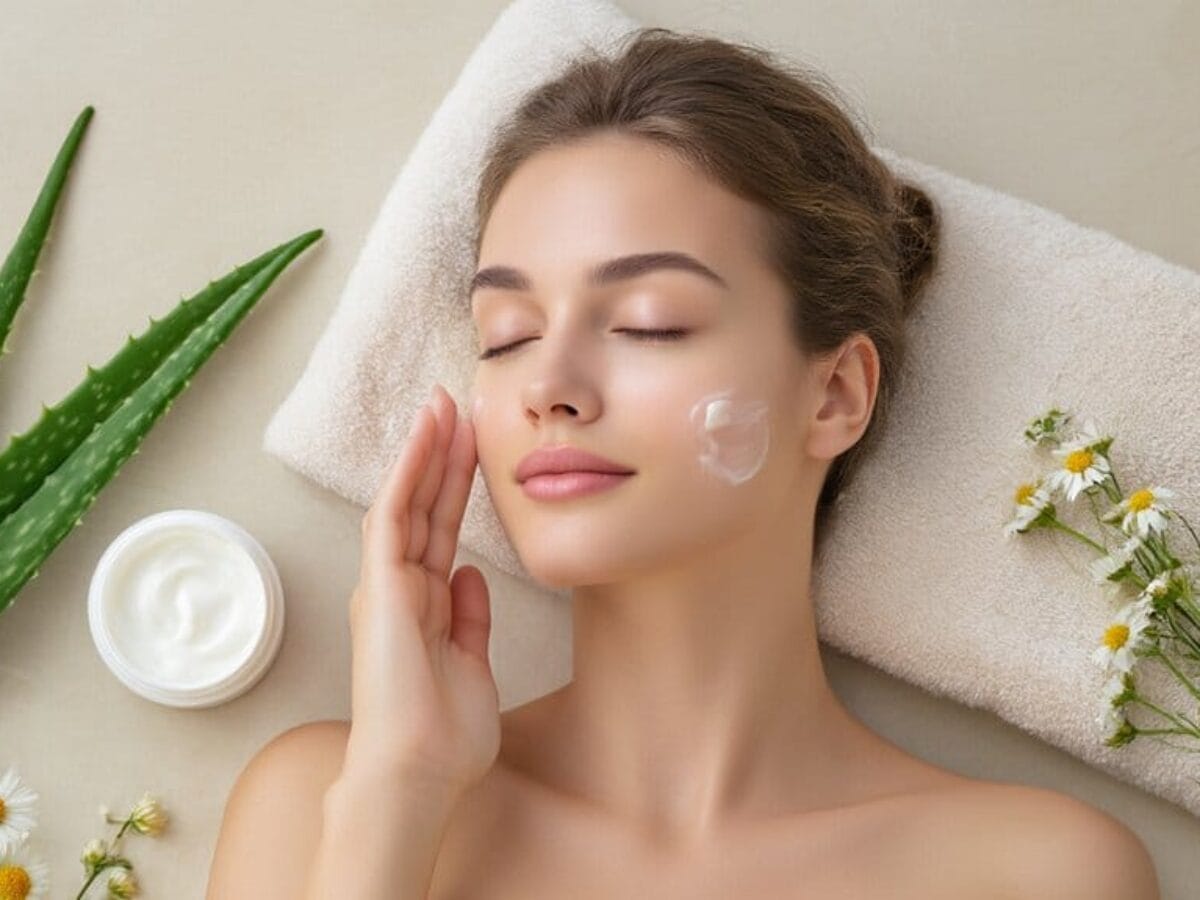
If you’ve got sensitive skin, battling breakouts can feel like a losing game. But don’t worry, there are gentle yet effective treatments that can help you conquer those pesky pimples without causing irritation. From mild chemical exfoliants to soothing hydrating ingredients, the right approach can make all the difference. Curious about which specific products and methods can turn your skin woes into wins? Let’s explore the best gentle solutions tailored just for you.
Key Takeaway
- Embrace gentle exfoliation by incorporating lactic or mandelic acid into your routine. These mild exfoliants will help clear dead skin cells without causing irritation, giving your skin a fresh, radiant glow.
- Soothe your skin with azelaic acid, which not only reduces redness but also fights acne. This powerful ingredient will help you feel confident in your skin while keeping it calm and comfortable.
- Gradually introduce adapalene to your skincare regimen. This will promote cell turnover and minimize inflammation, leading to clearer skin over time. Start with a small amount to let your skin adjust!
- Hydrate wisely with lightweight, non-comedogenic moisturizers that contain hyaluronic acid or ceramides. Keeping your skin nourished will enhance its resilience and help prevent future breakouts.
- Cleans gently and mindfully—avoid over-cleansing to protect your skin barrier. Opt for a mild cleanser and remember that less is often more when it comes to maintaining healthy skin.
- Commit to a consistent routine, and remember that patience is key! Small, positive changes in your skincare can lead to beautiful results over time. Celebrate your progress, no matter how small!
Understanding Sensitive Skin and Acne
When you think about sensitive skin and acne, you might imagine a frustrating battle where every product feels like a potential enemy.
Sensitive skin can react unpredictably, making it tough to find suitable treatments. You may experience redness, irritation, or dryness alongside breakouts, which complicates your skincare journey. Incorporating gentle solutions can make a significant difference in how your skin responds to acne treatments.
Understanding this unique skin type is essential; it’s not just about treating acne but also preserving your skin’s delicate balance. You might need to pay attention to how your skin responds to different ingredients.
Gentle care is key, so approach your routine with patience and trial-and-error. Embrace products that respect your skin’s sensitivity while targeting those pesky pimples. Luxury sensitive skincare products can provide the gentleness your skin craves without sacrificing effectiveness.
With the right strategies, you can achieve clearer skin without the drama!
Key Ingredients for Gentle Acne Treatment
When it comes to treating acne on sensitive skin, choosing the right ingredients is key to achieving clear, healthy skin without irritation.
You’ll want to explore effective exfoliation options that gently remove dead skin cells, essential moisturizing ingredients that keep your skin hydrated, and targeted active compounds that combat breakouts. Additionally, incorporating products formulated specifically for sensitive skin acne treatment can enhance your skincare routine. Notably, hyaluronic acid serum is a fantastic addition, as it helps to maintain moisture balance while supporting the skin’s healing process.
With the right mix, you can tackle pesky pimples while still pampering your sensitive skin!
Effective Exfoliation Options
Exfoliating your skin might sound intimidating, especially if you have sensitive acne-prone skin, but fear not!
Gentle exfoliation can help you achieve that smooth, fresh complexion without irritation. Here are some effective options to contemplate:
- Mild chemical exfoliants, like lactic or mandelic acid, gently slough off dead skin cells, revealing brighter skin beneath.
- Azelaic acid not only combats acne-causing bacteria but also provides mild exfoliation while reducing redness—perfect for sensitive skin!
- Adapalene, a gentle retinoid, promotes cell turnover, helping to keep pores clear and inflammation down.
With these options in your skincare arsenal, you’ll be on your way to healthier-looking skin in no time.
Just remember to introduce new products gradually to avoid overwhelming your skin!
Essential Moisturizing Ingredients
To achieve a healthy balance in your skincare routine, it’s essential to incorporate effective moisturizing ingredients, especially when treating sensitive, acne-prone skin.
Look for products that contain ceramides and hyaluronic acid. Ceramides help restore your skin barrier, locking in moisture and keeping irritants at bay. Hyaluronic acid is a hydration powerhouse, drawing water into your skin without clogging pores.
Lightweight, non-comedogenic moisturizers are your best friends! They hydrate without feeling heavy or greasy.
Additionally, consider incorporating soothing ingredients like aloe vera or chamomile to calm inflammation. These gentle ingredients allow your skin to heal while maintaining moisture, helping you tackle those pesky pimples without the irritation.
Targeted Active Compounds
Building on the importance of hydration, let’s explore the world of targeted active compounds that can work wonders on sensitive, acne-prone skin.
These key ingredients not only tackle breakouts but also respect your skin’s delicate nature.
- Azelaic acid: This multitasker fights bacteria and reduces redness without harsh effects.
- Adapalene: A gentler retinoid, it promotes cell turnover while easing inflammation, perfect for sensitive skin.
- Mild exfoliants: Ingredients like lactic or mandelic acid provide gentle resurfacing, avoiding the irritation of stronger acids.
Incorporating these compounds into your routine can lead to clearer skin without compromising comfort.
Topical Options for Sensitive Skin
When you’re dealing with sensitive skin, finding the right topical options can feel like a challenging task, but it doesn’t have to be!
Start with gentle ingredients like azelaic acid, which helps reduce redness and fight acne without harsh side effects. Azelaic acid is known for its anti-inflammatory properties, making it an excellent choice for soothing sensitive skin.
Gentle ingredients like azelaic acid can effectively reduce redness and combat acne without causing irritation.
Adapalene, a milder retinoid, can promote cell turnover while keeping irritation at bay; just introduce it gradually.
Don’t forget supportive moisturizers with ceramides or hyaluronic acid to maintain hydration and protect your skin barrier.
If you’re feeling adventurous, consider mild chemical exfoliants like lactic or mandelic acid that resurface your skin gently.
Exploring Oral Medications for Acne
While topical treatments can work wonders for sensitive skin, sometimes the most effective approach to tackling acne involves exploring oral medications.
These solutions can target the deeper-rooted causes of your breakouts. You might consider:
- Oral antibiotics, like clindamycin, which help reduce bacteria and inflammation while being cautious of resistance.
- Hormonal therapies for those whose acne is linked to hormonal imbalances, offering a balanced solution.
- Isotretinoin capsules, a powerful option for severe cases that normalizes oil production and clears acne effectively.
Light and Laser Therapies for Acne Control
If you’re tired of battling stubborn acne and traditional treatments haven’t quite done the trick, light and laser therapies might just be the game-changer you need.
These innovative options, like blue light therapy, target acne-causing bacteria without harsh chemicals, making them perfect for sensitive skin. eLight Acne Therapy combines light and laser to effectively reduce both active acne and scarring without worsening sensitivity.
Intense Pulsed Light (IPL) therapy helps control oil and bacteria, providing a gentle touch to your treatment. While you’ll typically need multiple sessions for ideal results, these therapies come with minimal irritation risks compared to topical options.
Say goodbye to stubborn breakouts and hello to clearer skin with these gentle yet effective solutions!
The Role of Chemical Peels in Treatment
Building on the exciting possibilities offered by light and laser therapies, chemical peels present another powerful option for treating acne, especially for those with sensitive skin.
These gentle peels, often utilizing lactic or mandelic acid, can improve skin texture and reduce breakouts without causing significant irritation.
Consider these key benefits:
- Minimal downtime: You can quickly resume your daily activities after treatment.
- Customizable strength: Professionals tailor the peel’s intensity to suit your skin’s needs.
- Enhanced skin rejuvenation: Regular sessions can lead to a radiant, clearer complexion over time.
Chemical peels can be an effective addition to your acne-fighting arsenal, helping you achieve healthier skin with the right approach!
Maintaining Skin Barrier Health
To keep your skin barrier healthy, hydration is key, so don’t skimp on moisturizers!
Gentle cleansing techniques help avoid irritating your sensitive skin, ensuring you maintain that all-important moisture balance.
Plus, picking non-irritating products can make all the difference in your skincare routine, allowing your skin to flourish without unnecessary stress.
Importance of Hydration
While it might seem simple, maintaining hydration is one of the most essential steps you can take for your skin’s health, especially when dealing with sensitive skin prone to acne.
Proper hydration helps strengthen your skin barrier and prevents moisture loss, which can lead to increased irritation and breakouts. When your skin is well-hydrated, it can better fight off bacteria and environmental stressors.
- Drink plenty of water throughout the day to keep your skin plump and nourished.
- Use moisturizers containing ingredients like hyaluronic acid or ceramides to lock in moisture.
- Avoid over-cleansing, as it can strip your skin of its natural oils and lead to dryness.
Gentle Cleansing Techniques
When it comes to maintaining a healthy skin barrier, gentle cleansing techniques are essential for anyone dealing with sensitive, acne-prone skin.
Start by choosing a mild, sulfate-free cleanser that won’t strip your skin of its natural oils. Use lukewarm water to rinse, as hot water can lead to irritation.
Instead of scrubbing, opt for a soft cloth or your fingertips to apply the cleanser, massaging it gently in circular motions. Rinse thoroughly, and don’t forget to pat your face dry with a clean, soft towel—no rubbing!
This approach helps remove impurities without disrupting your skin barrier. By sticking to these gentle methods, you’re setting your skin up for success in its healing journey—no harsh scrubs allowed!
Choosing Non-Irritating Products
Choosing the right products for your sensitive skin can feel like maneuvering through a minefield, especially when you’re already dealing with acne. To maintain your skin barrier health, focus on gentle, non-irritating ingredients.
- Look for soothing agents like ceramides and hyaluronic acid to lock in moisture and protect your skin.
- Choose mild exfoliants such as lactic or mandelic acid, which can help clear away dead skin without causing irritation.
- Avoid harsh fragrances and allergens; they can trigger flare-ups and exacerbate sensitivity.
Lifestyle Adjustments for Better Skin
Making simple lifestyle adjustments can greatly enhance your skin health and help manage sensitive acne-prone skin. Start by cutting back on high-glycemic foods and dairy, which may trigger breakouts. Drink plenty of water to keep your skin hydrated, and practice stress management techniques like yoga or meditation. Always opt for non-comedogenic and fragrance-free skincare products to minimize irritation.
Here’s a quick table to summarize some beneficial adjustments:
| Adjustment | Benefit |
|---|---|
| Eat low-glycemic foods | Reduces acne flare-ups |
| Drink more water | Improves hydration and skin health |
| Manage stress | Decreases skin flare-ups |
| Use gentle cleansers | Prevents barrier disruption |
These changes can make a significant difference in your skin’s appearance and health!
The Importance of Moisturizing
Moisturizing isn’t just a luxury; it’s essential for keeping your sensitive skin happy and healthy.
By protecting your skin barrier, you help maintain hydration and prevent irritation, which can be a major concern when treating acne.
Skin Barrier Protection
While many people focus solely on treating acne, it’s vital to remember that nurturing your skin barrier is just as important for achieving clear skin. A strong skin barrier helps retain moisture and protects against irritants, which is significant for sensitive skin.
You don’t want to strip your skin’s natural defenses while battling breakouts!
- Moisturizers with ceramides and hyaluronic acid fend off dryness and support barrier repair.
- Gentle, non-comedogenic products prevent clogged pores while still delivering hydration.
- Avoid abrasive scrubs or harsh chemicals to keep irritation at bay.
Hydration Maintenance
A well-hydrated complexion isn’t just a nice bonus; it’s a powerful ally in your battle against acne. When your skin’s moisture levels are balanced, it can better fend off irritation and maintain its natural barrier.
Think of hydration as your skin’s bodyguard, protecting against those pesky breakouts! Moisturizers with ceramides or hyaluronic acid are especially effective for sensitive skin, locking in moisture without clogging pores.
You don’t want to skip this step, as dehydrated skin can overproduce oil, leading to more acne. Plus, a good moisturizer can make your skin feel soft and plump, giving you that radiant glow.
Irritation Prevention Strategies
To keep irritation at bay, it’s crucial to prioritize hydration in your skincare routine.
Moisturizing not only nourishes your skin but also strengthens its barrier, making it less susceptible to irritation. When you apply a good moisturizer, you create a protective layer that locks in moisture and keeps harmful irritants out.
- Choose non-comedogenic moisturizers that won’t clog your pores.
- Look for ingredients like ceramides or hyaluronic acid to boost hydration.
- Apply moisturizer after treatments to soothe and protect your skin.
When to Consult a Dermatologist
When should you consider consulting a dermatologist about your sensitive skin and acne? If over-the-counter treatments aren’t cutting it after a few weeks, it’s time to seek professional help.
Persistent breakouts, especially painful cysts, can indicate a need for stronger medications or targeted therapies. If you notice increasing redness, swelling, or irritation, don’t hesitate to reach out; your skin’s telling you something.
A dermatologist can prescribe gentle yet effective treatments tailored to your unique skin sensitivity. They can also rule out any underlying conditions that might be contributing to your acne.
Frequently Asked Questions
Can I Use Makeup While Treating Sensitive Skin Acne?
Yes, you can use makeup while treating sensitive skin acne. Just choose non-comedogenic, fragrance-free products, and make certain your skin is clean and well-moisturized to avoid additional irritation. Always patch test new products first.
How Often Should I Exfoliate Sensitive Skin?
You should exfoliate sensitive skin once or twice a week. Choose gentle exfoliants to avoid irritation. Pay attention to how your skin reacts, adjusting frequency based on its needs and sensitivity levels.
Are There Any Natural Remedies for Sensitive Skin Acne?
Yes, you can try natural remedies like tea tree oil for its antibacterial properties, honey for its soothing effects, or aloe vera to reduce inflammation. Always patch-test first to verify your skin tolerates these ingredients.
What Types of Sunscreen Are Safe for Sensitive Skin?
For sensitive skin, choose mineral sunscreens with zinc oxide or titanium dioxide. They’re less irritating and provide broad-spectrum protection. Avoid fragrances and chemical filters, as they can provoke reactions. Always patch test before full application.
Can Stress Really Cause Acne Flare-Ups?
Yes, stress can trigger acne flare-ups. When you’re stressed, your body produces more hormones like cortisol, increasing oil production and inflammation in your skin. Managing stress through relaxation techniques can help improve your skin’s condition.
Final Thoughts
Incorporating gentle treatments into your skincare routine can transform your battle with acne, even if you have sensitive skin. With the right ingredients and a focus on maintaining your skin barrier, you can achieve clearer skin without irritation. Remember, consistency is key! Embrace these solutions, and don’t hesitate to seek professional advice if needed. Your skin deserves the best care, so let’s tackle those breakouts together and celebrate every step toward healthier, happier skin!