If you’ve ever battled nail fungus, you know how frustrating it can be. But have you considered tea tree oil as your go-to solution? This natural remedy boasts powerful antifungal properties that can tackle those pesky infections effectively. By incorporating it into your routine, you might just find relief where conventional treatments fall short. Curious about how to use it and what the science says? Let’s explore the ins and outs of this remarkable oil.
Key Takeaway
- Embrace the power of tea tree oil: Discover its antifungal properties that effectively target common nail fungi, like Trichophyton rubrum, and take a step toward healthier nails today.
- Dilute for safety: Mix tea tree oil with a carrier oil to ensure a gentle application and reduce the risk of skin irritation, making your skincare routine both effective and comfortable.
- Make it a habit: Incorporate regular applications and foot soaks with tea tree oil into your self-care routine to enhance nail health and fight off fungal growth—your nails will thank you!
- Prioritize hygiene: Keep your nails trimmed and wear breathable footwear to minimize the risk of future fungal infections, empowering you to maintain beautiful and healthy nails.
- Test before applying: Conduct a simple patch test to ensure you’re not allergic to tea tree oil, ensuring a safe and effective experience as you nurture your nail health.
Understanding Nail Fungus and Its Causes
Nail fungus, often a pesky and stubborn problem, can really throw a wrench in your day-to-day life. It’s caused by fungi that thrive in warm, moist environments, like sweaty shoes or public pools.
You mightn’t realize it, but factors like poor hygiene, injury to the nail, or even a weakened immune system can make you more susceptible. Fungi don’t discriminate—everyone’s at risk! In fact, tea tree oil nail fungus treatment has been shown to be effective for many people dealing with this issue.
Poor hygiene, nail injuries, and a weakened immune system can increase your risk of nail fungus—everyone is vulnerable!
And once they invade, they can cause discoloration, thickening, and even crumbling of your nails. While it’s not life-threatening, it can be embarrassing.
So, if you notice any changes, don’t shrug it off! Understanding the causes is essential in tackling this unwelcome visitor before it gets too comfortable. Incorporating tea tree oil skincare products into your routine can help support your fight against nail fungus.
After all, you deserve healthy, beautiful nails!
The Antifungal Properties of Tea Tree Oil
When it comes to fighting nail fungus, tea tree oil shows some impressive antifungal properties that can’t be ignored. Laboratory studies reveal it effectively targets common culprits like Trichophyton rubrum, but human trials tell a different story, often yielding mixed results. While it mightn’t be a miracle cure, understanding its strengths can help you decide if it’s worth adding to your antifungal toolkit. Additionally, many people find that using tea tree oil antifungal products can enhance their treatment regimen. Furthermore, incorporating melaleuca oil premium products can provide additional benefits due to their natural healing properties.
Laboratory Efficacy Studies
In the quest for effective nail fungus treatments, the antifungal properties of tea tree oil have sparked considerable interest in laboratory settings.
Research shows that tea tree oil effectively inhibits the growth of Trichophyton rubrum, a common culprit behind nail fungus. In vitro studies reveal that tea tree oil can markedly reduce fungal growth, with some studies reporting a 78.5% cure rate in combination therapies.
While these findings are promising, it’s important to note that tea tree oil alone hasn’t consistently shown high cure rates in human trials.
Nevertheless, combining it with other antifungal agents, like butenafine, could enhance its effectiveness.
Human Trial Outcomes
While laboratory studies have showcased tea tree oil’s impressive antifungal abilities, the outcomes of human trials present a more nuanced picture.
In some studies, you might find tea tree oil combined with other agents, like butenafine hydrochloride, yielding an 80% cure rate after eight weeks. However, when used alone, results are less promising. Many participants in trials didn’t see significant improvements.
A 2022 review even noted that tea tree oil was comparable to clotrimazole for symptom relief, but overall cure rates remained low.
So, while tea tree oil can help manage nail fungus, don’t expect miracles. Consistent application is key, but consider supplementing with other treatments for better results.
After all, your nails deserve the best care possible!
Scientific Evidence Supporting Tea Tree Oil
Tea tree oil’s reputation as a natural antifungal agent is backed by a growing body of scientific evidence that excites many seeking relief from nail fungus.
Here are three key findings that highlight its potential:
- A 2013 lab study showed tea tree oil effectively reduced the growth of *Trichophyton rubrum*, a common nail fungus, after just 14 days.
- A 1994 study revealed tea tree oil was as effective as clotrimazole, although both had low cure rates.
- A 2022 review concluded that tea tree oil provided similar symptom improvement to clotrimazole for toenail fungus.
Additionally, incorporating carrier oil for tea tree can help enhance the absorption and effectiveness of tea tree oil on the skin.
While results can vary, this research suggests that tea tree oil might be a valuable part of your antifungal arsenal.
This research indicates that tea tree oil could be a beneficial addition to your antifungal toolkit.
Just remember, it’s not a magic cure-all!
Effective Application Methods for Best Results
Releasing the full potential of tea tree oil for nail fungus relies heavily on how you apply it.
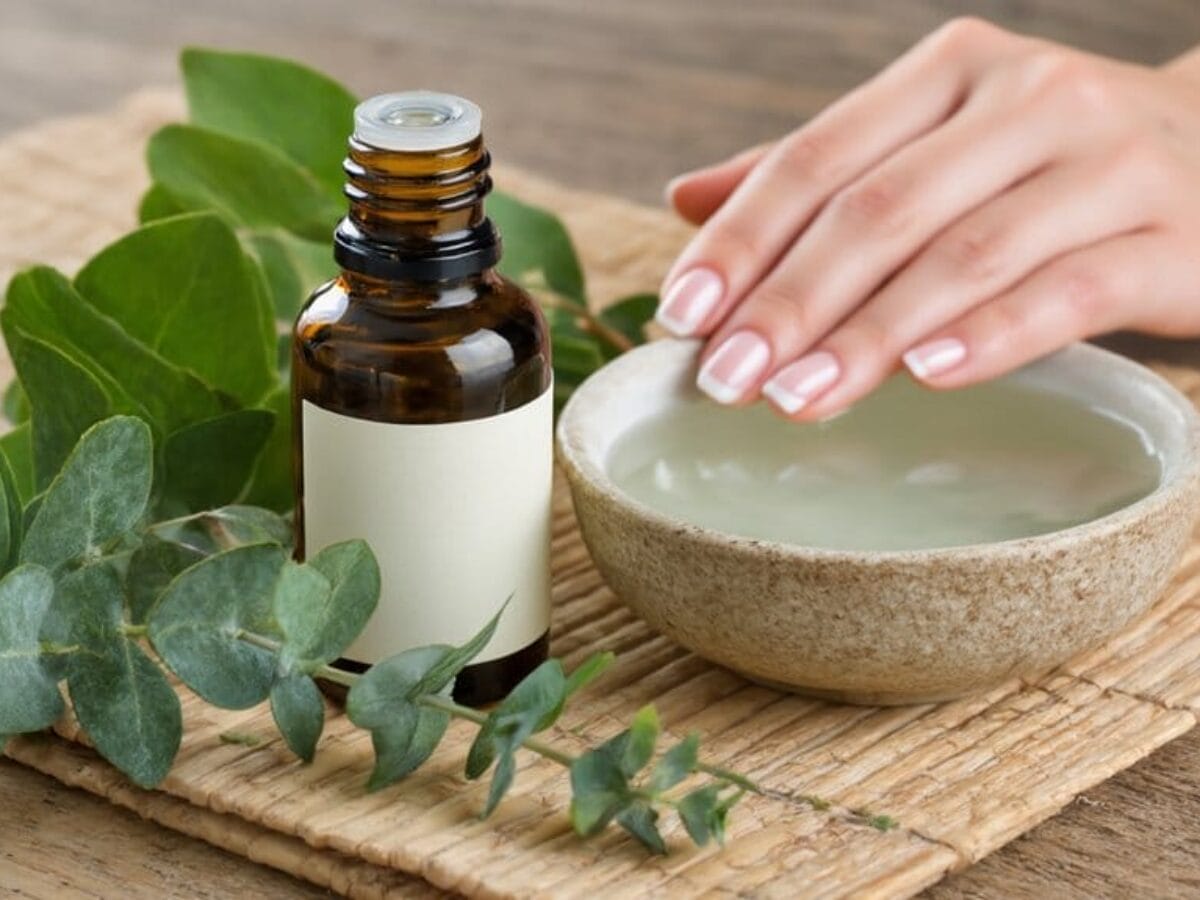
Start by diluting a few drops of tea tree oil with a carrier oil, like coconut or olive oil. This makes it safer and more effective. Use a dropper or cotton swab to apply the diluted oil directly to the affected nail.
For a relaxing treatment, consider foot soaks—mix five drops of tea tree oil with half an ounce of carrier oil in warm water and soak for 20 minutes.
Be consistent; daily application is key. You won’t see results overnight, but with patience, you’ll be on the road to healthier nails.
Your fungi-fighting journey starts with the right application!
Safety Considerations and Possible Side Effects
While tea tree oil can be a powerful ally against nail fungus, it’s important to be aware of potential side effects.
You might experience some redness, itchiness, or mild stinging at the application site, which can be a bit annoying.
Plus, there’s a risk of allergic reactions, so it’s wise to do a patch test before making it a regular part of your routine.
Common Side Effects
When you start incorporating tea tree oil into your nail fungus treatment routine, it’s essential to be aware of potential side effects that might occur.
While tea tree oil is generally safe when diluted properly, some common side effects include:
- Redness: You might notice some irritation at the application site, especially if the oil isn’t diluted enough.
- Itchiness: A mild itch can occur, prompting you to check if your skin’s reacting to the oil.
- Mild Stinging: Some users experience a slight sting, but it usually fades quickly.
Allergic Reactions Risk
Allergic reactions to tea tree oil can occur in some individuals, so it’s important to approach its use with caution.
While many people enjoy its antifungal benefits, you might experience redness, itching, or mild stinging when applying it. To stay safe, consider doing a patch test before regular use—just apply a small amount to your skin and wait 24 hours. If you notice any irritation, it’s best to skip it!
Remember, tea tree oil is toxic if ingested, leading to serious issues like confusion and breathing problems. Always dilute it with a carrier oil, like coconut or olive oil, to minimize irritation.
Stay aware, and enjoy your journey to healthier nails with this natural remedy!
The Benefits of Combination Therapies
Combining tea tree oil with other antifungal agents can greatly enhance your chances of overcoming stubborn nail fungus.
When you use tea tree oil alongside other treatments, you can benefit in several ways:
- Increased Effectiveness: Blending tea tree oil with antifungal creams, like butenafine hydrochloride, can lead to markedly higher cure rates.
- Broader Coverage: Pairing it with oils like oregano or vitamin E may target multiple fungal strains, making your treatment more robust.
- Enhanced Absorption: Using a carrier oil, such as coconut oil, not only dilutes tea tree oil but also adds its own antifungal properties, boosting overall effectiveness.
Limitations of Tea Tree Oil for Nail Fungus
While combining tea tree oil with other antifungal agents can greatly enhance your treatment for nail fungus, it’s important to recognize that tea tree oil alone has its limitations.
You might find that many studies show limited effectiveness when using it in isolation. Although it can help prevent the spread of fungus, it often doesn’t eliminate it completely. Results can take weeks or even months, which can test your patience!
Plus, in severe cases, tea tree oil isn’t a substitute for prescribed antifungal treatments. So, while it’s a great natural option, relying solely on tea tree oil may leave you feeling frustrated.
Consider combining it with other treatments for better results and don’t hesitate to consult a healthcare professional!
Tips for Maintaining Nail Health and Preventing Recurrence
To keep your nails healthy and prevent the recurrence of fungus, it’s essential to adopt a proactive approach that includes good hygiene and smart lifestyle choices.
Adopting good hygiene and smart lifestyle choices is key to maintaining healthy nails and preventing fungal infections.
Here are three tips to help you maintain nail health:
- Practice Good Hygiene: Wash your hands and feet regularly, and keep your nails clean and dry. Moisture can promote fungal growth, so make sure to thoroughly dry your nails after washing.
- Choose Breathable Footwear: Wear shoes made of breathable materials that allow air circulation, reducing moisture buildup. Avoid tight shoes that can trap moisture and create a breeding ground for fungus.
- Trim and Maintain Your Nails: Regularly trim your nails straight across and file any rough edges to prevent snags. Healthy nails are less prone to infections and fungus.
With these tips, you’ll be on your way to happy, healthy nails!
Frequently Asked Questions
How Long Does It Take to See Results From Tea Tree Oil?
You can expect to see results from tea tree oil in several weeks to months. Consistent daily application is essential, and while some may notice improvement sooner, patience is key for effective treatment.
Can Tea Tree Oil Be Used for Other Types of Fungal Infections?
Yes, you can use tea tree oil for other types of fungal infections, like athlete’s foot or ringworm. Just remember to dilute it properly and apply it consistently for the best results.
Is Tea Tree Oil Safe for Children and Pregnant Women?
Tea tree oil isn’t recommended for children and pregnant women without consulting a healthcare professional first. While it’s generally safe when diluted, potential reactions can occur, so caution is essential for these sensitive groups.
How Often Should Tea Tree Oil Be Applied for Nail Fungus?
You should apply tea tree oil daily for nail fungus. Dilute it with a carrier oil, then use a dropper or cotton swab to apply a few drops directly to the affected area consistently.
Can I Use Tea Tree Oil if I Have Sensitive Skin?
Yes, you can use tea tree oil on sensitive skin, but you should dilute it with a carrier oil first. Always perform a patch test to check for any allergic reactions before regular application.
Final Thoughts
To sum up, tea tree oil is a fantastic natural ally against nail fungus, thanks to its potent antifungal properties. By diluting it with a carrier oil and applying it daily, you can see significant improvements. Remember, combining this treatment with good hygiene and nail care can enhance your results even further. So, embrace this natural remedy and say goodbye to pesky fungi! With a little patience and consistency, you’ll be flaunting healthy nails in no time!